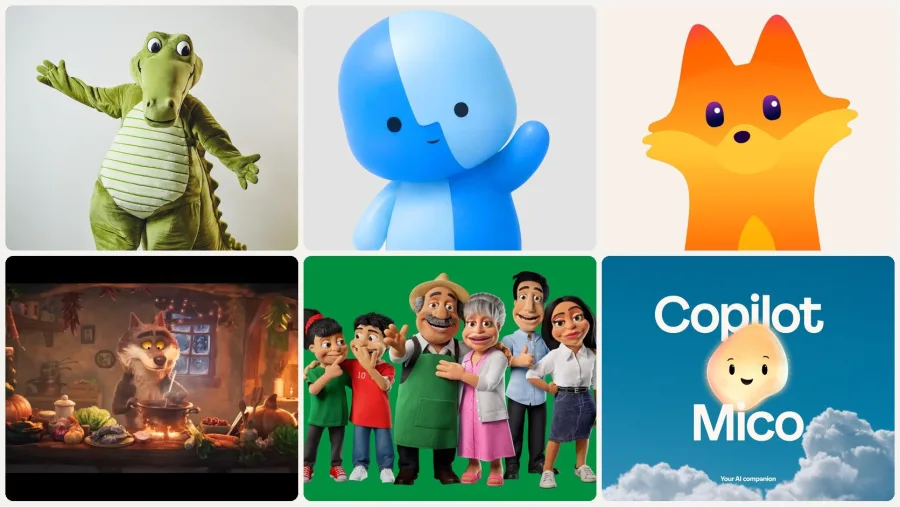
Five years ago, mascots felt like something from a cereal box. Then 2026 happened. Crocs gave its logo a body, Apple turned a tiny Finder icon into a TikTok star, and Burger King fired its King after more than 70 years. Brand mascots are back, and they're doing very different jobs from the ones they used to do.
We looked at the characters that launched, returned or retired across the US, UK, Australia and Europe over the past year. Here are 12 modern examples, what the best ones have in common, and how a smaller business can create a mascot of its own.
Why Brand Mascots Are Back
Three things are pushing characters back into the spotlight.
AI has made a lot of content look the same. When feeds fill up with polished, generic images, a character with a face and a personality stands out. Mozilla was careful to describe its new Firefox mascot as a hand-drawn companion, not an AI assistant.
Social video needs a face. A mascot can star in endless short videos, never ages, never asks for an influencer fee and never causes a scandal. The animation studio BUCK predicted a swing back towards "the good ol' fashioned mascot" for exactly this reason.
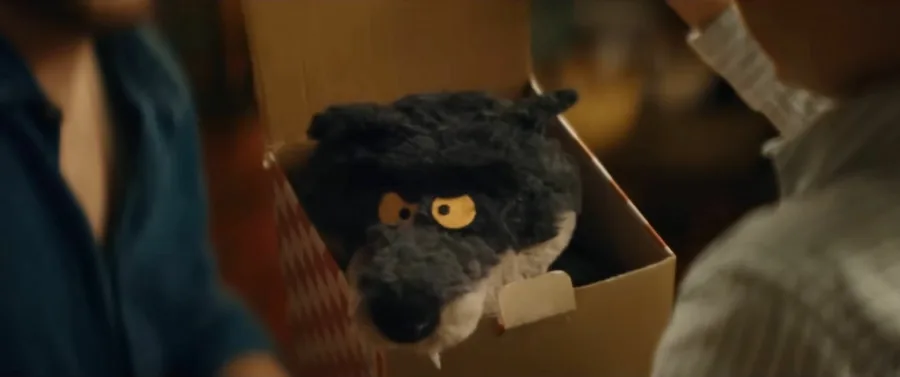
Characters become products. People want to own the characters they love. When Intermarché's Christmas wolf went viral, shoppers asked where to buy the soft toy before there was one to sell.
Not everyone is convinced. Fast Company has accused big tech of "cutewashing", using friendly characters to soften worries about AI and data. That's worth remembering: a mascot can make a brand warmer, but it can't fix a product people don't trust.
12 Modern Brand Mascots and What They Teach Us
New characters
1. Crocs: Niles
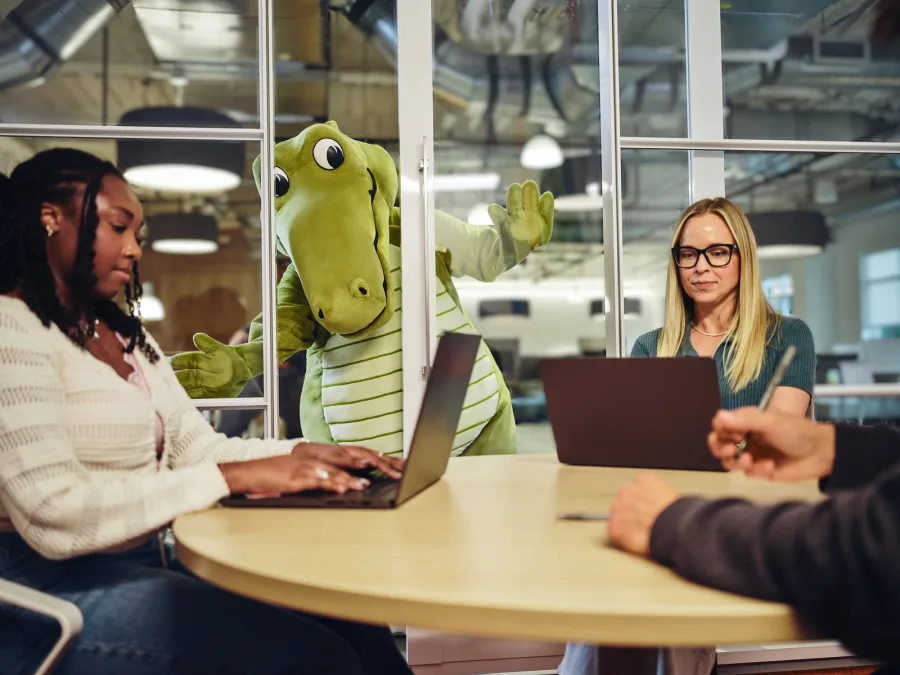
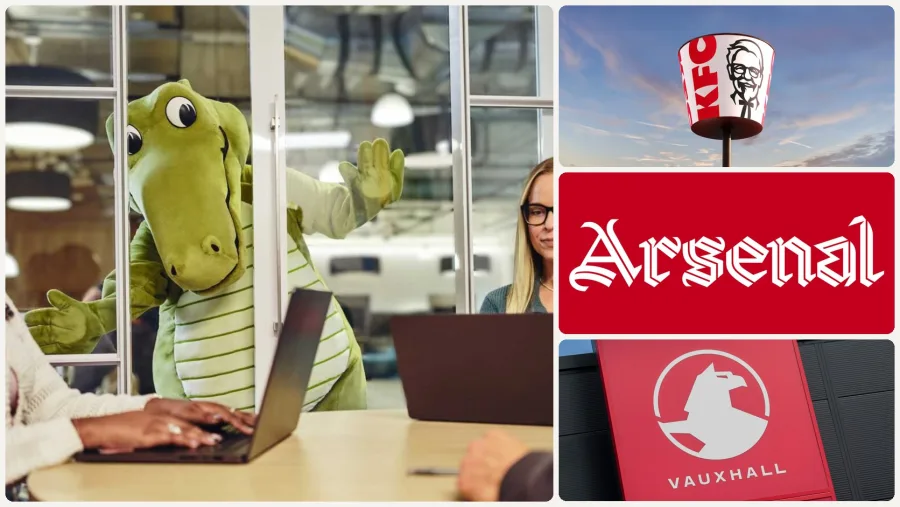
In August 2026, Crocs introduced Niles, its first official mascot: a six-foot crocodile taken from the little croc on the rivet of every clog. Crocs teased him for weeks with hidden "Easter eggs", then revealed him with a live hatching on social media. He now stars in social-first episodes that feel more like a sitcom than an ad.
The official announcement called Niles a "long-term investment in scalable intellectual property", timed for the brand's 25th anniversary in 2027.
Lesson: the best mascots grow out of something customers already recognize.
2. Apple: Lil' Finder Guy
Apple rarely does mascots, which is why this one caused such a stir. In early 2026, a small, rounded version of the classic Finder face started appearing in Apple's TikTok videos for the MacBook Neo. By WWDC in June, developers were getting official Lil' Finder Guy pins. Apple still hasn't explained what he's for.
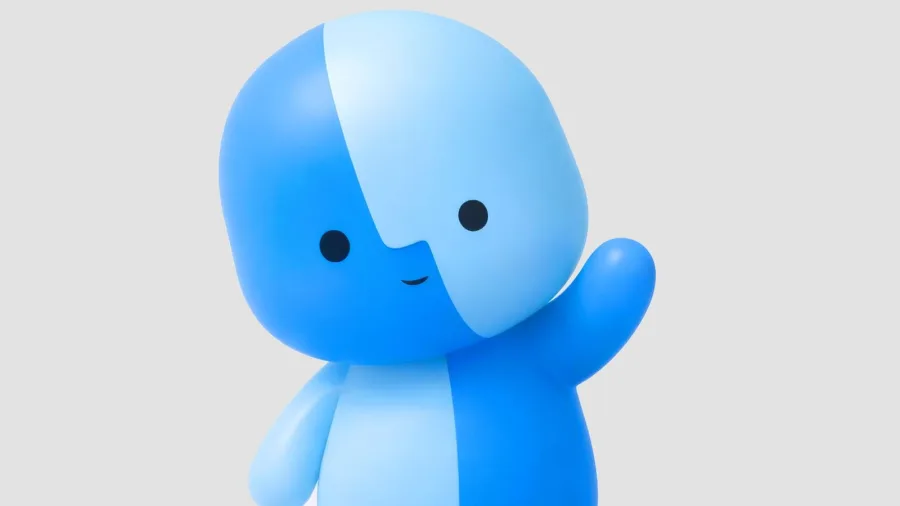
Lesson: a character can make a premium, serious brand feel friendly without changing the logo at all.
3. Stanley: Stan
Stanley's "All Build. No Bull." campaign, launched in August 2026, is led by Stan, a wisecracking toolbox who mocks overengineered gadgets and marketing nonsense. His catchphrase: "If it sounds like bull, it usually is." The campaign runs across North America, Europe, Australia and New Zealand.
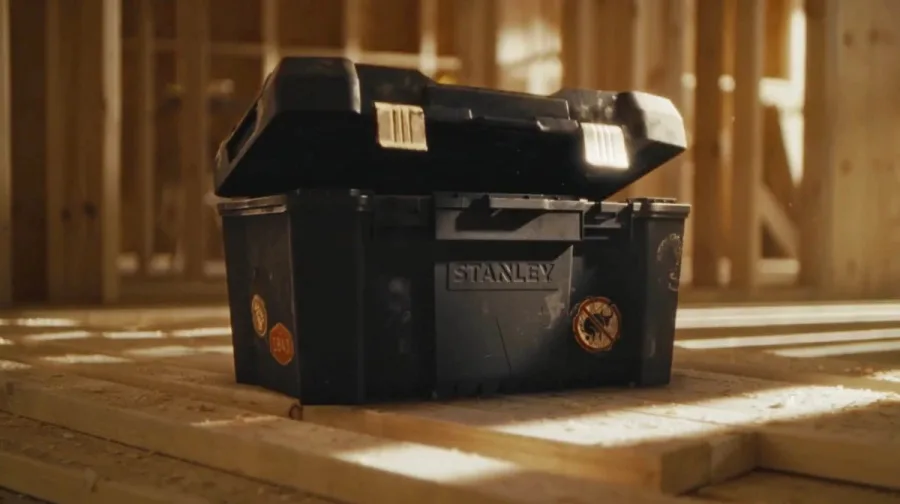
Lesson: a mascot can carry a brand's point of view, not just its looks.
4. Firefox: Kit
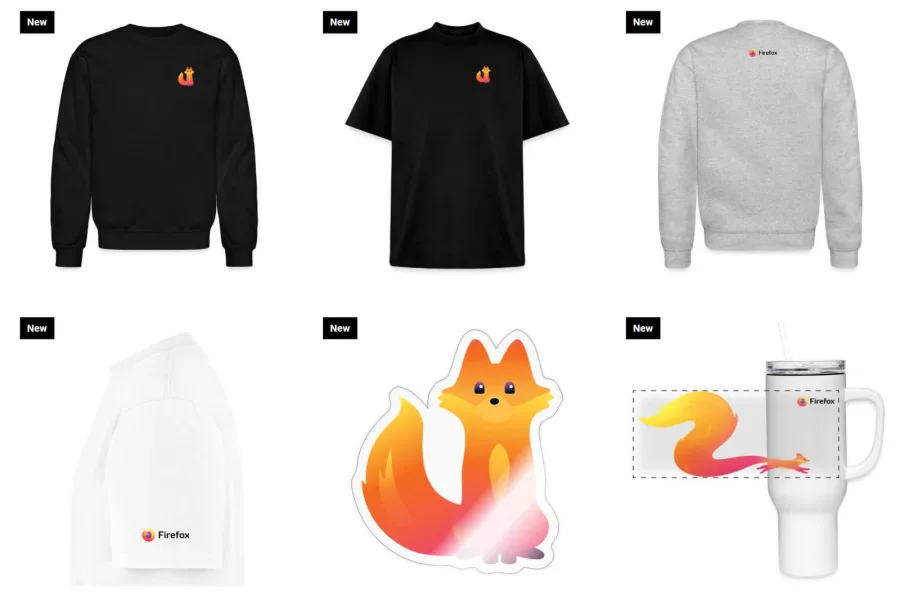
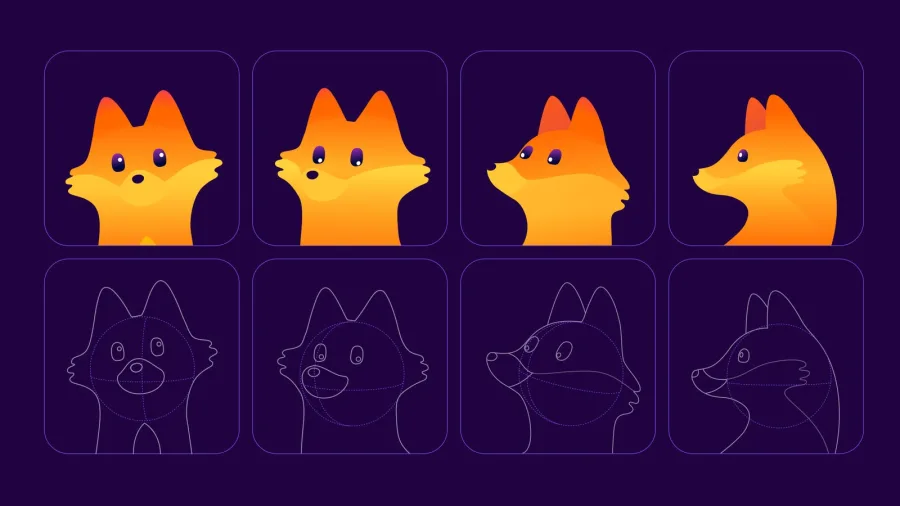
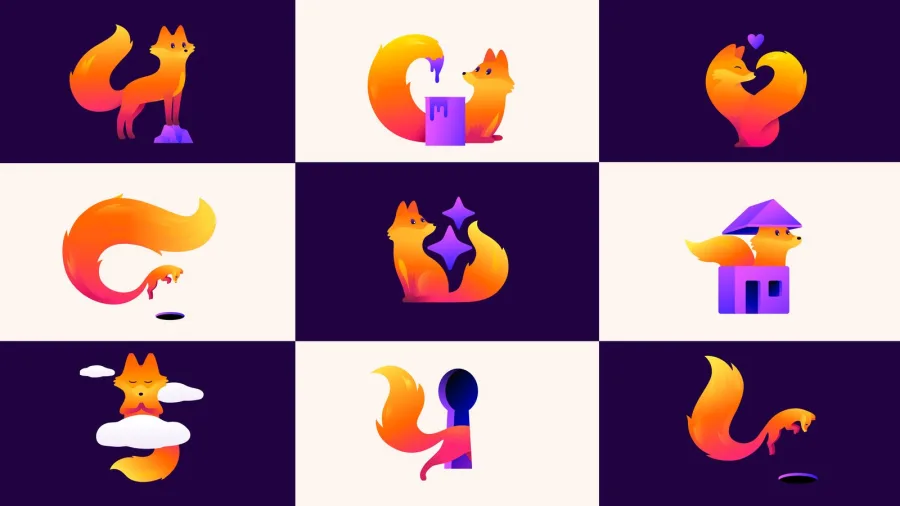
Mozilla and the agency JKR gave Firefox its first mascot in late 2025: Kit, a cross between a fox and a red panda, drawn from the proportions of the Firefox logo. Kit has no mouth, so it shows emotion through its eyes, posture and tail. It appears during onboarding and after small wins, and it already has its own merchandise. The logo itself didn't change.
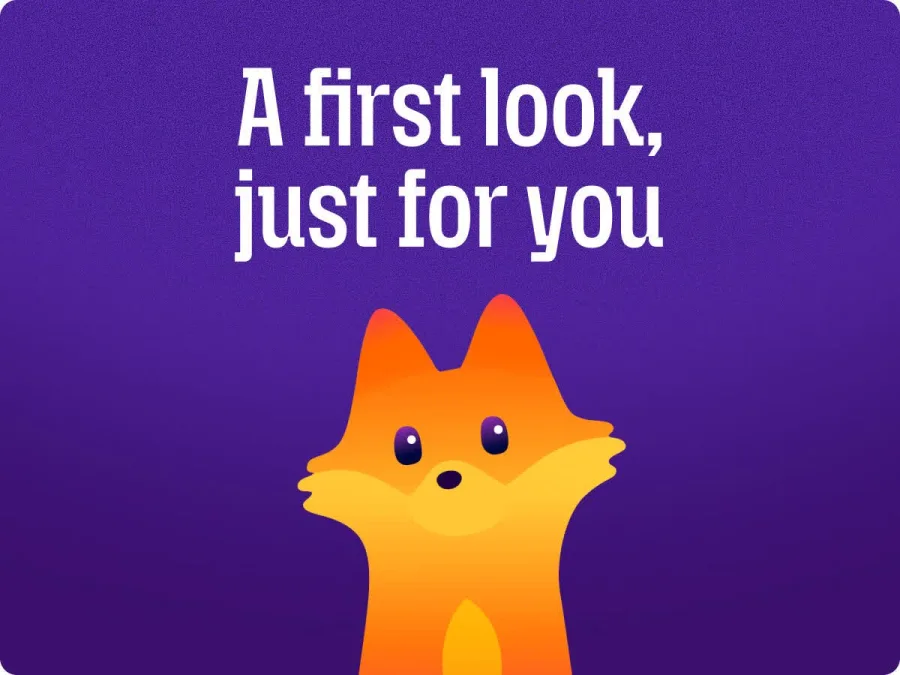
Lesson: a mascot can add warmth to a product without replacing the brand mark people trust.
5. Intermarché: the wolf
French supermarket Intermarché's Christmas 2025 ad told the story of a lonely wolf who learns to cook vegetables to make friends. Its CEO said it was viewed around a billion times in a week. The film was made over a year by around 100 people at Illogic Studios, without AI. Demand for a soft toy was so high that Intermarché promised a made-in-France wolf for Christmas 2026.
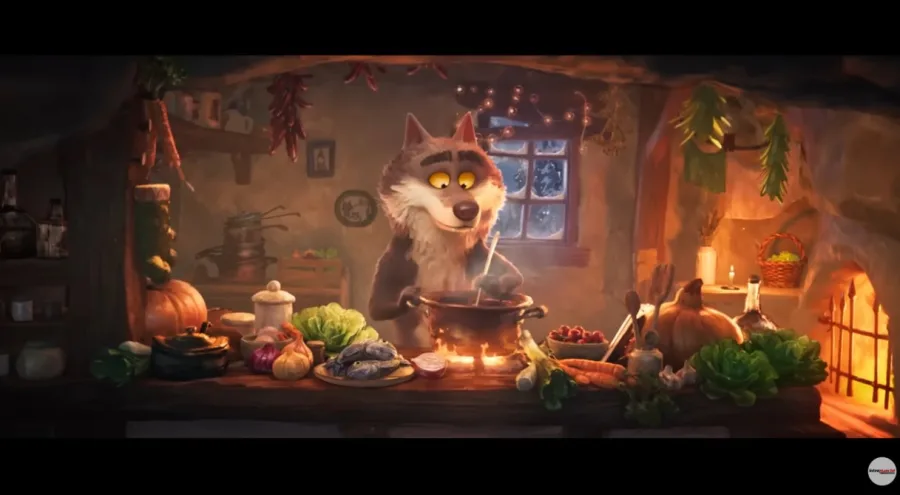
Lesson: craft and story still beat volume. People share characters they care about.
Old characters, refreshed
6. KFC: the Colonel
KFC's "Bucketverse" identity by JKR, launched in June 2026, gave Colonel Sanders a warmer, more human look and made the bucket the center of everything. The rollout starts in the UK and Ireland. It's a reminder that one of the world's oldest brand mascots can still be updated without losing what people love about him.
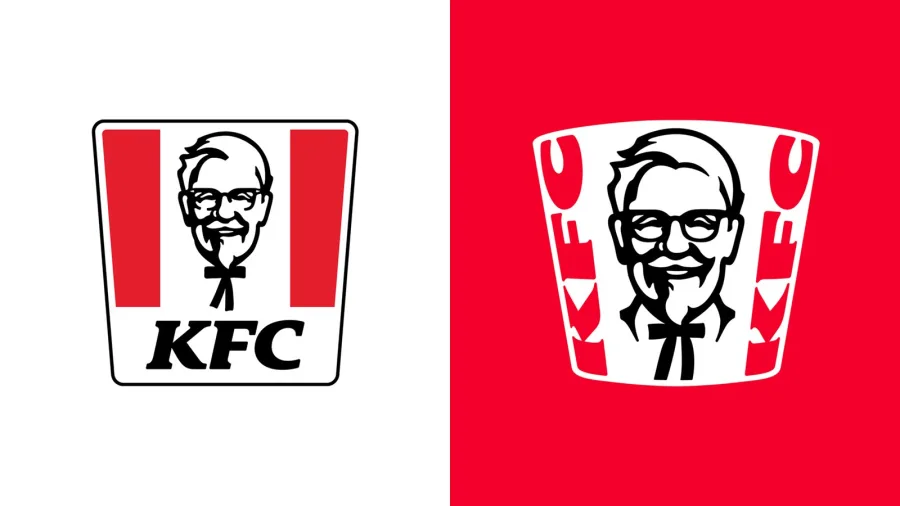
Lesson: if you already have a character, refresh it before you replace it.
7. Dolmio: the puppet family
The Dolmio puppet family, created in Sydney in 2003, returned to Australian screens in September 2026 after a decade away. They've been rebuilt as 3D characters, and an AI "Puppetiser" lets families turn themselves into Dolmio puppets. The UK celebrated Dolmio's 40th anniversary with the puppets too, though not every critic was won over: one called the comeback not special enough to merit their return.
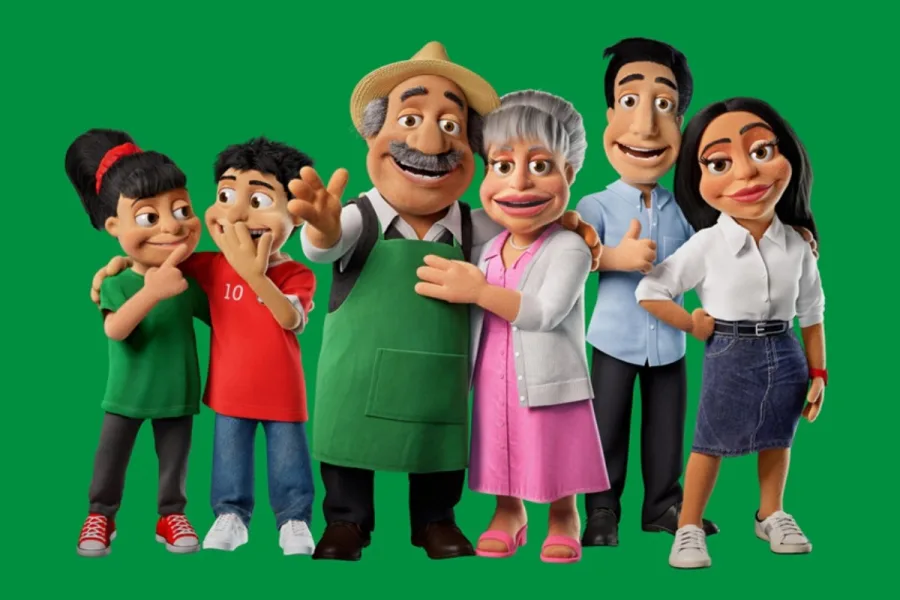
Lesson: nostalgia opens the door, but a returning mascot still needs a fresh idea.
8. Tourism Australia: Ruby the Roo
Ruby, an animated kangaroo, has fronted Tourism Australia's "Come and Say G'day" campaign since 2022. Its second chapter, launched in August 2025, pairs her with familiar faces like Robert Irwin in the US and Nigella Lawson in the UK. The government has put $255 million into the campaign since 2022.
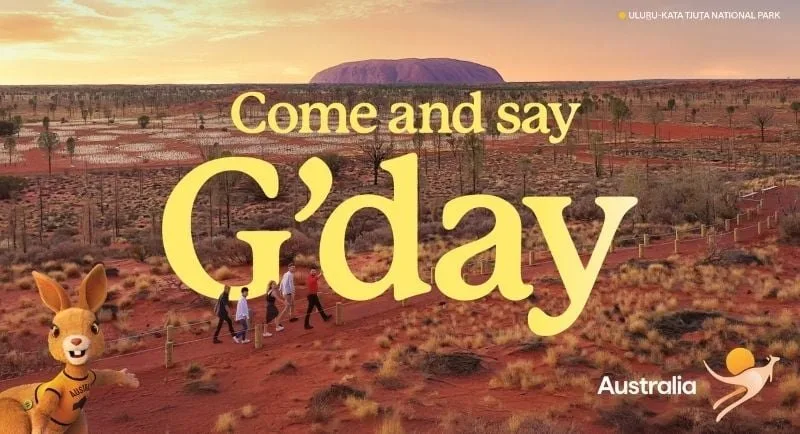
Lesson: a mascot can carry a brand across countries and languages in a way a celebrity can't.
9. Duolingo: Duo
No list of brand mascots is complete without Duo. In February 2025, Duolingo announced that its green owl had been hit by a Cybertruck. The CEO read a eulogy on TikTok, and users "revived" Duo by completing lessons. It worked because the stunt fit Duo's character: the slightly pushy owl who nags you to practice.
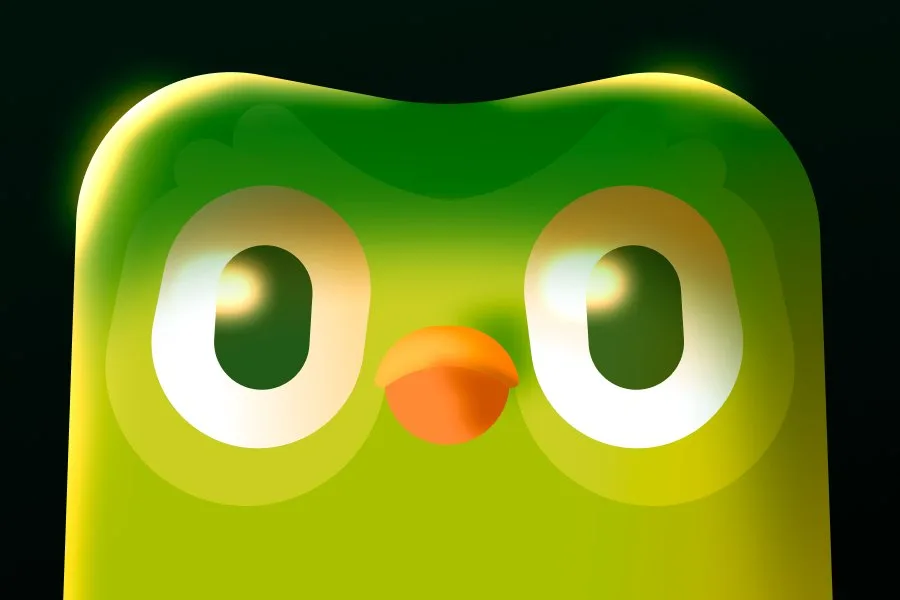
Lesson: give your mascot a clear personality, then let it behave consistently.
A voice instead of a costume
10. Tinder: "T"
Tinder's 2026 rebrand by Porto Rocha introduced "T", a fictional columnist who sets the brand's tone of voice, alongside a sharper flame and the new line "happily TBD". There's no costume and no cartoon, just a consistent, witty voice across the app and campaigns.
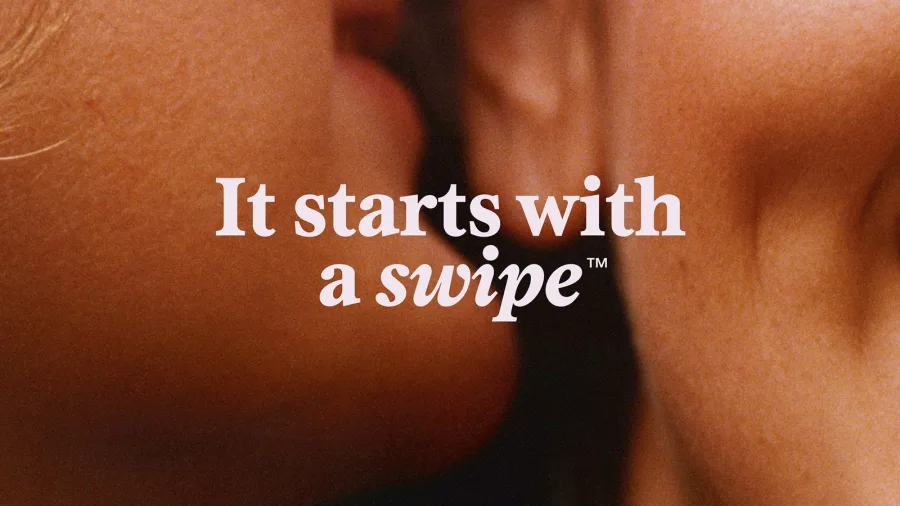
Lesson: a mascot doesn't need a body. A strong persona can do the same job.
When it doesn't work
11. Burger King: the King retires
On March 15, 2026, Burger King retired the King after more than 70 years, including the masked version many people found creepy. The new campaign, "There's a New King and It's You", openly admits past service problems and puts customers at the center instead.
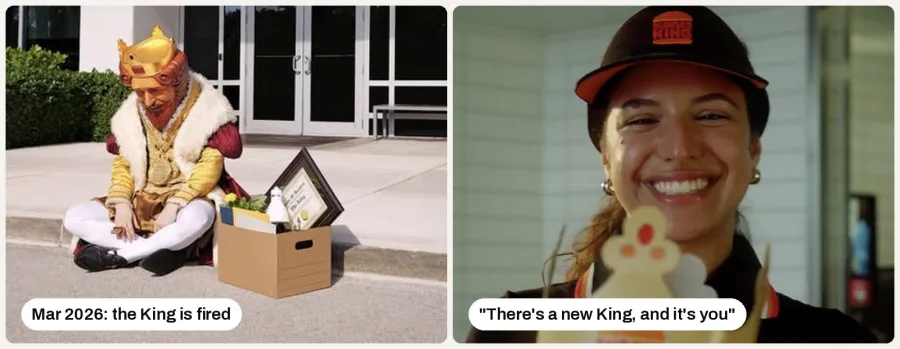
Lesson: when a mascot no longer reflects what the brand stands for, retiring it can be the smartest move.
12. Microsoft: Mico
Microsoft launched Mico, a friendly, color-changing blob, as the face of Copilot's voice mode in October 2025, complete with a hidden Clippy Easter egg. Ten months later, in August 2026, Mico was removed from Copilot Voice as Microsoft merged its Copilot apps, and moved into a smaller role as a tutor. It joins Clippy and Bob in Microsoft's list of retired characters.
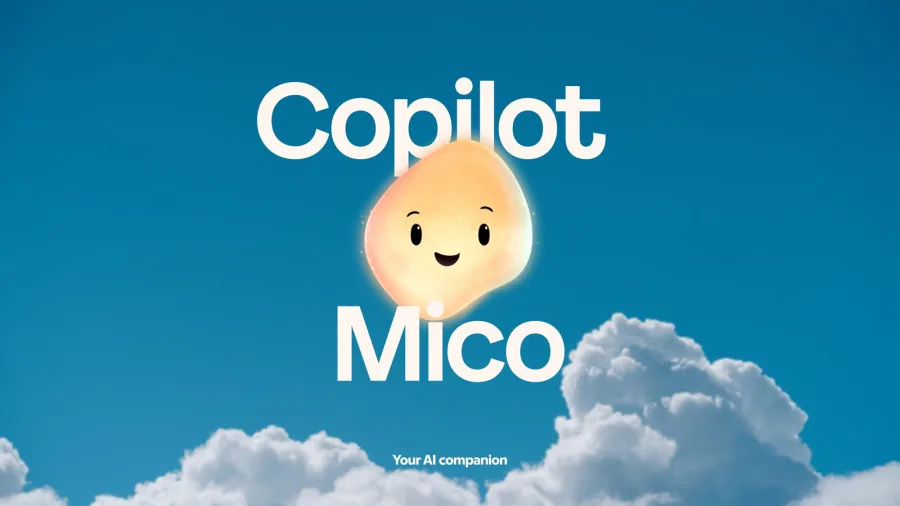
Lesson: a mascot needs long-term commitment. Without a clear role, even a cute one won't last.
What the Best Brand Mascots Have in Common
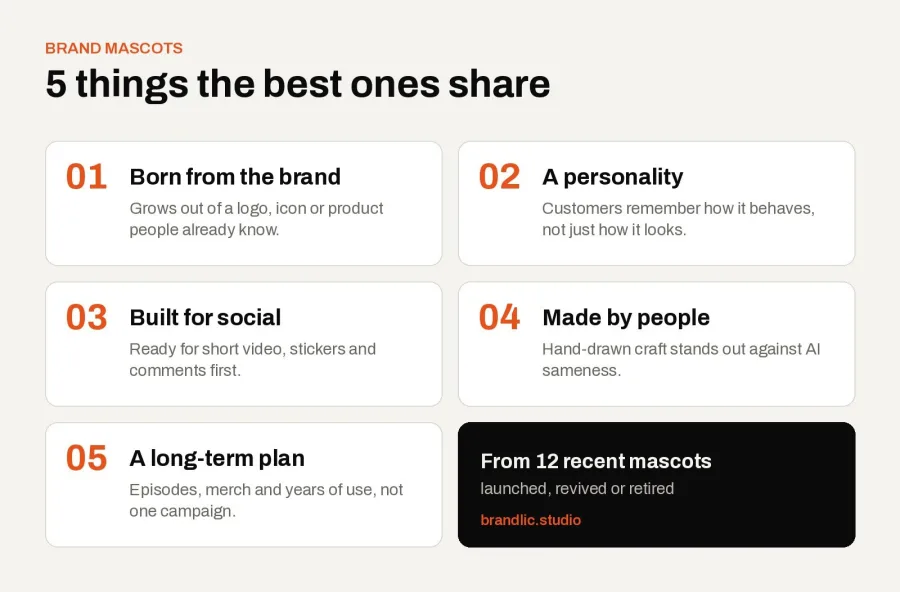
Looking across all 12, the characters that work share five traits:
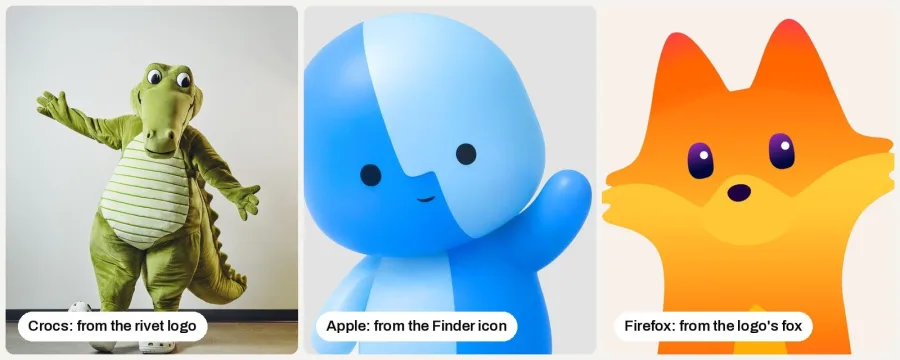
- They grow out of something the brand already owns. Niles came from the rivet logo, Lil' Finder Guy from the Finder icon and Kit from the Firefox logo.
- They have a personality, not just a look. Duo nags, Stan calls out nonsense and T is witty. Customers remember behavior.
- They're built for social video. Most of 2026's new mascots launched on TikTok and Instagram before TV.
- They're made by people. Intermarché's wolf and Firefox's Kit were both proudly made without AI, and audiences noticed.
- They come with a long-term plan. Episodes, merchandise and years of use, not a one-off campaign.
How to Create a Brand Mascot for a Small Business
You don't need a six-foot costume or a global budget. Here's how we approach character-led branding at Brandlic:
- Start with your story. What makes your business different? The character should come from that, not from a trend.
- Look at what you already own. A shape in your logo, your name or your product can often become the character.
- Define the personality first. Write down how it talks and behaves before anyone draws it.
- Keep the design simple. It must work as a tiny icon, on packaging and in animation.
- Plan where it will live. Packaging, signage, social posts and merchandise each need a version.
- Test it before you commit. Show a few rough options to real customers. Ask which one they remember a day later, not which one they like most.
- Give it a job. Decide what the character does for the business: welcome new customers, explain a product, celebrate a milestone. A mascot with a job keeps showing up; a mascot without one quietly disappears.
JKR's character sheet for Firefox's mascot Kit shows why the personality comes first: Kit has no mouth, so every emotion comes through its eyes, posture and tail.
The biggest mistake we see is treating a mascot as decoration. Like Niles or Duo, it should be part of how the brand speaks every day.
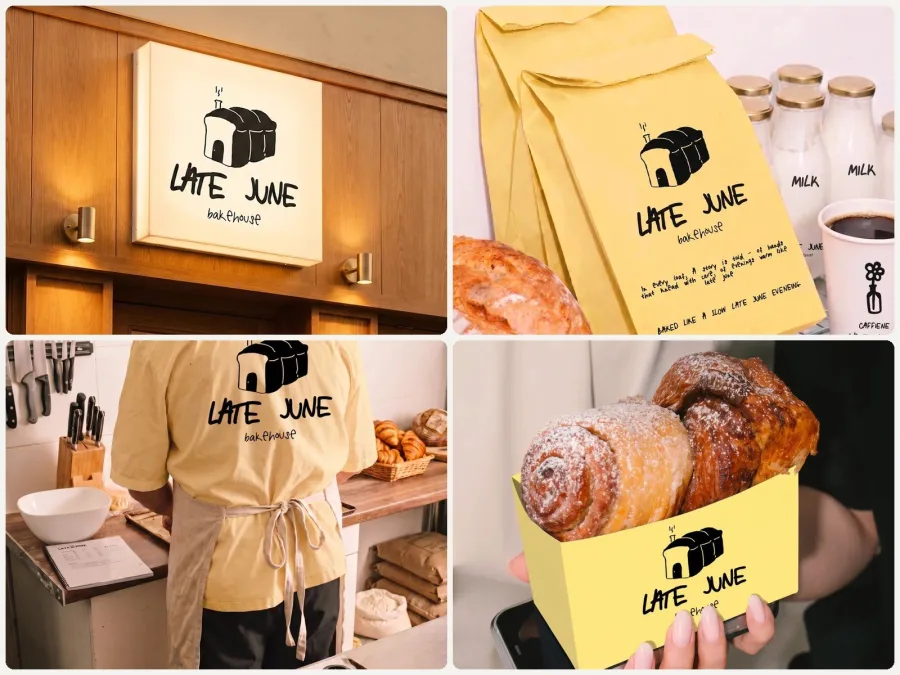
For Late June Bakehouse, we turned a loaf of bread into a little house character. It now appears on the sign, bags, boxes and aprons, and it's the first thing customers remember.
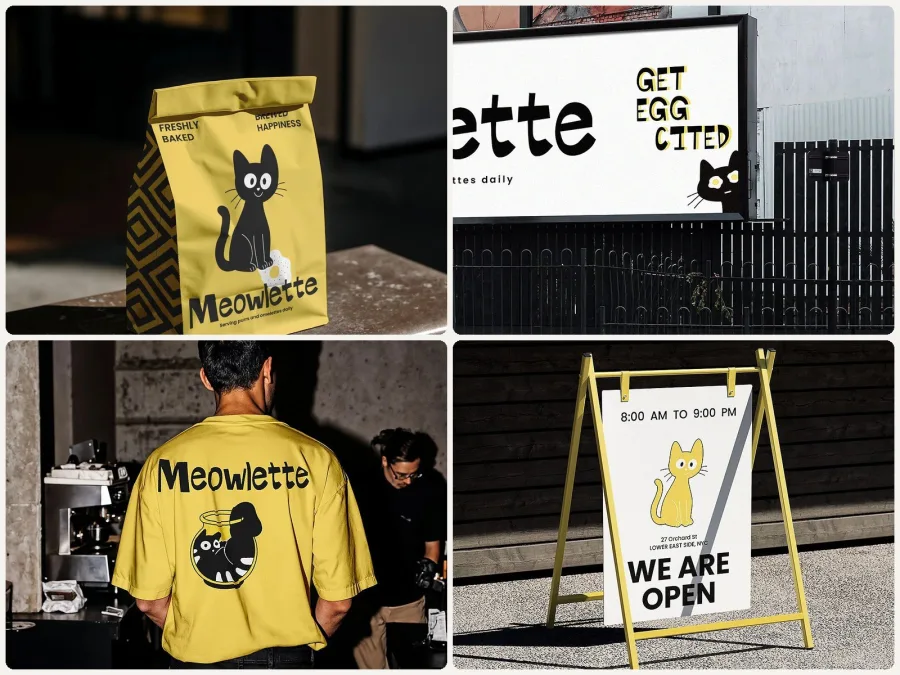
For Meowlette, a breakfast café, a playful black cat became the brand's mascot, peeking out from billboards and sitting on every bag, shirt and sign.
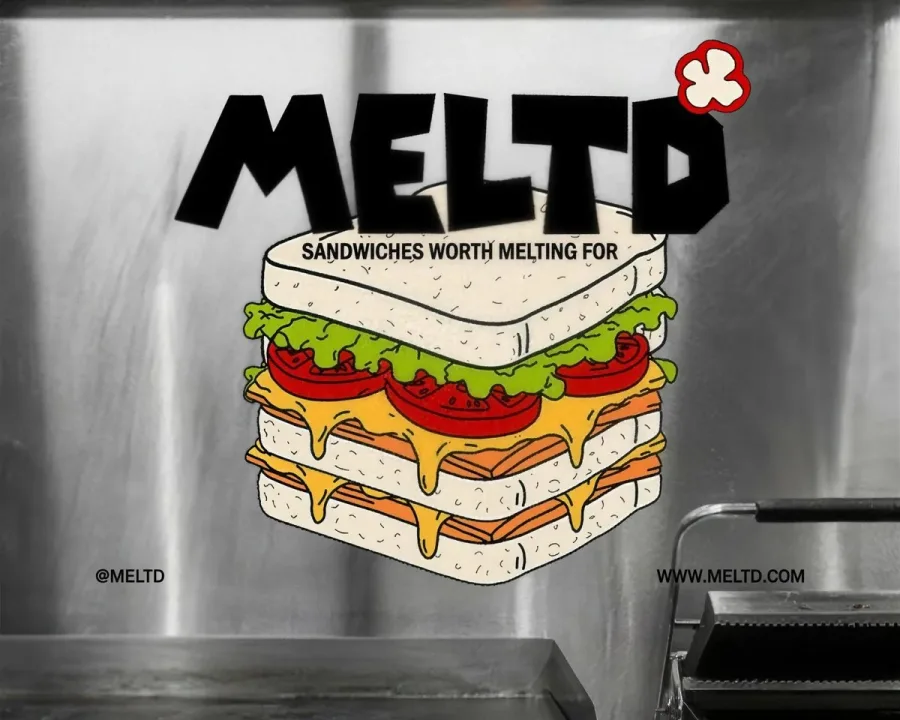
For MELTD, an illustrated sandwich does the job of a mascot. It's not a face, but it gives the brand a character people recognize instantly.
Mascot vs Logo: Do You Need Both?
A logo identifies your business. A mascot gives it a personality and something to say. Every business needs a logo, but not every business needs a mascot. Characters work best for brands that talk directly to consumers, sell to families, live on social media or want merchandise. A law firm probably doesn't need one. A café, a snack brand or an app often benefits.
Firefox shows how the two work together: the fox logo stays the signature, while Kit carries the personality across the browser, campaigns and merchandise.
If you're unsure, start small: a simple illustrated character used on packaging and social posts can grow into a full mascot later. For more on where branding is heading, see our guide to branding trends for 2027.
Frequently Asked Questions
What is a brand mascot?
A brand mascot is a character that represents a business, such as an animal, a person or an object with a personality. It appears in advertising, packaging and social media to make the brand more memorable and human.
Are brand mascots still effective in 2026?
Yes. Brand mascots are having a comeback because they cut through generic content, work well in social video and can become products in their own right. They work best when they have a clear personality and long-term commitment from the brand.
Do small businesses need a mascot?
Not always. A mascot helps consumer brands, cafés, food and drink products and apps stand out. Businesses that sell mainly to other businesses usually get more from a strong logo and visual identity.
Can AI design a brand mascot?
AI can help you explore ideas, but it struggles to create a consistent character that works across packaging, animation and print. The most praised mascots of 2026 were designed by people. For the same question about logos, see our honest guide to AI logo generators vs designers.
How much does a brand mascot cost?
It depends on what you need. A simple illustrated character costs far less than a full system with multiple poses, animation and a physical costume. The biggest factors are how many versions you need and where the character will appear.
Final Thoughts
Brand mascots are back because they do something logos and AI-generated content can't: they give a brand a face, a voice and a reason for people to care. The best ones grow out of what a brand already owns, behave consistently and are built to last.
Thinking about a character for your own brand? Talk to Brandlic about designing a mascot people will remember.
Looking for expert support in branding, design, or packaging? Discover how Brandlic turns creative ideas into powerful brand experiences.
Explore our services →
Comments
Leave a reply
Your email address will not be published. Required fields are marked *