Valentine’s celebrations have concluded, the month progresses rapidly, and the typography landscape has been actively productive. Here’s what captured attention this February.
February’s midpoint has passed. The post-holiday slowdown has officially ended and, judging by this month’s typeface design launches, the creative sector has fully resumed momentum. These releases exude genuine ambition. Bold concepts, meticulous craftsmanship, and numerous narratives that genuinely warrant careful examination.
We’re examining bespoke custom typography for Britain’s treasured animation studio, a significant update to German design history’s pivotal typefaces—a remarkably extraordinary multiscript partnership that evolved from academic work into world-class achievement… and that merely scratches the surface. More broadly, this month’s multilingual breadth deserves recognition. Multiple releases approach language accommodation seriously, transcending standard compliance.
1. Aeonik Soft by CoType Foundry
Aeonik currently serves Revolut, Eurosport, and Alipay, making any family expansion noteworthy. Particularly because Aeonik Soft doesn’t revolutionize its predecessor; it reimagines it.
Gently rounded terminals supersede the original’s precise geometric angles, establishing warmer, more inviting tonality while preserving the neo-grotesque foundation completely intact. It represents nuanced evolution; easily overlooked initially yet immediately perceptible during application.
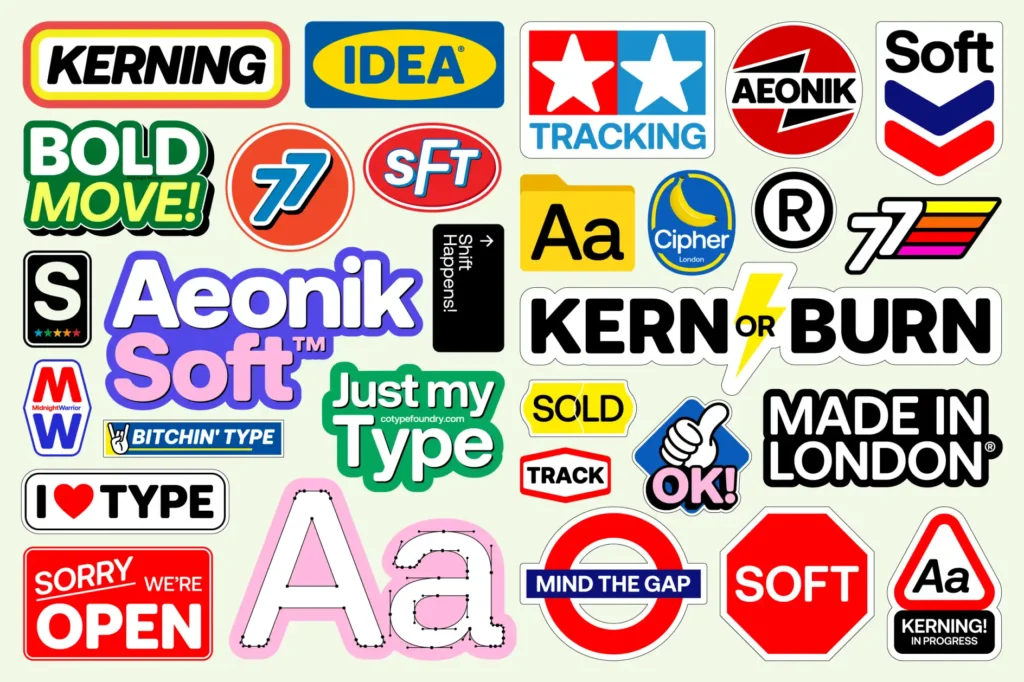
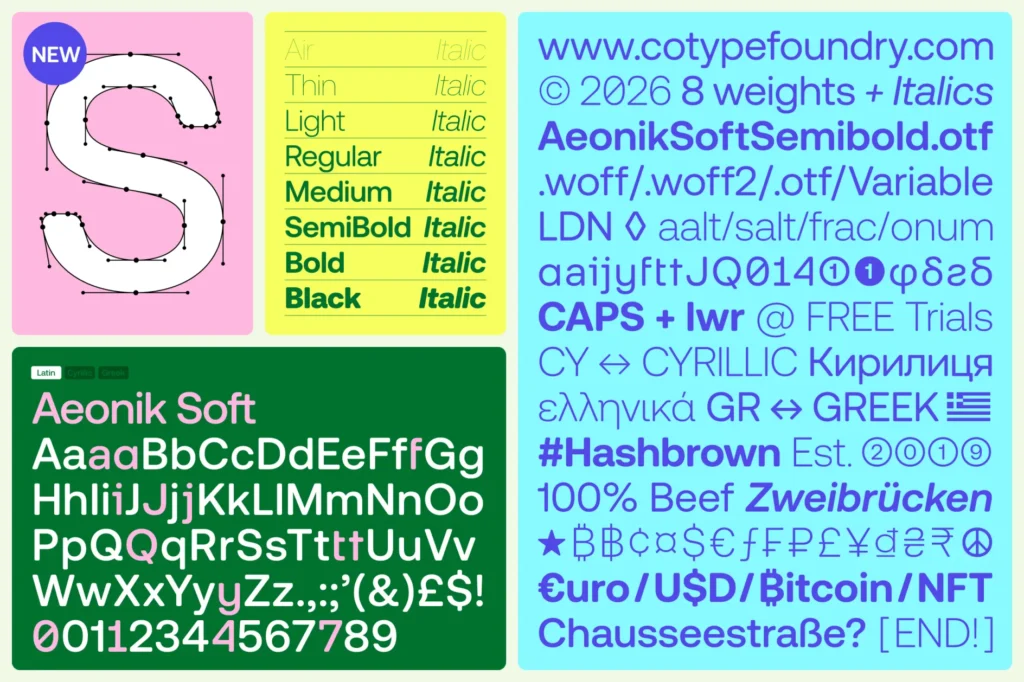
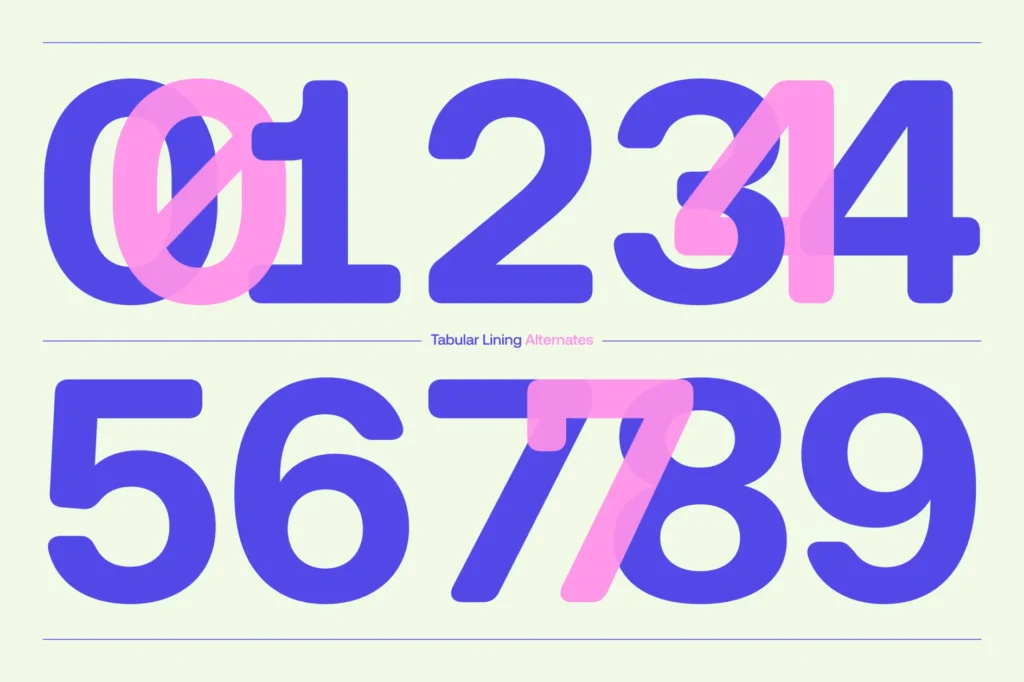
This unlocks contexts the sharper predecessor couldn’t fully address: editorial content, packaging design, children’s materials, and interface design, among others. Eight weights spanning Air through Black, complementary italics, variable font technology, plus Latin, Vietnamese, Cyrillic, and Greek compatibility make this a comprehensively robust addition to an already reliable superfamily.
2. WG Buttered Crumpet by Jamie Clark Type
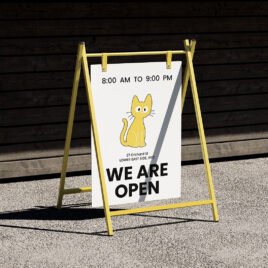
Bristol-based designer Jamie Clark received commission creating bespoke brand typeface for Wallace & Gromit as Studio Griggs’ broader style guide initiative for Aardman. The outcome is Buttered Crumpet, and it’s genuinely charming.
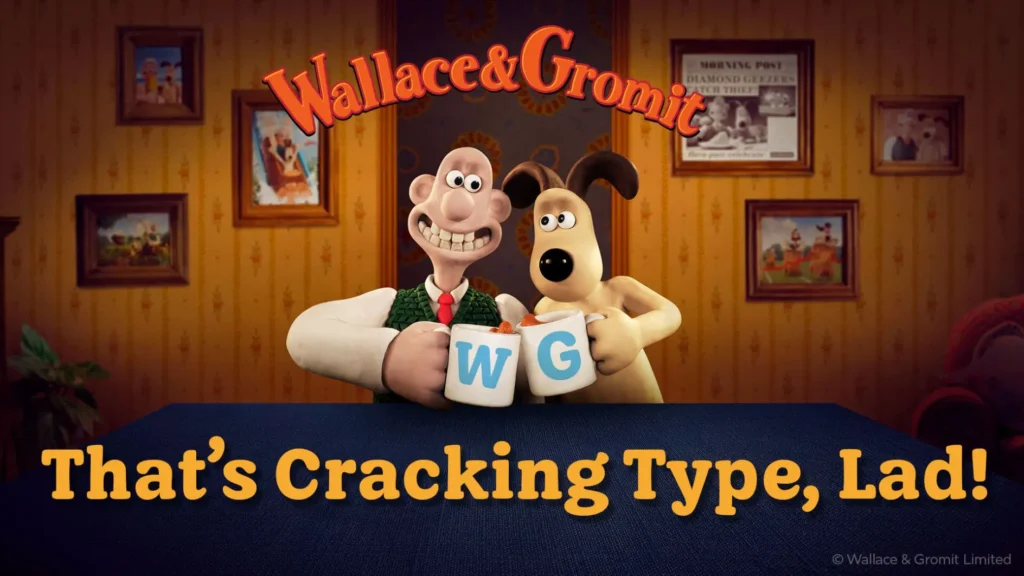
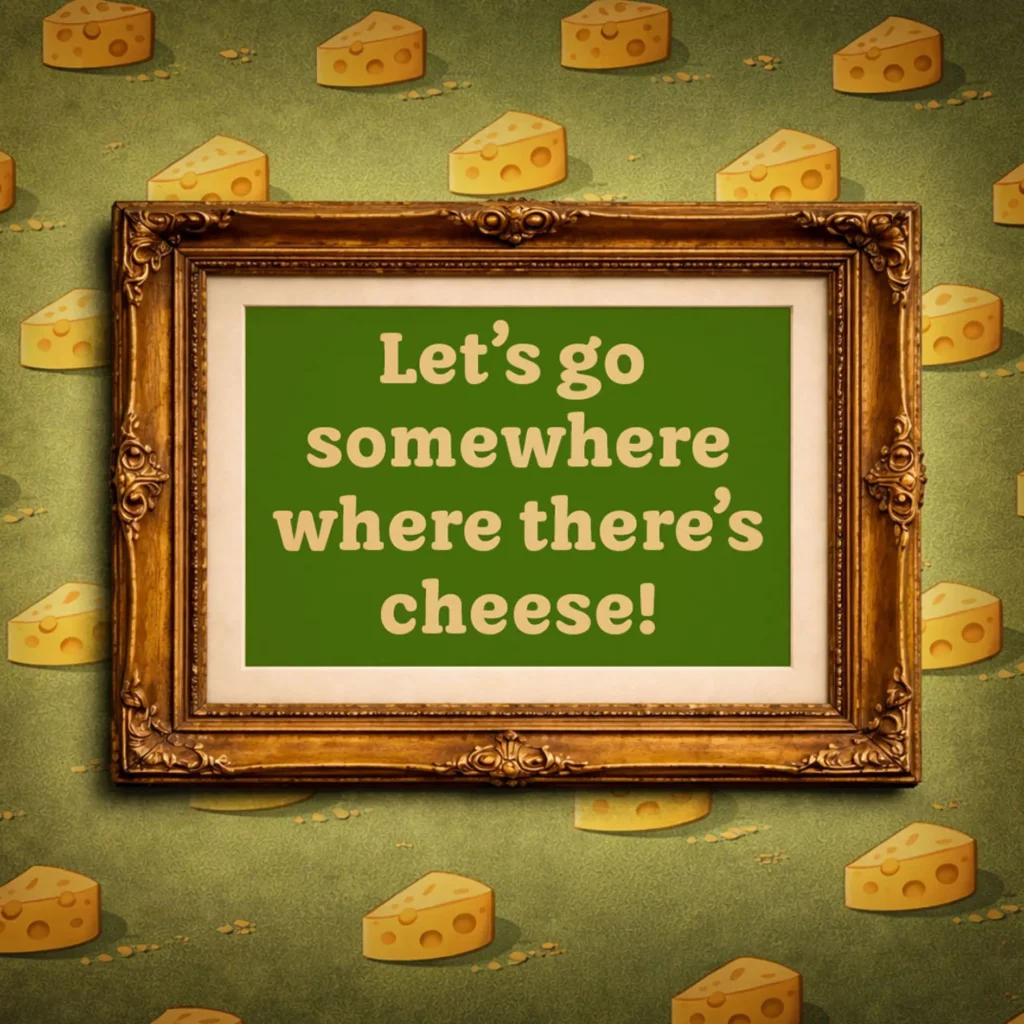
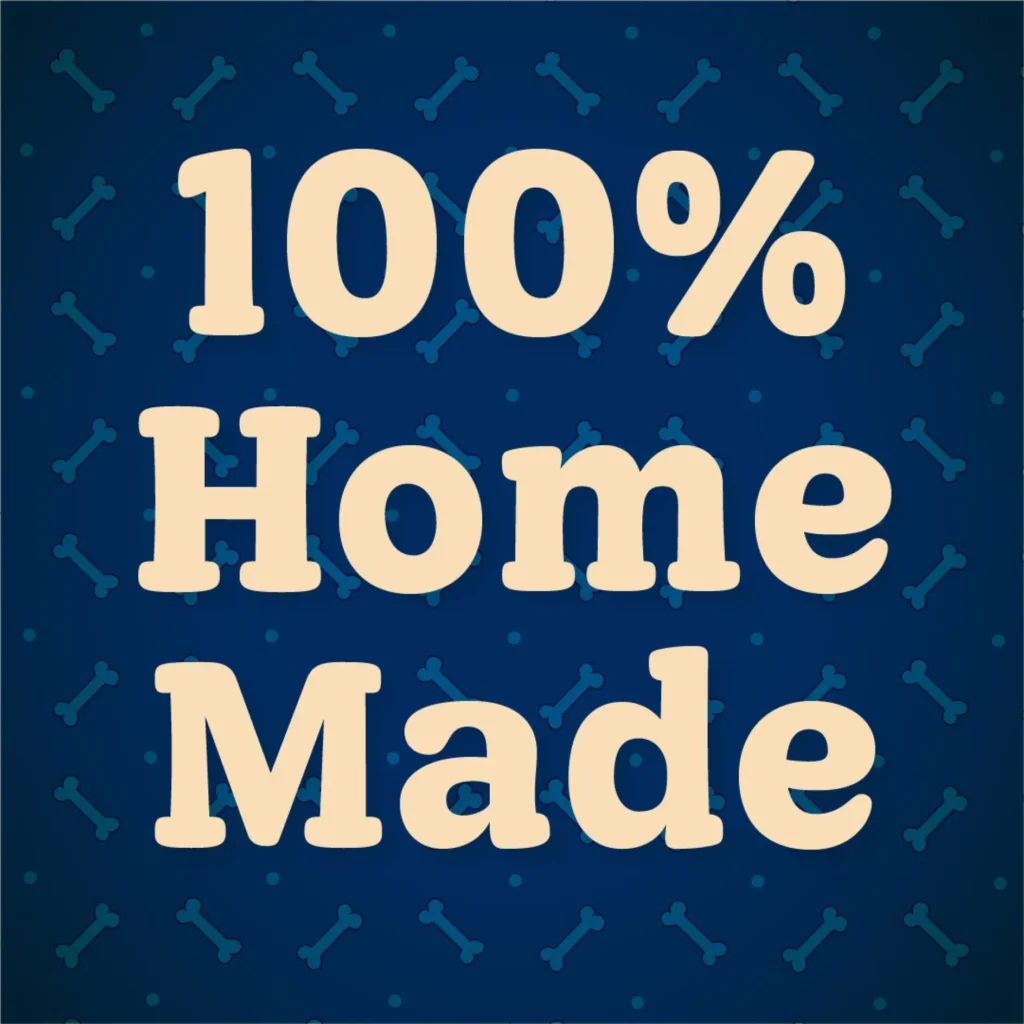
Drawing initial inspiration from Oswald Cooper’s Cooper Black, Jamie developed something gentler and artisanal, featuring serifs sculpted resembling bread loaves (naturally). While representing bespoke commission unavailable commercially, it perfectly exemplifies custom font development executed brilliantly: intentional, distinctive, and profoundly suitable for its context.
3. Neue DIN 2.0 by Andreas Frohloff, Olli Meier, and Hendrik Weber
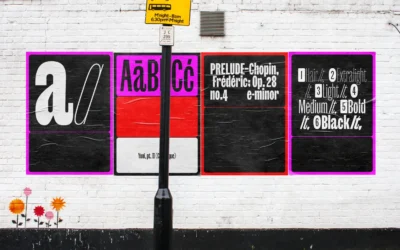
Three years previously, Fontwerk’s Neue DIN secured six prestigious international awards for dramatically extending DIN from XXCondensed through XXWide. Version 2.0 addresses the single remaining gap: italic variants. Beyond standard italics; alongside 81 conventional italic fonts, Fontwerk incorporated 81 left-slanted “Retalic” alternatives for dramatic, high-impact applications, totaling 243 static options. The variable font introduces third axis enabling bidirectional slanting.
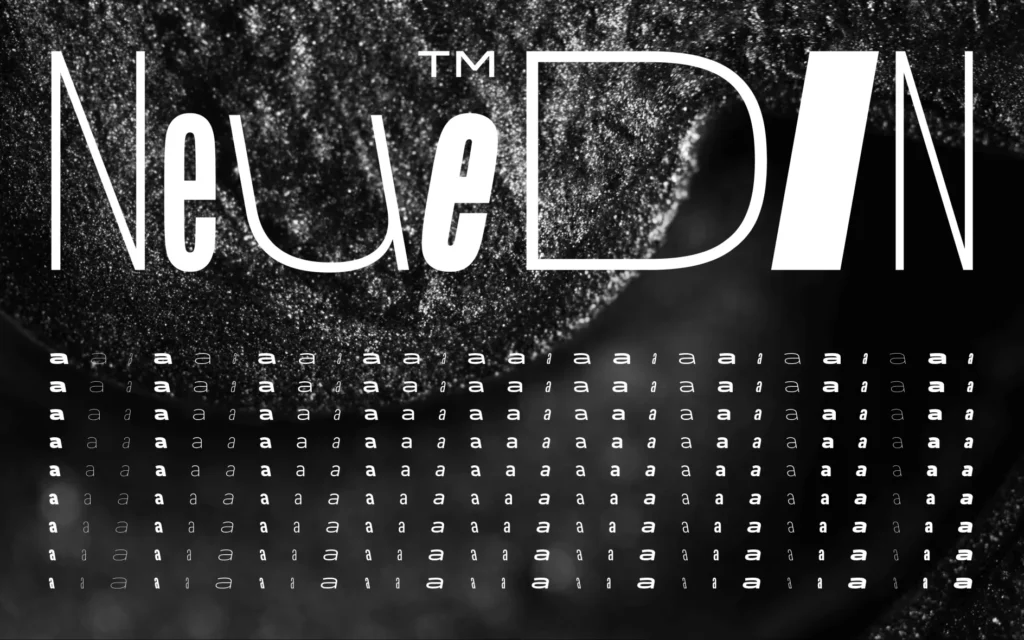
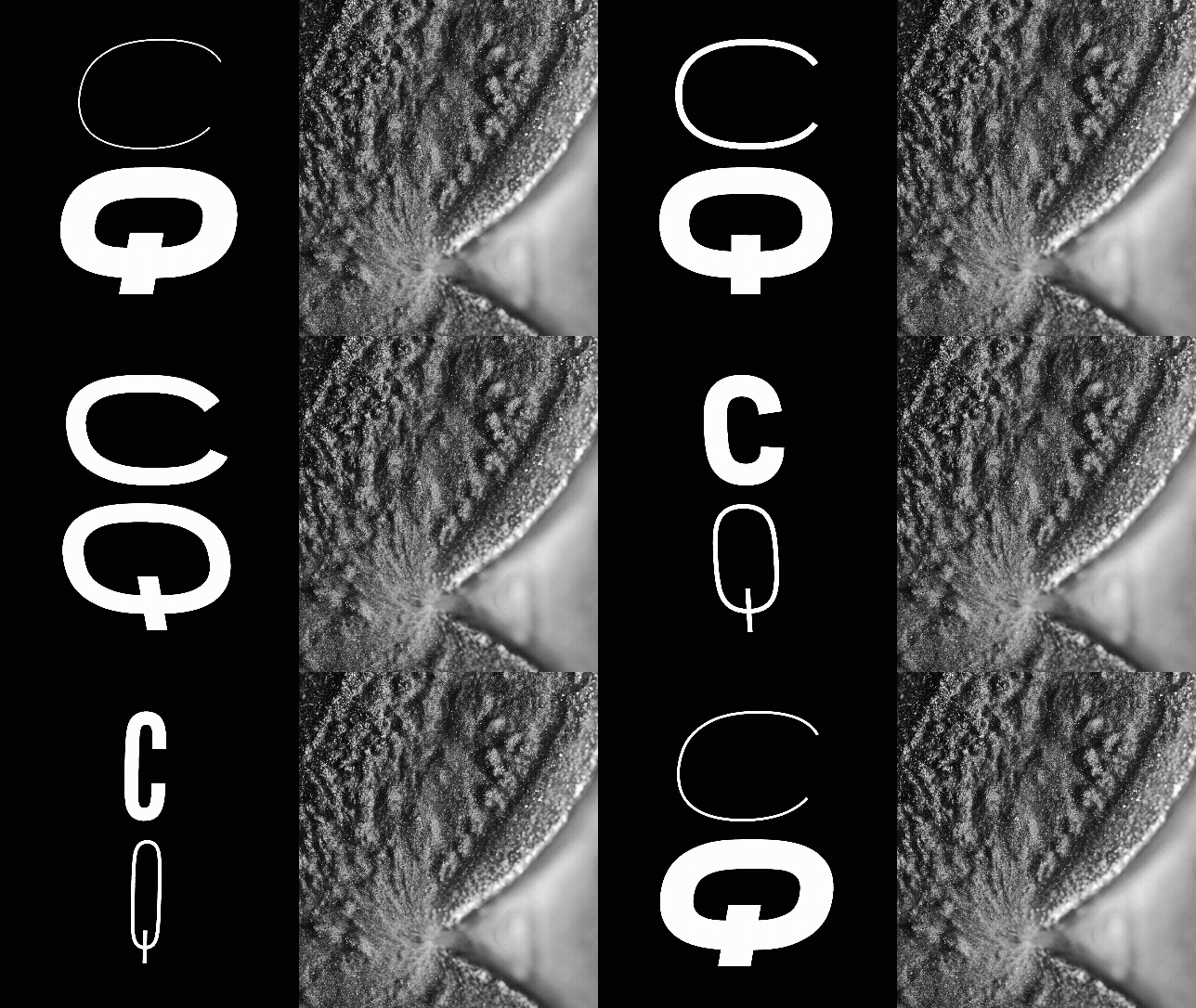
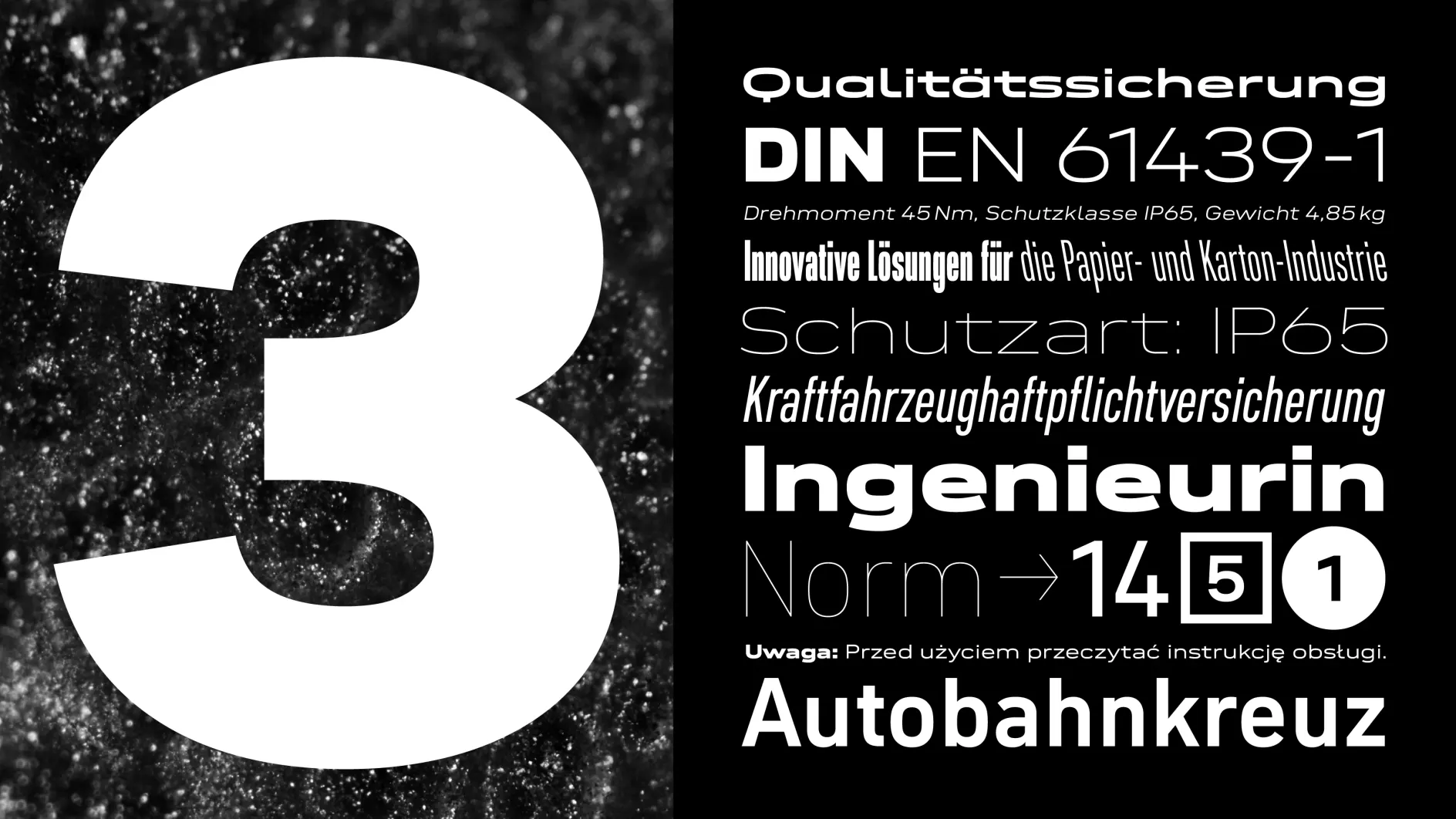
This might appear incremental, yet the scope and execution quality prove anything but. DIN has anchored German public infrastructure for centuries; Neue DIN 2.0 continues honoring that legacy while rendering it genuinely contemporary.
4. 29LT Azahar by Jose Carratalá, Krista Radoeva, and Naïma Ben Ayed
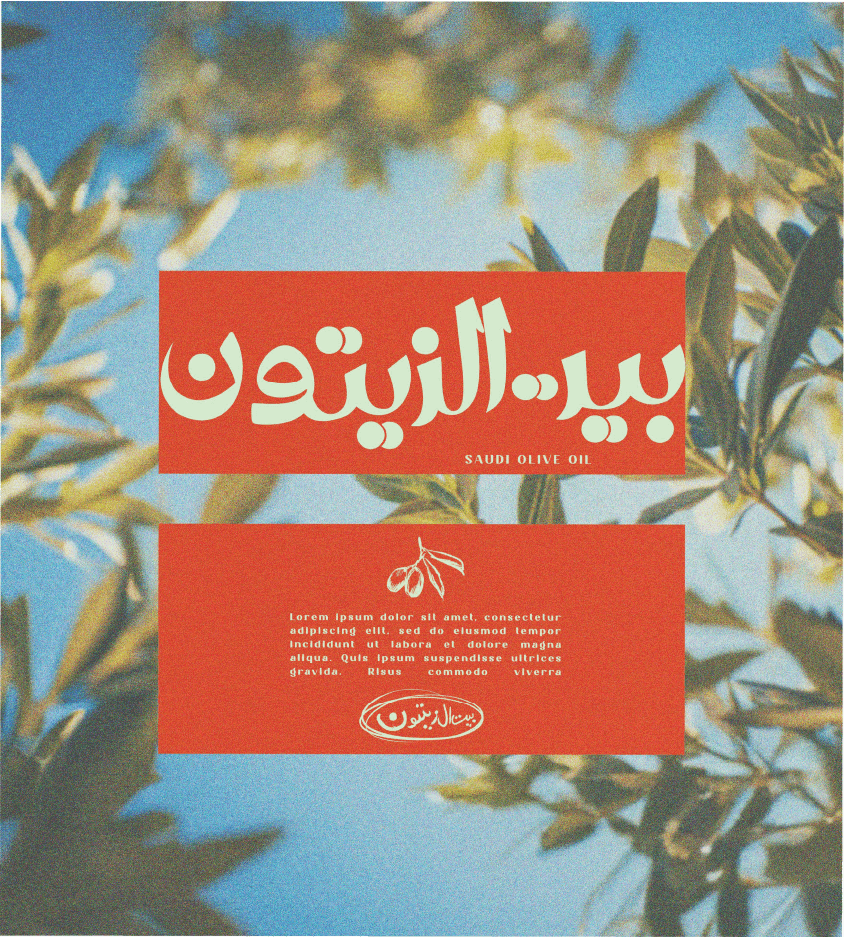
The designation reveals everything: azahar represents Spanish for orange blossom, originating from Arabic الزَّهْرَة (az-zahra). A term bridging dual cultures provides ideal nomenclature for a typeface spanning three scripts. 29LT Azahar represents variable superfamily encompassing Latin, Cyrillic, and Arabic, developed collaboratively with each script receiving equal partnership throughout.
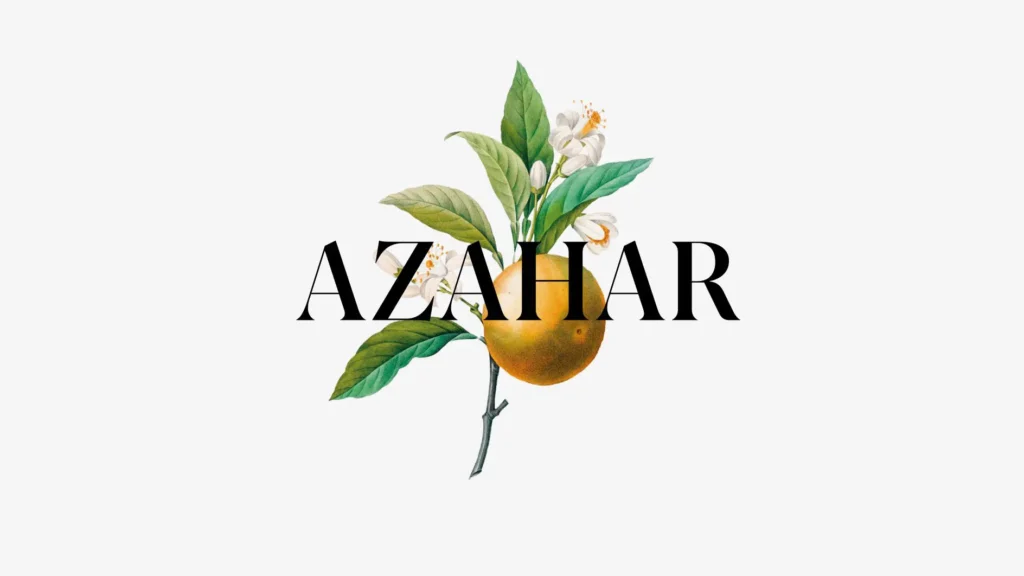
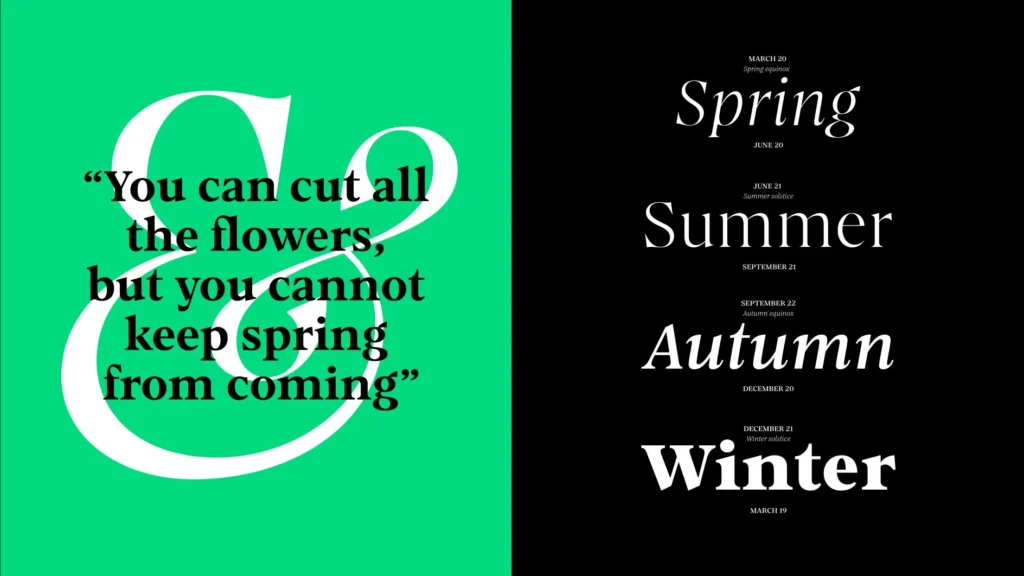
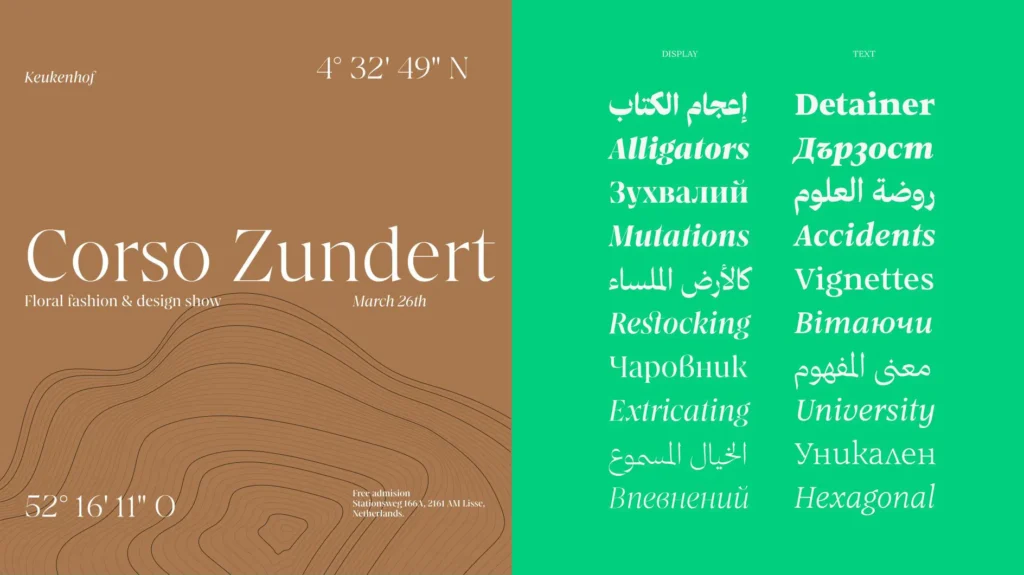
It evolved from Jose Carratalá’s MA thesis at Reading University into considerably more ambitious achievement: shaped by Krista Radoeva handling Cyrillic, Naïma Ben Ayed managing Arabic, and 29Letters founder Pascal Zoghbi supervising the system. The Display version transforms functional text characteristics into stylistic declarations; the Text version delivers warmth and classical proportion. The Latin details merit close examination; triangular terminals referencing stone-carved Roman capitals, unconventional “g” treatment inverting Didone convention.
Collectively, 29LT Azahar constitutes something genuinely exceptional: a multiscript family feeling unified rather than assembled.
5. KTF Prima by Kyiv Type Foundry
KTF Prima represents decade-long development, demonstrating this optimally. Yevgeniy Anfalov initiated it during ECAL studies, inspired by Forma, the warmer-than-typical Italian modernist sans serif from Nebiolo. His response was “universal single style” system, entirely redrawn from foundation without compromises imposed by outdated technology: refined contemporary structure from ultra-thin through ultra-black.
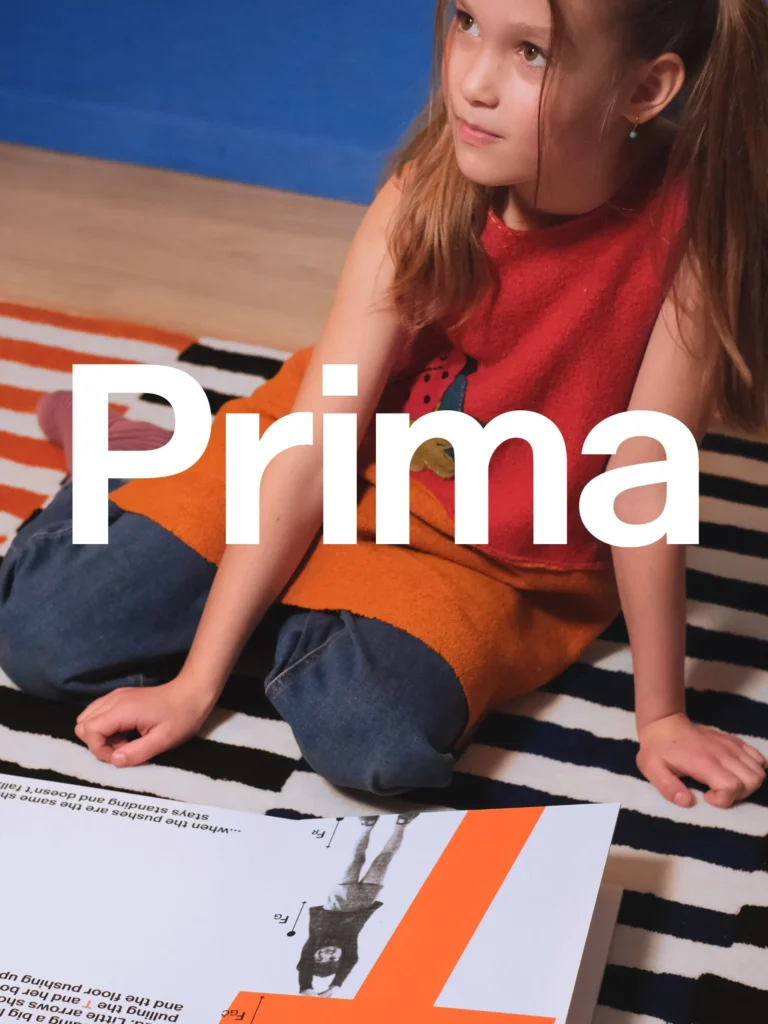
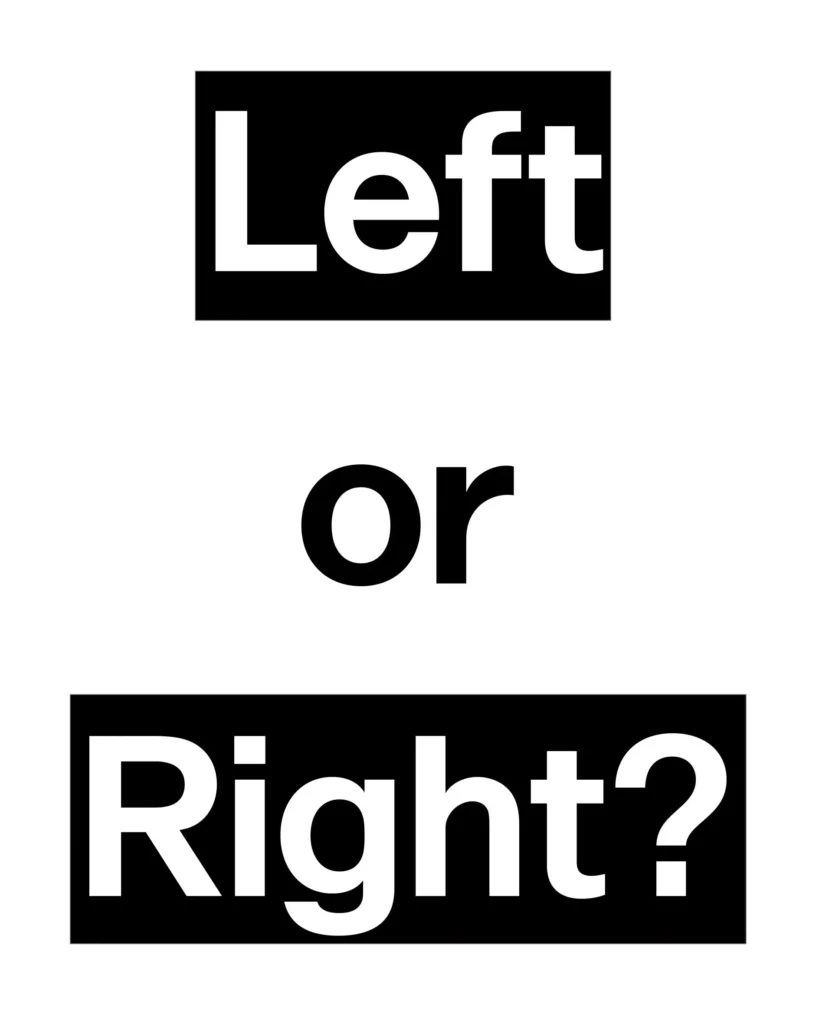
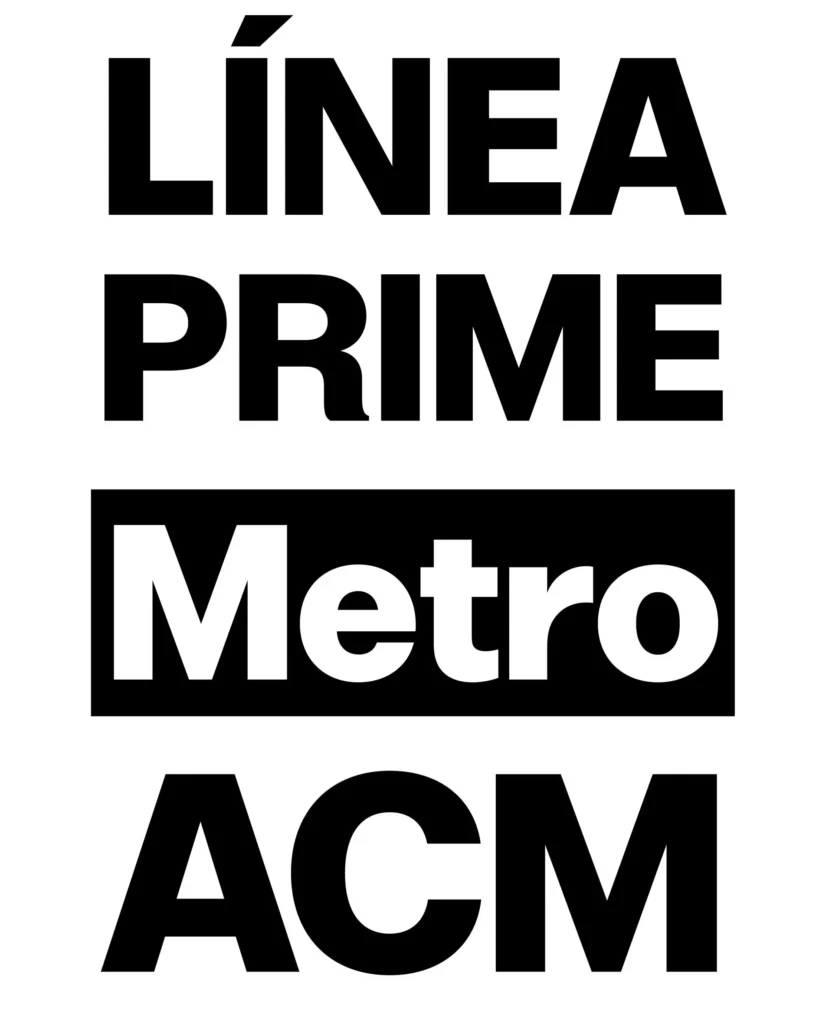
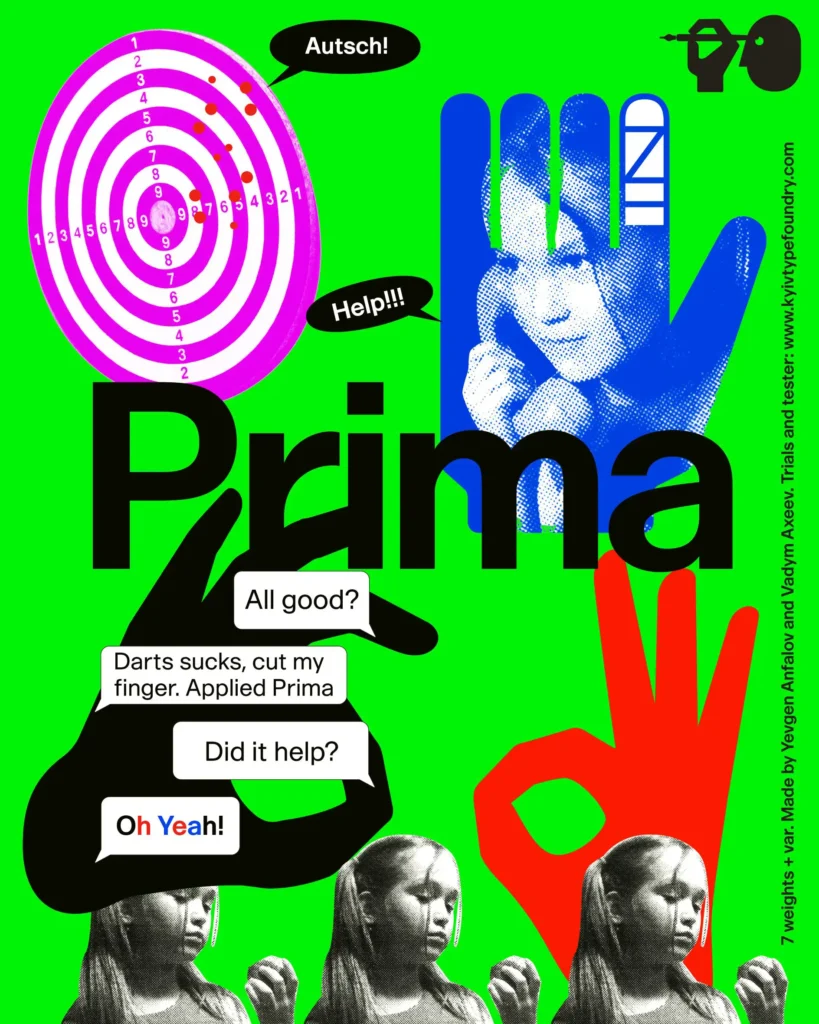
Adaptability stems from inherited proportions and elevated x-height rather than extensive stylistic differentiation; understated in text, assured at display scale, without requiring different fonts per context. The Cyrillic alphabet developed concurrently as organic extension of identical logic. For designers seeking singular, thoroughly considered type system accomplishing everything without complications, this merits investigation.
6. Augure Mono, Duo, and Stereo by Simon Renaud
Simon Renaud’s Augure already possessed compelling visual cadence. These three extensions strengthen that characteristic through rigorous character width system conceived as regulatory grid.
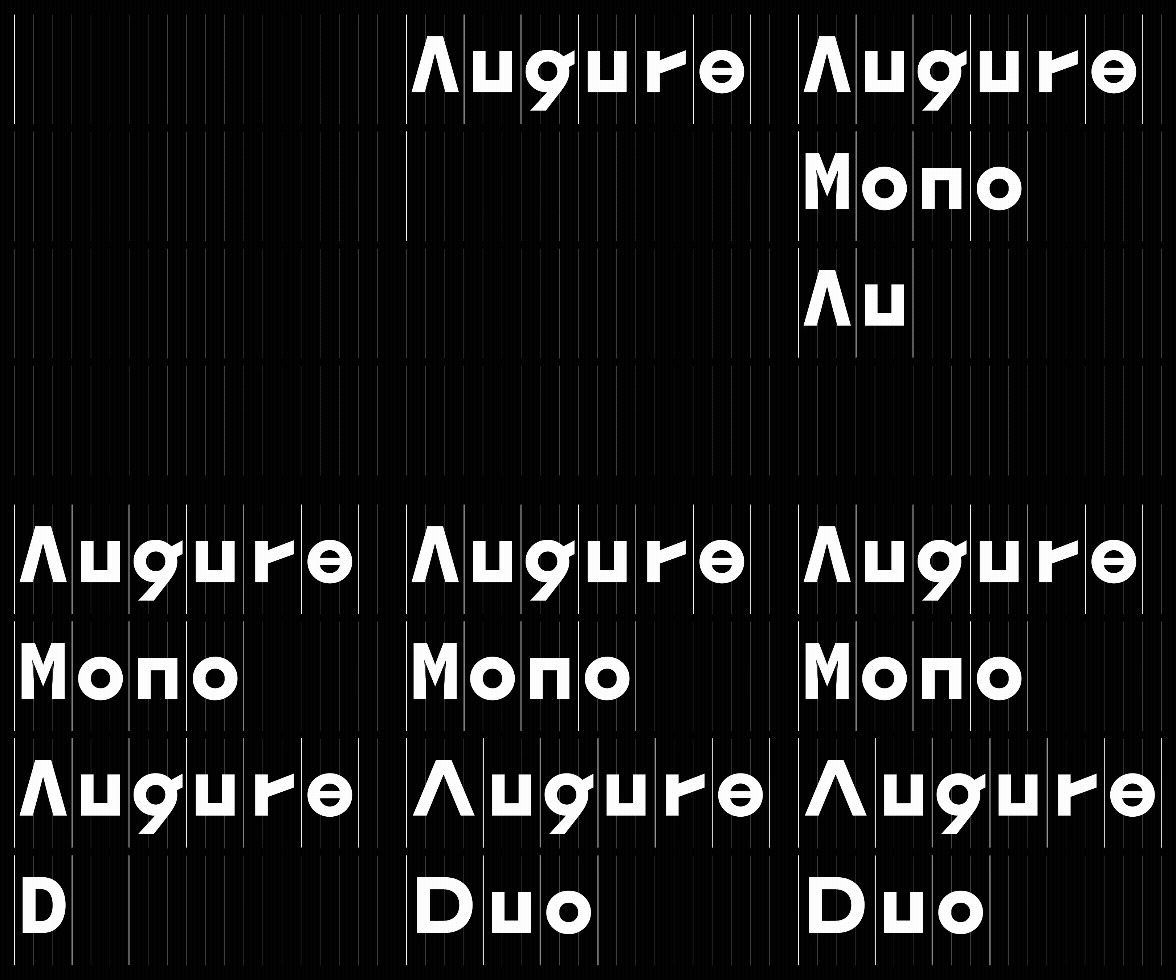
Augure Mono assigns uniform width to all glyphs. Augure Duo introduces secondary, broader measure for capitals and wider letters, with both widths related through precise one-third proportional increment. Augure Stereo merges both within variable font, rendering that secondary width fully adjustable.
Ultimately, it represents typographic problem-solving appearing straightforward externally yet revealing genuine sophistication through extended application.
7. Veloce by Rob Andrews
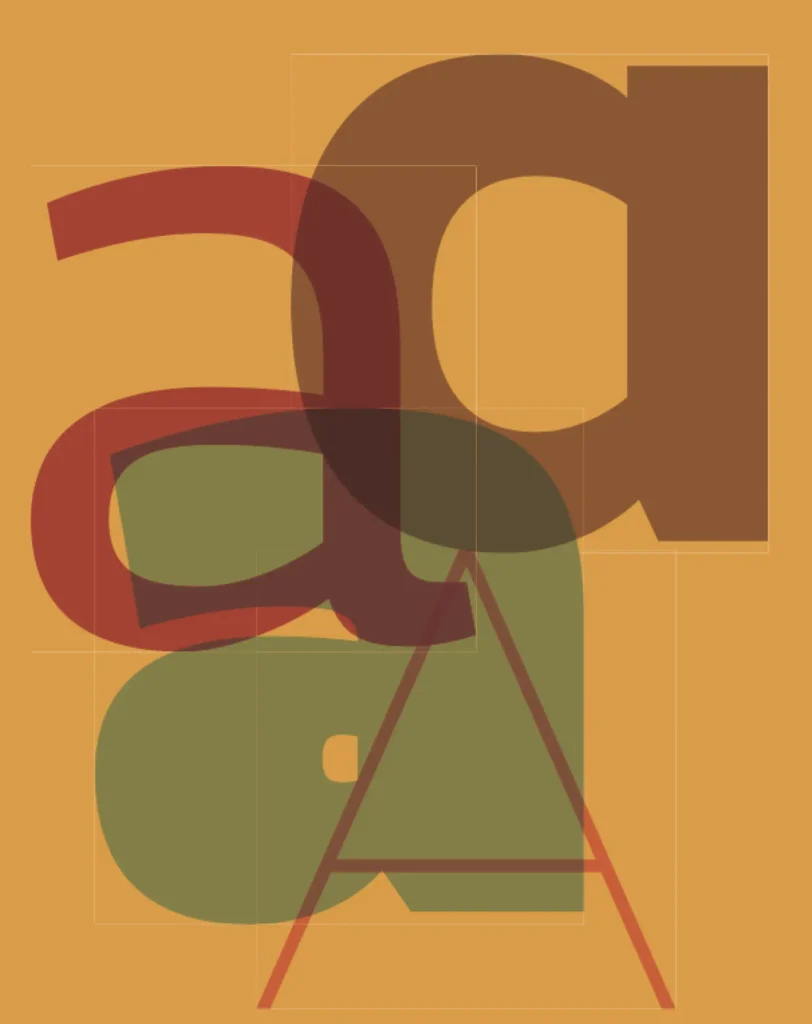
Periodically, debut releases arrive suggesting: this individual has accumulated concepts extensively. Named following garaged Alfa Romeo (another project Rob Andrews committed completing), Veloce originated as single-weight studio font and expanded into something possessing genuine versatility. Clear and objective, with sufficient personality avoiding anonymity, it represents strong selection for body text and wayfinding.
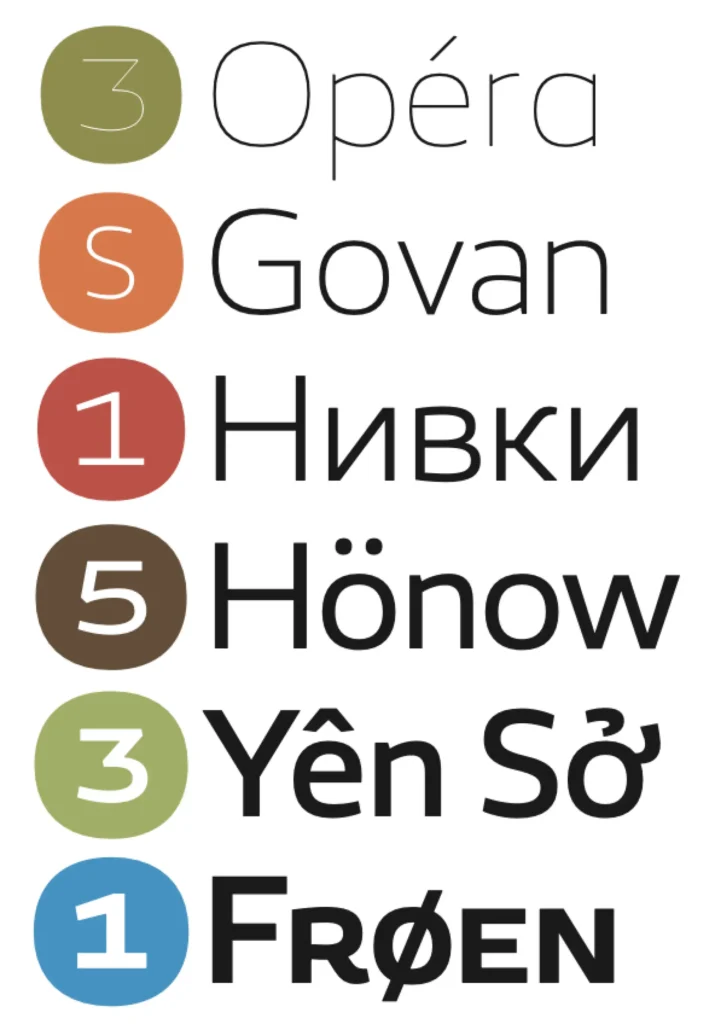
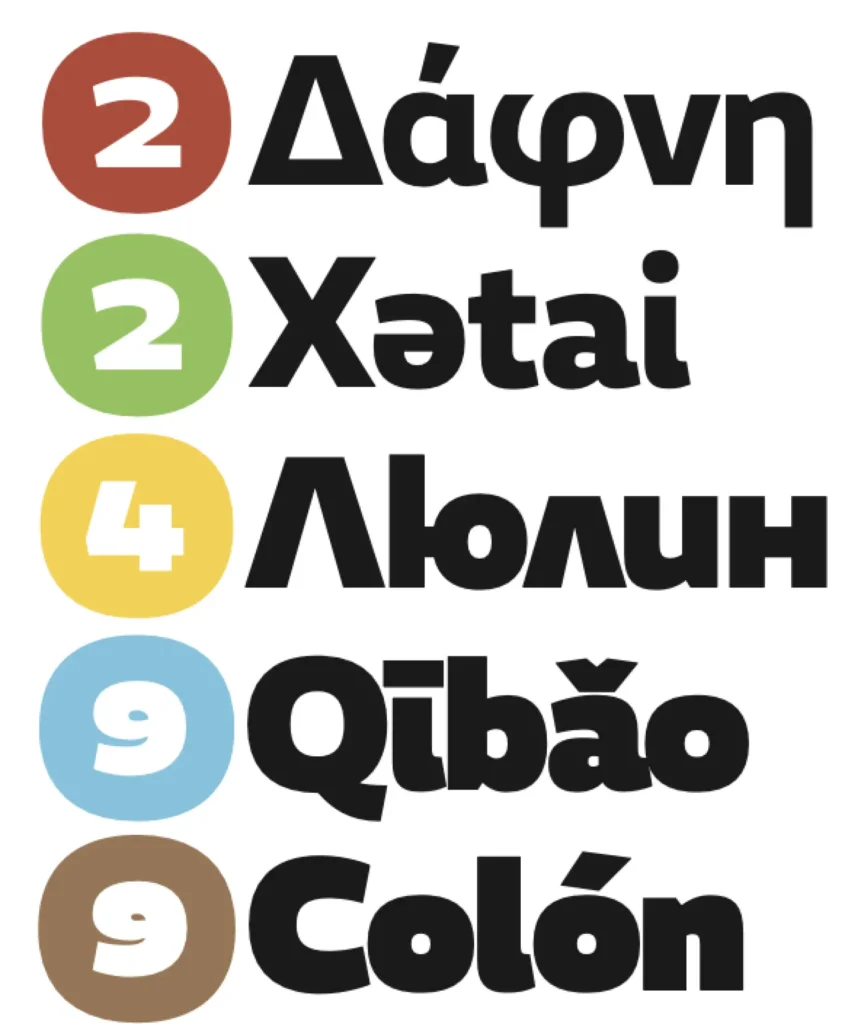
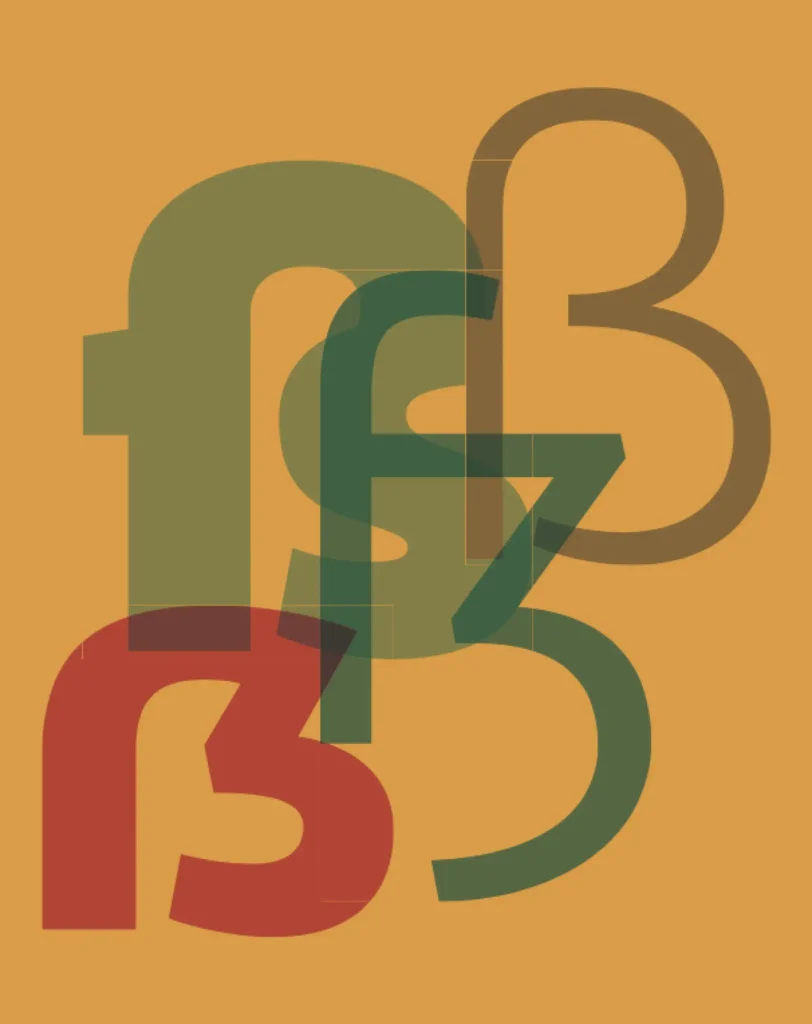
What genuinely distinguishes it involves language coverage. Beyond Cyrillic, Greek, and Vietnamese, Andrews incorporated Pinyin Chinese and Nigerian and International African alphabet characters. It represents unusually thoughtful decision for debut, reflecting serious long-term consideration regarding global communication.
8. Intonare by Applied Systems Design Studio
Roundhand typefaces easily drift toward pastiche. Intonare avoids this through treating calligraphic origins as structural principle rather than decorative reference. Grounded in measured round-hand pen movement, it reinterprets historical pen lettering through modern typographic system: fluid transitions, intentional stroke structures, and decoration emerging through motion rather than excess.
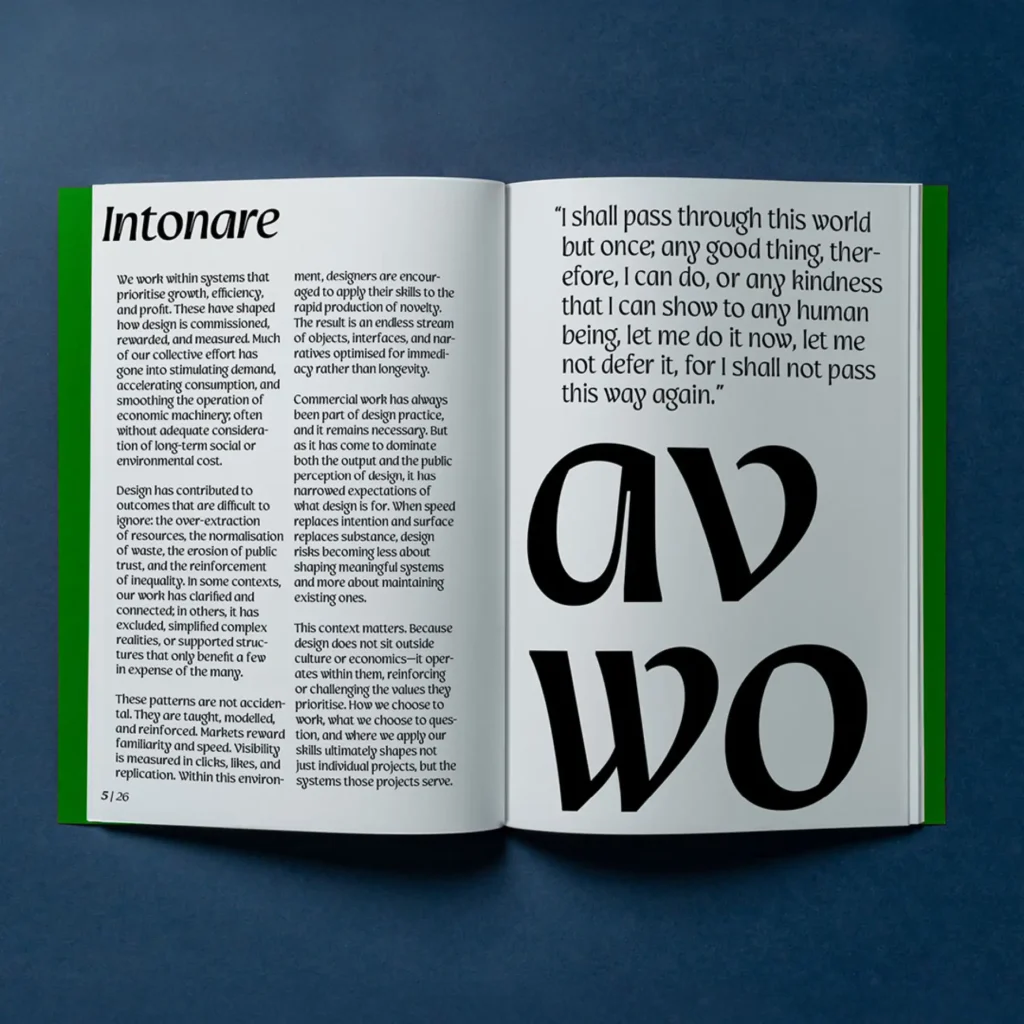
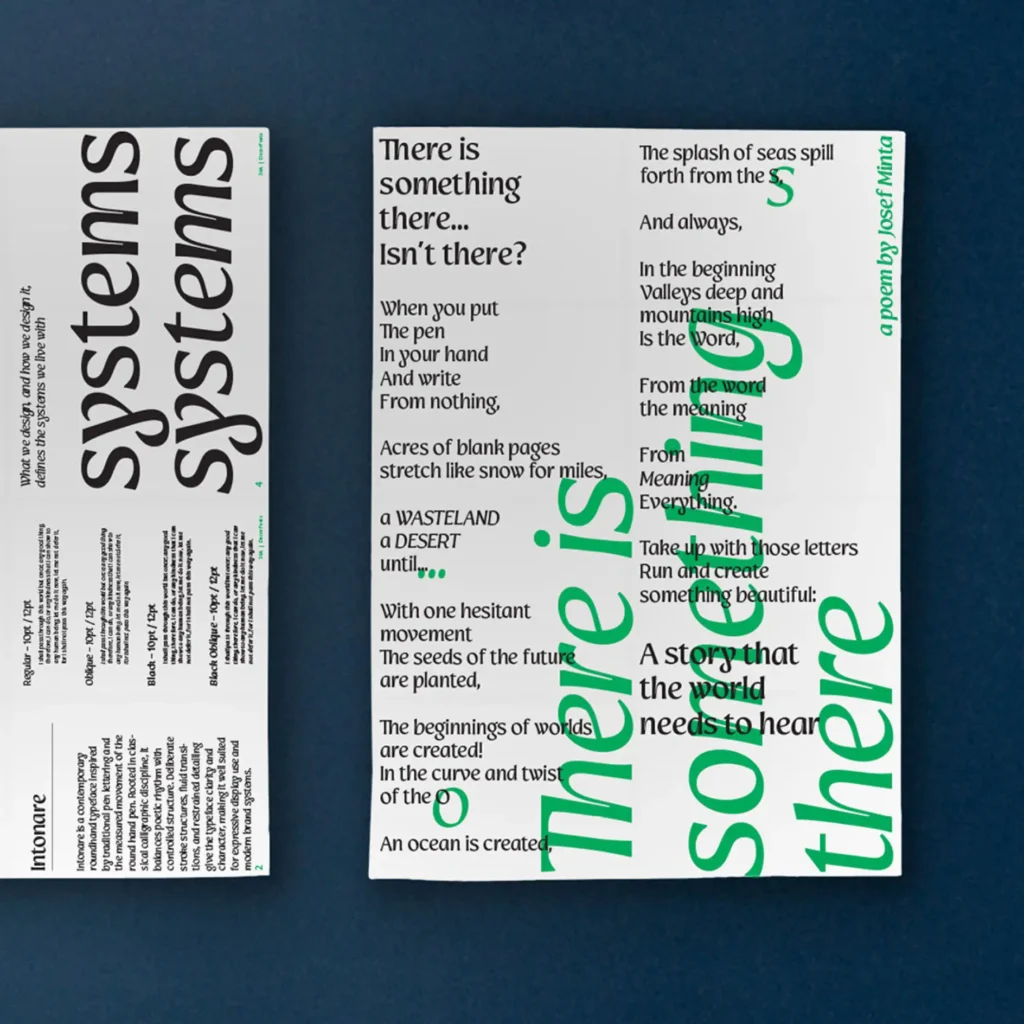
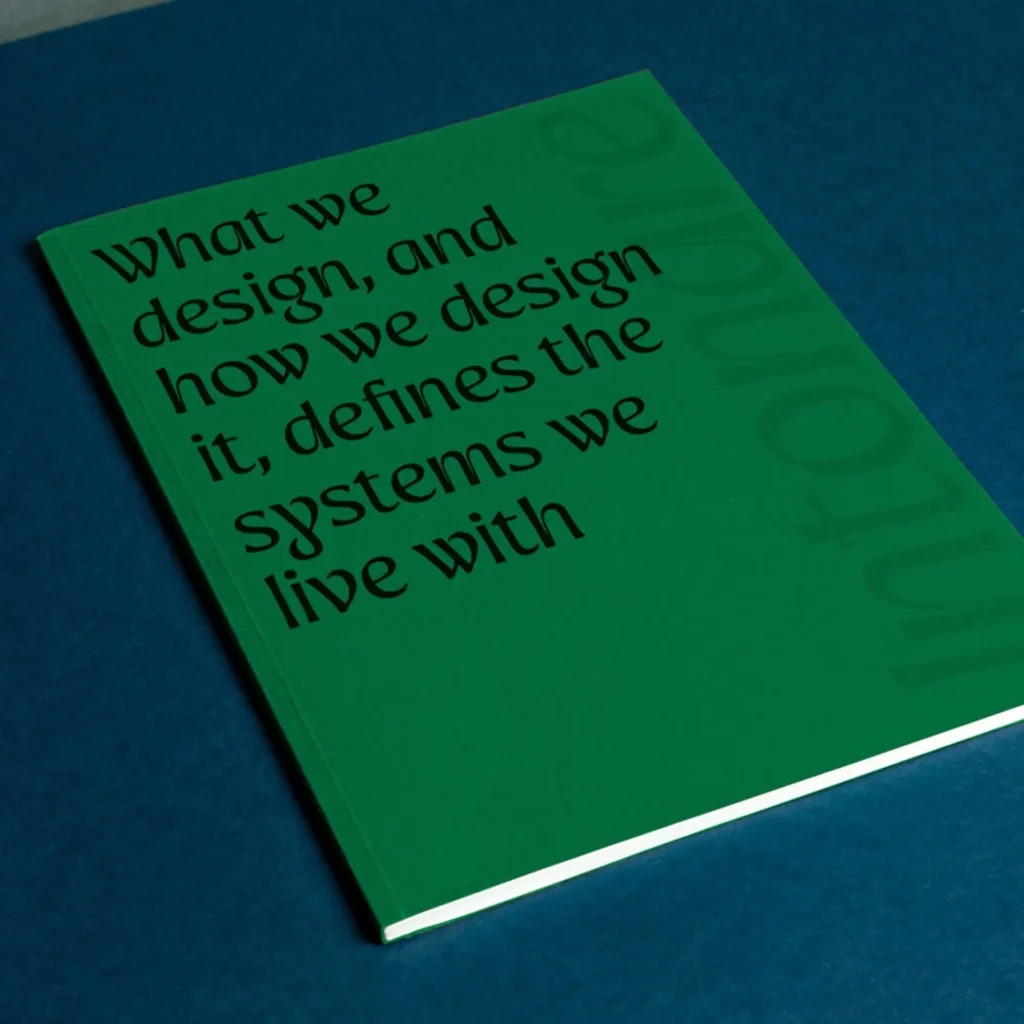
The largest family Applied Systems has released thus far yields contemporary roundhand feeling genuinely practical. It’s warm and distinctive for display and brand applications, without fussiness typically accompanying scripts of this nature.
9. Suncoast by Tipotype
Suncoast provides designers two complementary typefaces (Suncoast Grotesque and Suncoast Humanist) capable of mixing and matching within identical visual universe. One delivers functional solidity; the other, flowing warmth. Together, they enable typographic tone modulation depending on context without compromising cohesion.
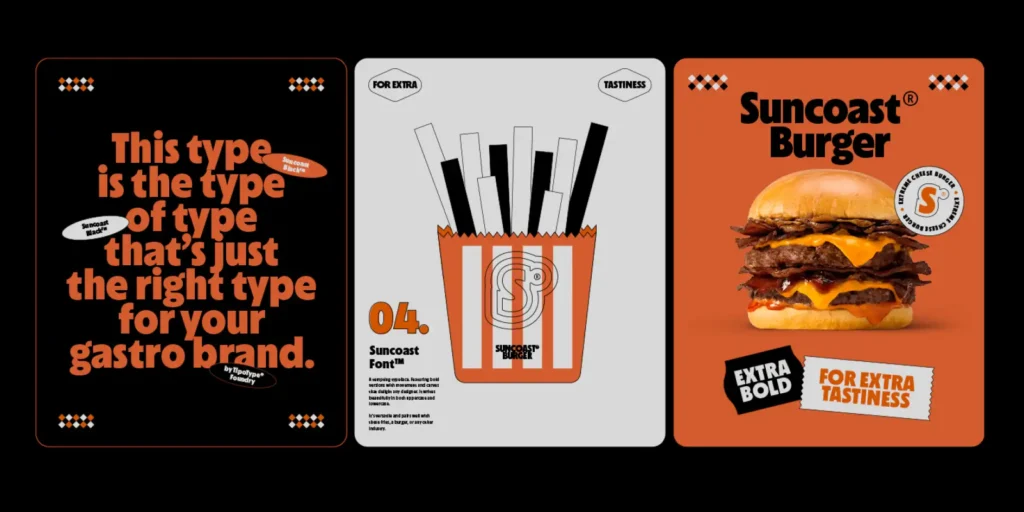
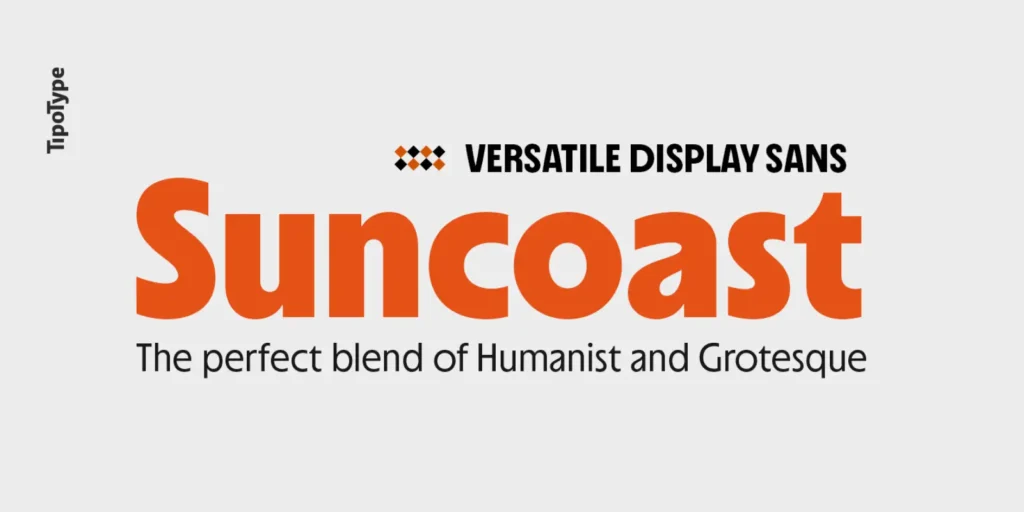
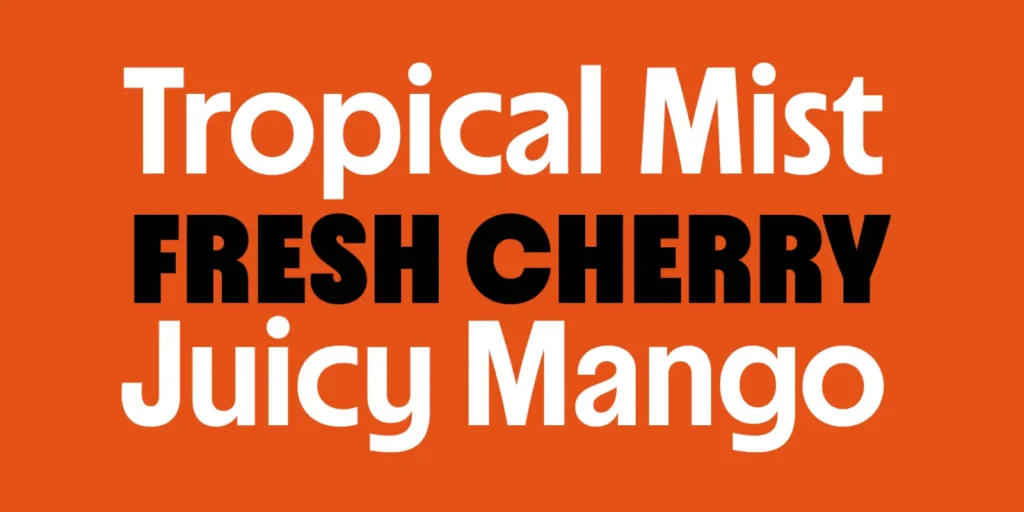
Positioned firmly within commercial product space (packaging, retail, wine labels, cosmetics), Suncoast understands its market and serves it effectively. Not every typeface requires editorial gravitas aspiration, and this one succeeds through knowing precisely where it belongs.
10. SLTF The Silver Editorial Pixel Version by SilverStag Type Foundry
Pixel typography experiences genuine renaissance currently, and SLTF engages it with greater sophistication than most, anchoring the aesthetic in editorial sensibility rather than pure retro-game nostalgia.
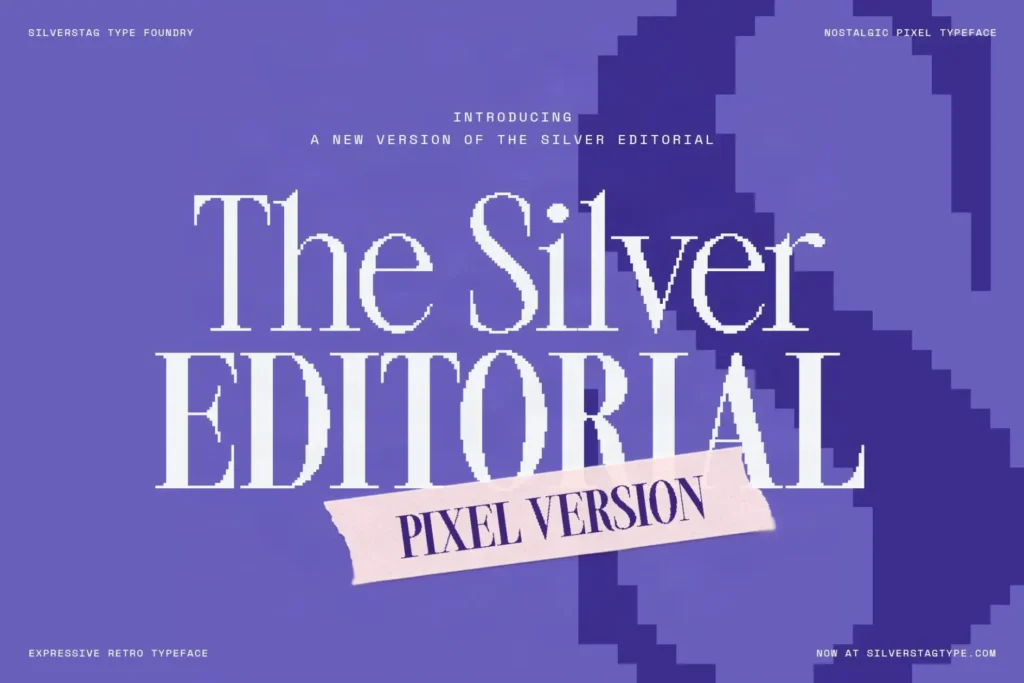
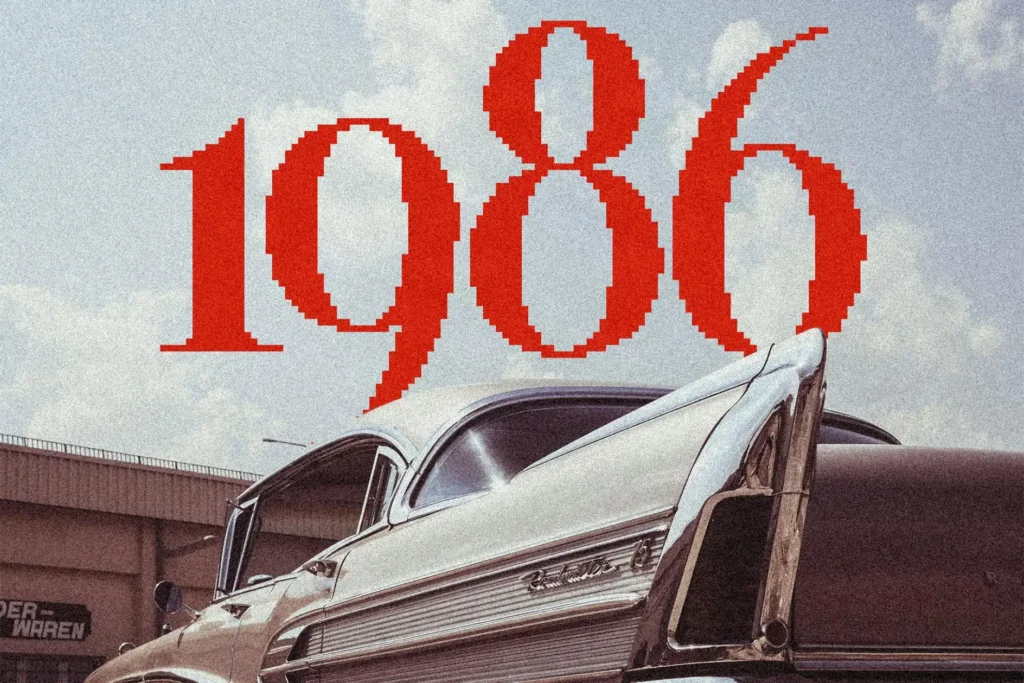
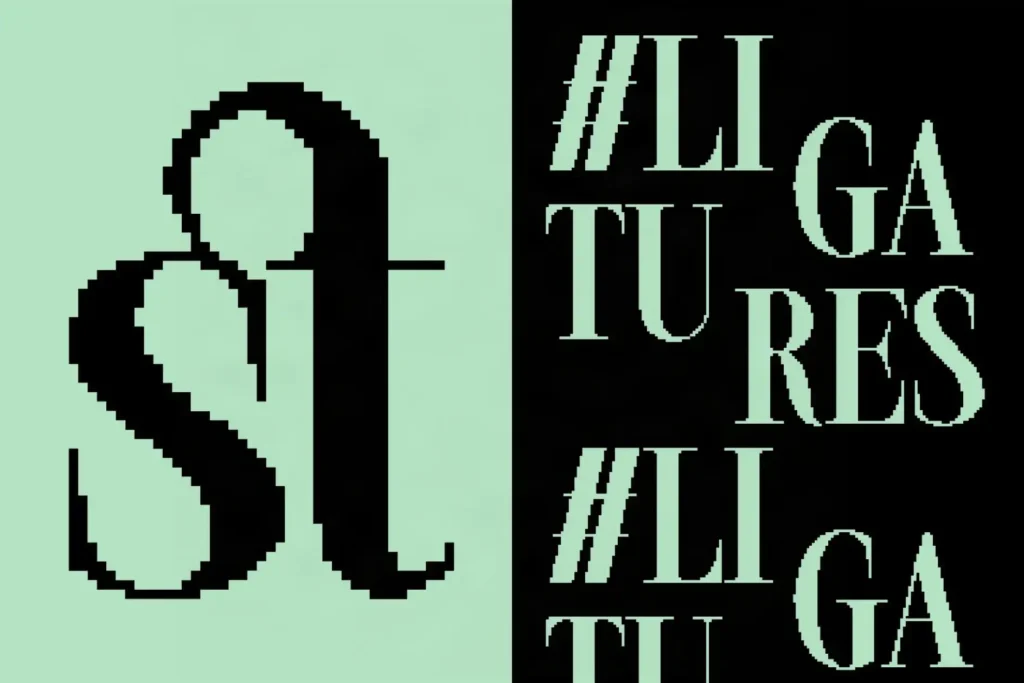
“Luxury encounters arcade, fashion meets 8-bit, magazine elegance with appropriate grit.” The proposition proves clear, confident and optimally, the concept delivers. Four fonts (Pixel Thin, Pixel Regular, Pixel Black, and clean Silver Editorial Regular for pairing) allow designers transitioning between refined and deliberately rough within singular visual world, without reaching for different family achieving the contrast.
11. Chubasco by Enigma
Enigma primarily operates as bespoke type studio, and Chubasco marks its initial retail market entry — arriving with assurance of foundry spending years solving authentic branding challenges. A black sans serif engineered for impact, it features elevated x-height, compact proportions, and confident combination of square and rounded forms.
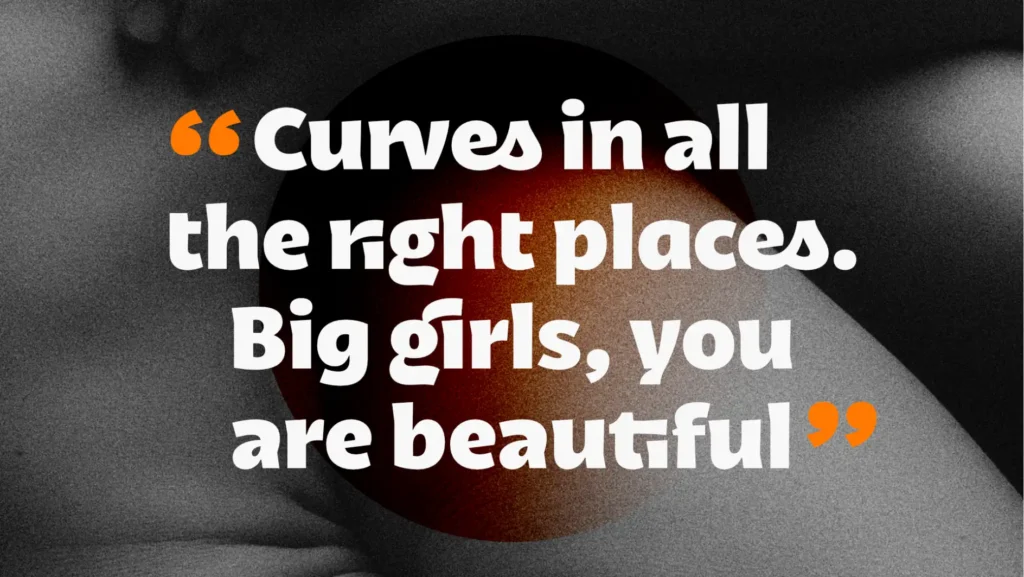
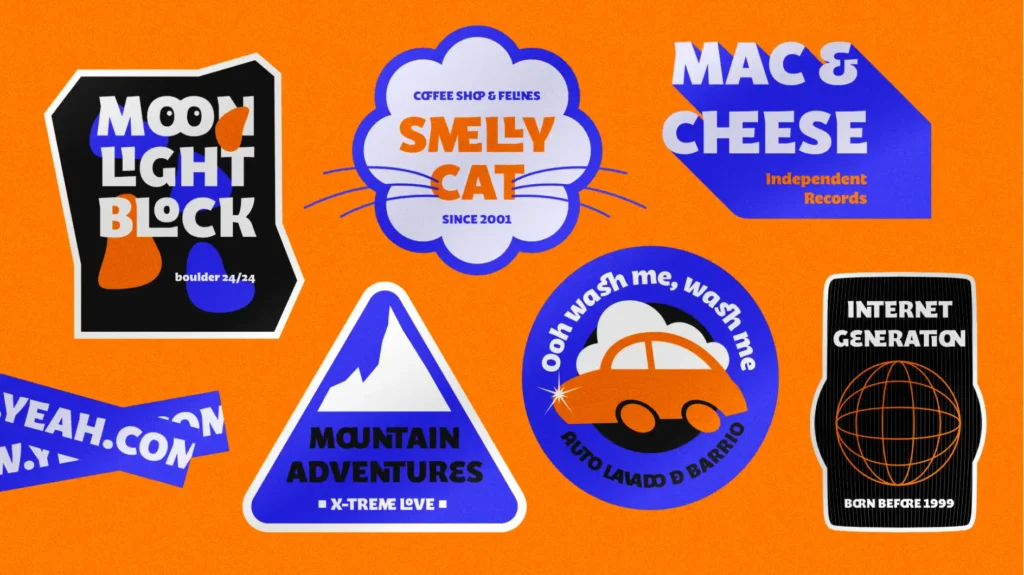
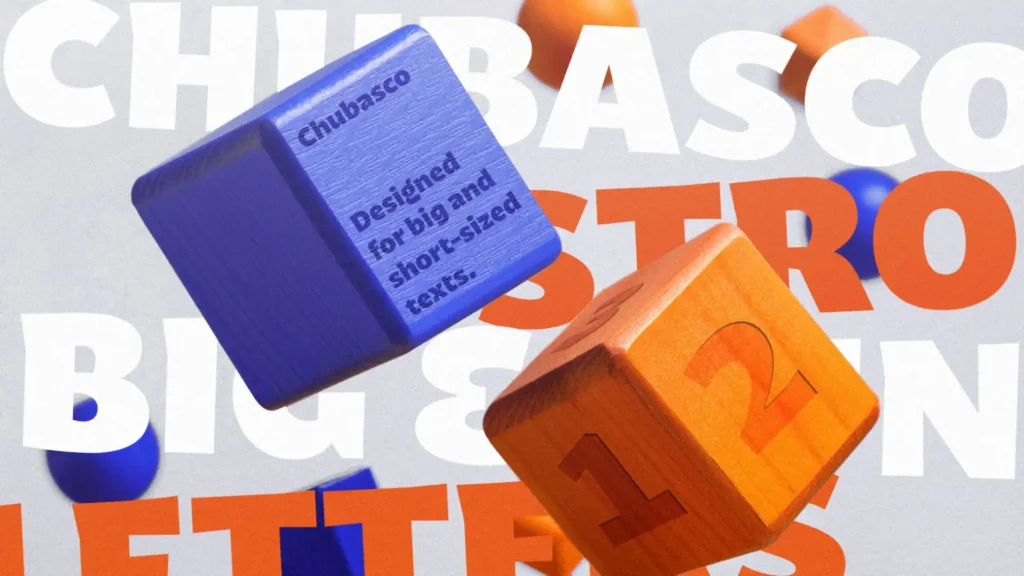
Custom ligatures across uppercase and lowercase add dynamic flow and seamless character connections to otherwise geometric structure. Excellent selection for branding, posters, and packaging requiring strong typographic personality at large scales.
12. RNT Ify by Right Now Type
RNT Ify (“I Feel You”) represents Right Now Type’s debut: designers Wouter Van Nes and Walter Oscar Rothe, based in Ghent and Antwerp, Belgium. Inspired by rounded lettering across magazines and street signage, the typeface initiates almost monolinear before precise inktraps introduce character and modern, retro-futuristic edge.
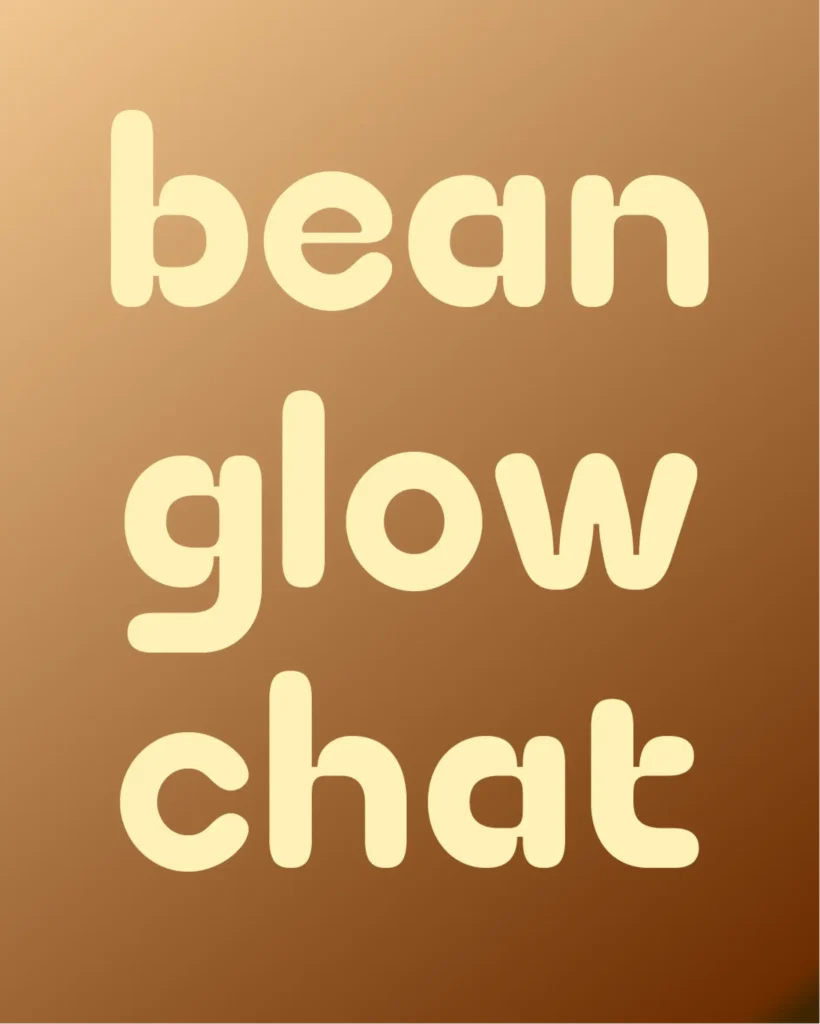
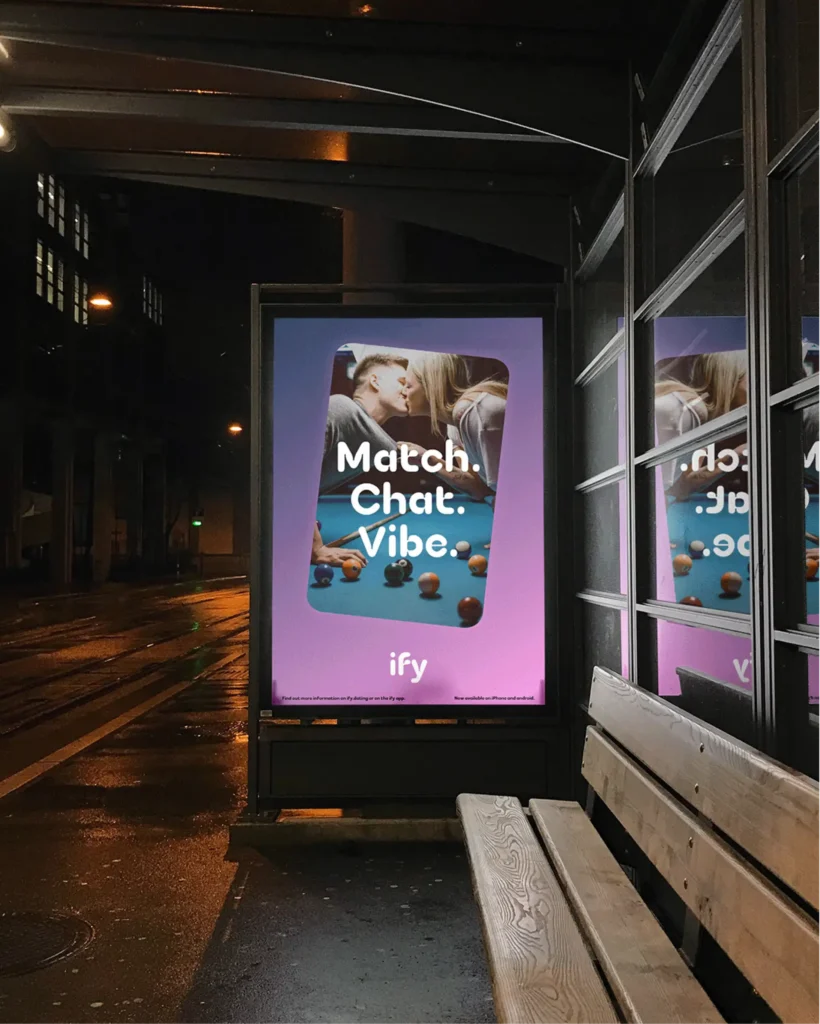
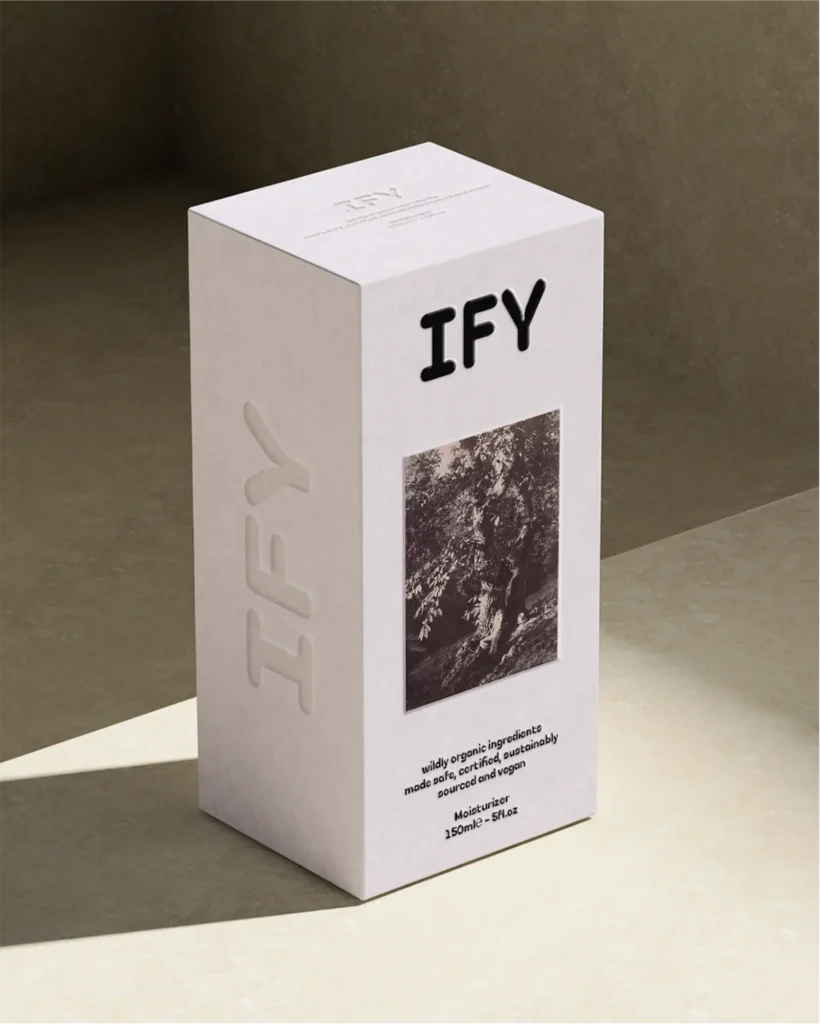
It represents subtle maneuver paying dividends across scales, catching light in ways purely monolinear fonts cannot. A considered debut with clear perspective: we’re anticipating this emerging foundry’s future work.
13. YJ Knotted Ink by Yenty Jap Creative
Sometimes you simply desire typeface design created by humans for fellow humans. YJ Knotted Ink embodies exactly that: a bold, hand-drawn display font with knotted ink texture providing letterforms stamped, tactile quality; rounded, intentionally imperfect, and genuinely warm.
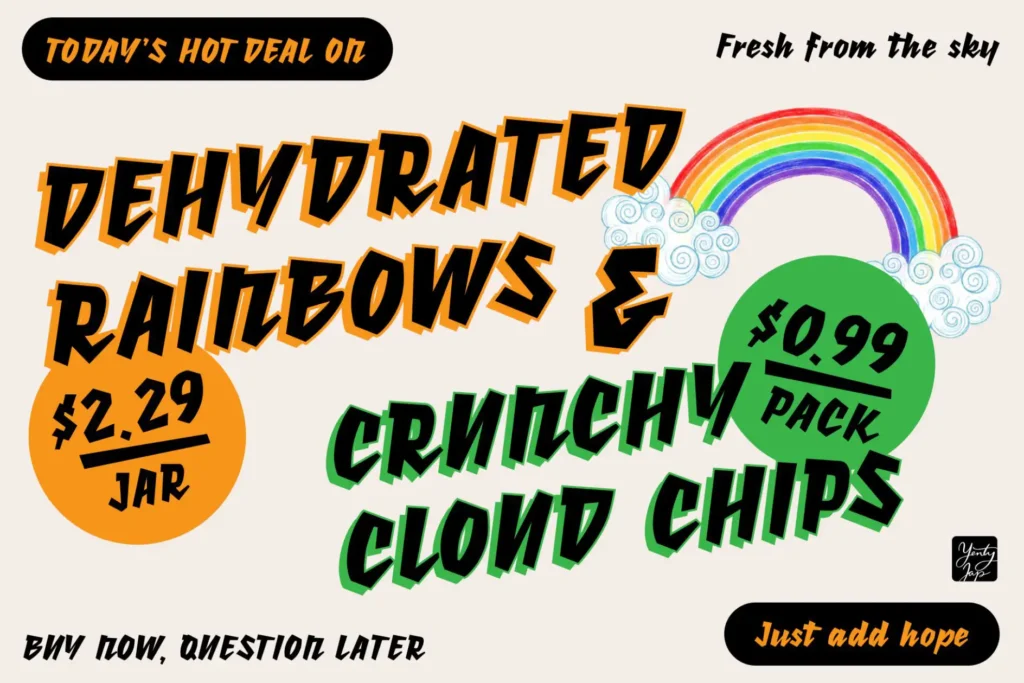
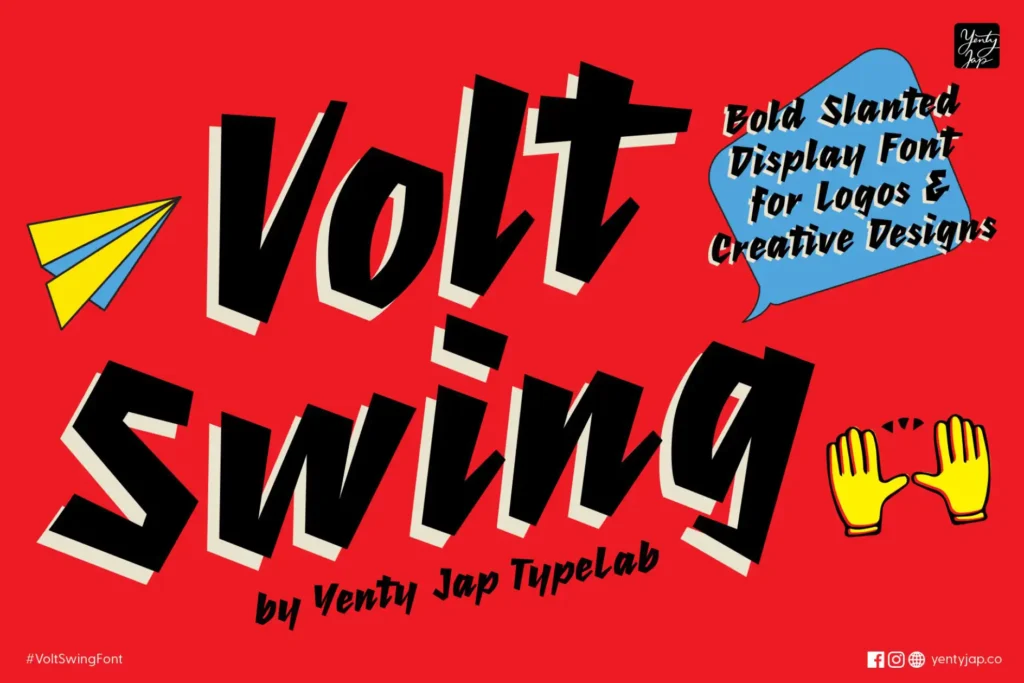
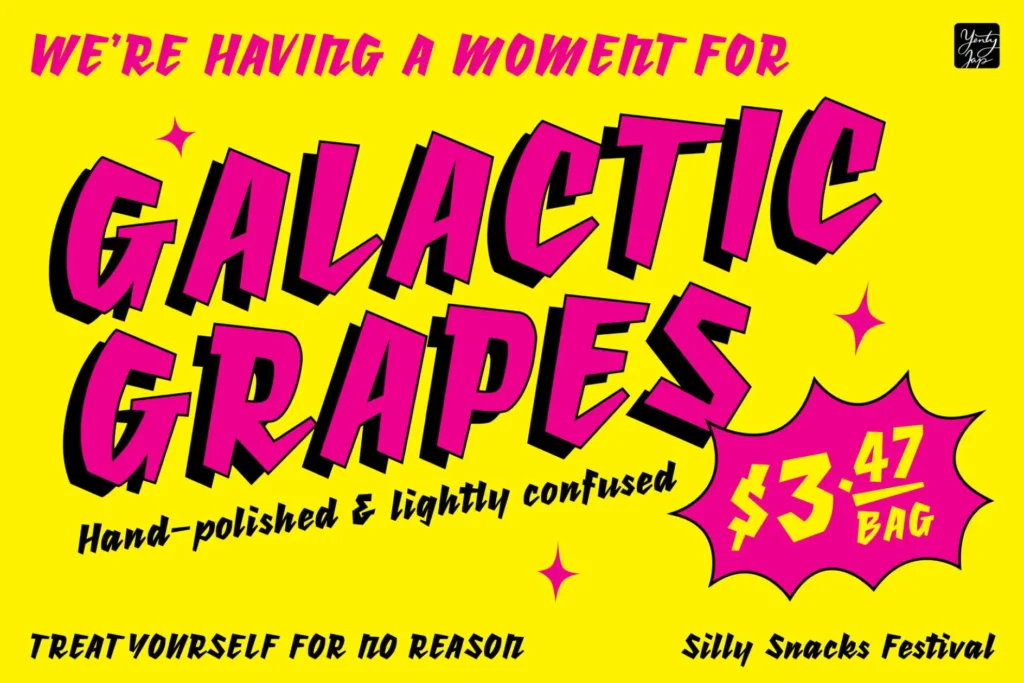
This represents no digital roughness approximation, but authentic visual quality of ink on paper. For small business branding, packaging, and social content where handmade personality matters beyond systematic polish, this delivers.
Conclusion: February 2026’s Typography Landscape
February 2026’s font development releases demonstrate typography remains a vibrant, evolving discipline. From bespoke commissions for beloved brands through ambitious multiscript collaborations, these fourteen typefaces represent the diverse approaches contemporary designers employ advancing letterform boundaries. Whether pursuing practical corporate solutions or distinctive creative expression tools, this month’s releases present rich possibilities for designers committed toward typographic excellence.
Looking for expert support in branding, design, or packaging? Discover how Brandlic turns creative ideas into powerful brand experiences. Explore our services →