Innovative grotesque designs are disrupting Helvetica’s monopoly, as groundbreaking frameworks examine communal authorship, structural inspiration, and the dissolving lines between serif and sans-serif aesthetics.
Nearing year-end incredibly, we’re completing the initial quarter of our century the typography design trends landscape persists in unveiling remarkable creative achievements. December’s introductions encompass intimate artistic journeys through ambitious technological breakthroughs, spanning from grotesques confronting Helvetica’s market saturation to revolutionary frameworks birthed through collective workshops.
The unifying principle connecting December’s releases involves the interplay between classical foundations and forward-thinking innovation. Numerous typefaces in this collection possess historical DNA, drawing from British typographic legacy, mid-1900s modernist philosophy, or Art Nouveau decorative elements. The critical distinction: these aren’t mere historical reproductions. They’re leveraging tradition as launching points, producing font collections that simultaneously honor heritage while embracing contemporary sensibilities.
For those seeking versatile text systems with expansive multilingual capabilities, display faces projecting architectural authority, or experimental platforms questioning traditional creative ownership, this compilation delivers.
1. Die Grotesk by Kris Sowersby
Die Grotesk confronts Helvetica’s cultural dominance head-on, balancing respect and resistance toward a typeface whose prevalence borders on inescapable. Representing Klim Foundry’s debut retail variable font, this custom typeface design springs from analyzing historical metal letterpress specimens and modernist principles, crafted to achieve impeccable typographic consistency throughout every scale.
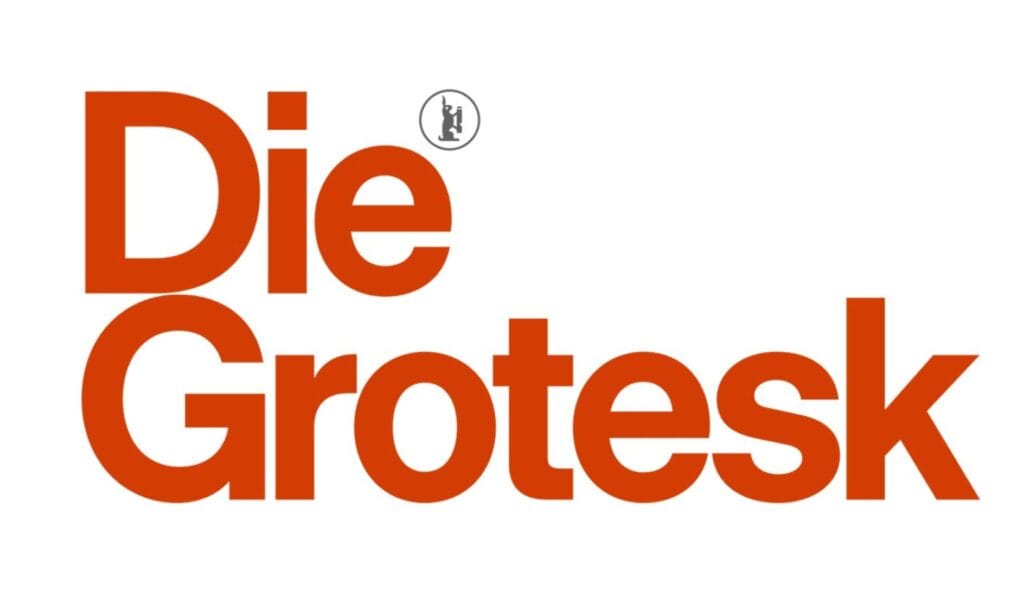
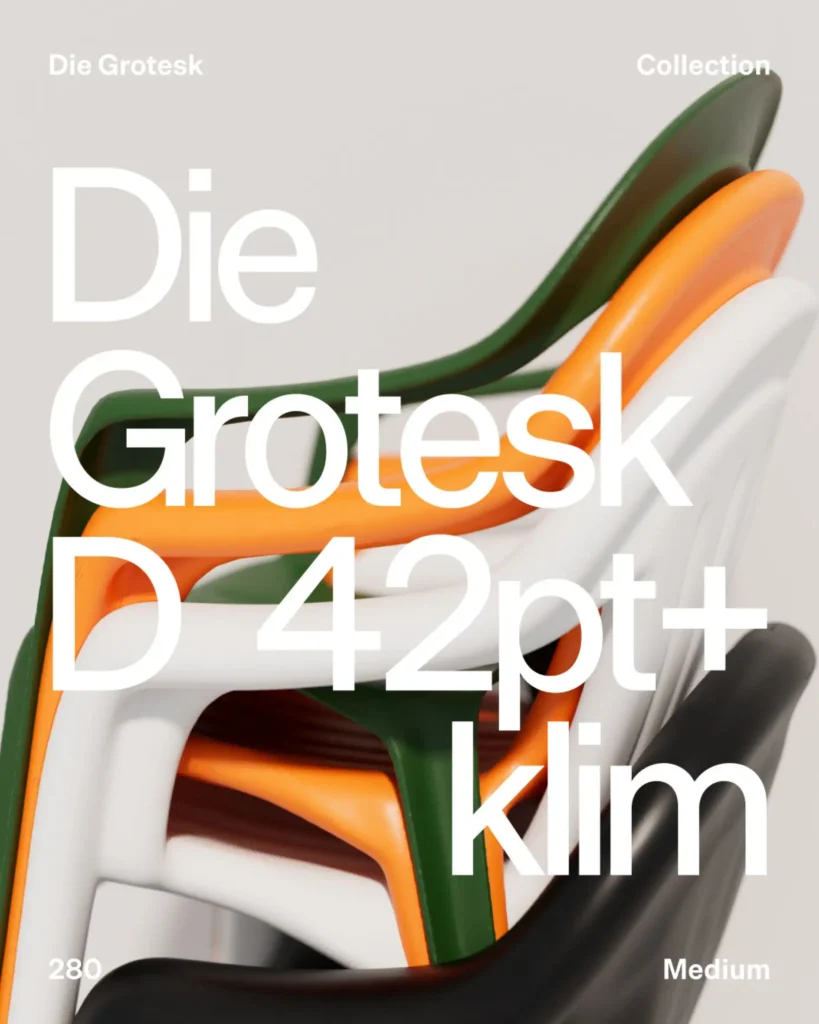
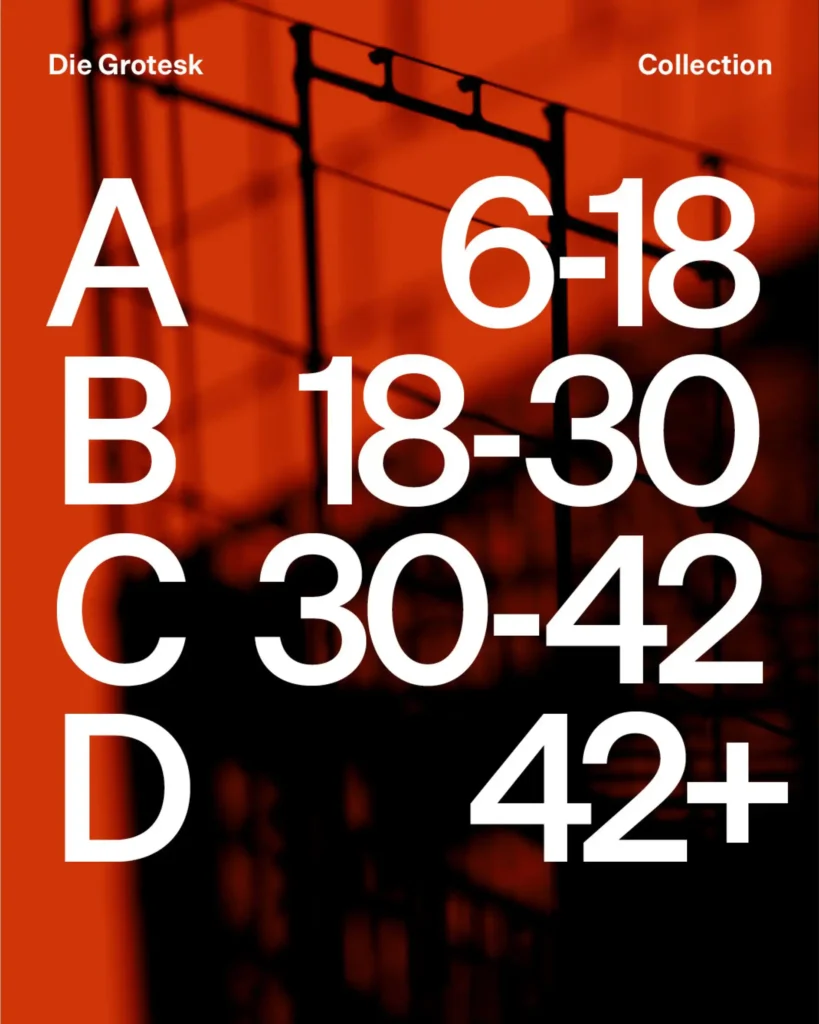
Variable controls deliver fluid, granular adjustments for weight and spacing characteristics, as static options retain visual fidelity across applications. This technical prowess responds to modern design practice necessities—flexibility paired with uniformity—granting designers meticulous authority over typographic voice without compromising visual harmony. Instead of dismissing or blindly accepting Helvetica’s cultural weight, this alternative injects revitalizing energy into grotesque traditions.
2. Marblis by Julien Fincker
Julien Fincker’s Marblis emerges as another contemporary response to Helvetica’s marketplace saturation, delivering a unique interpretation of traditional grotesque aesthetics. Featuring clean, objective forms projecting stability and trustworthiness, this transcends typical neo-grotesque offerings; it represents a meticulously engineered system prioritizing maximum versatility.
Marblis distinguishes itself through its calibration of objectivity and individuality. While delivering the robust, reliable aesthetic grotesques demand, subtle personality prevents complete visual anonymity. This ensures content dominance while equipping designers with a precise, reliable instrument delivering consistent performance across diverse applications.
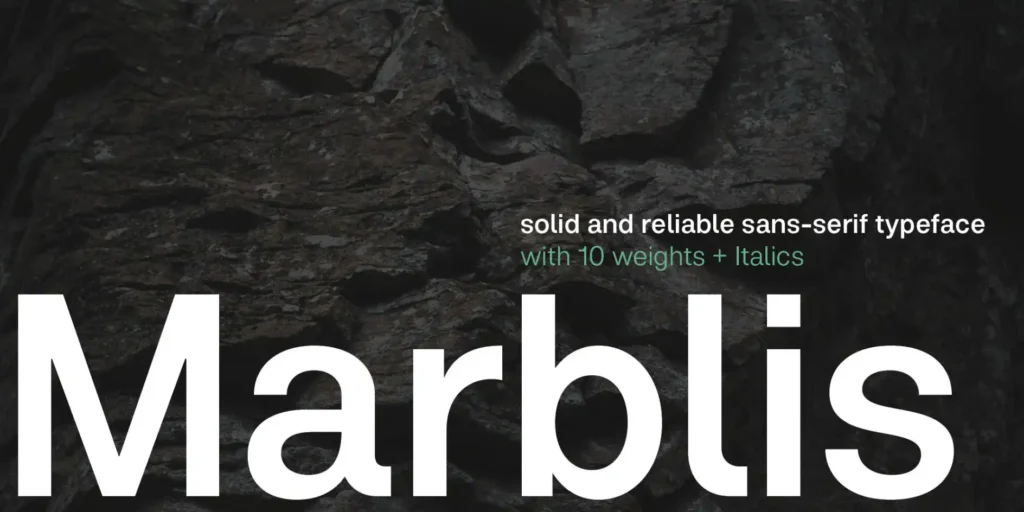
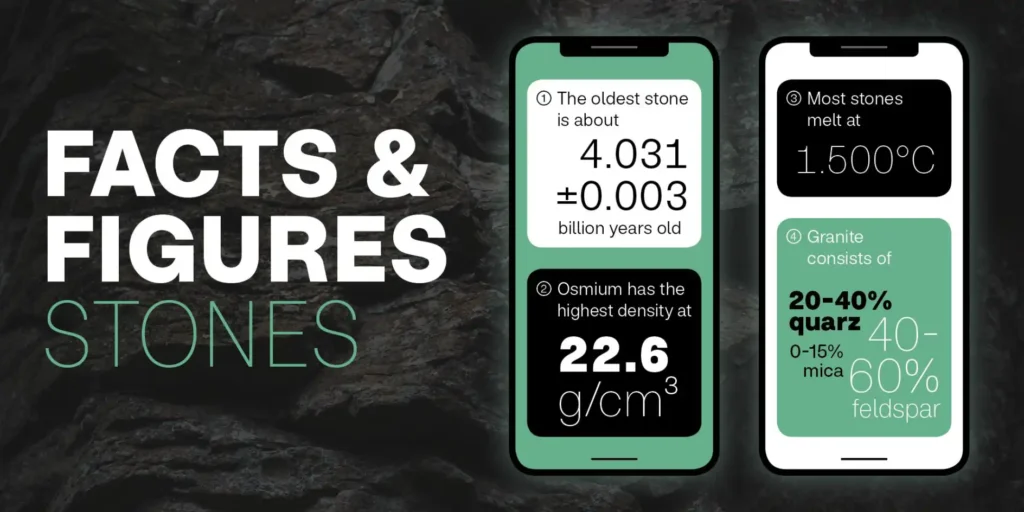
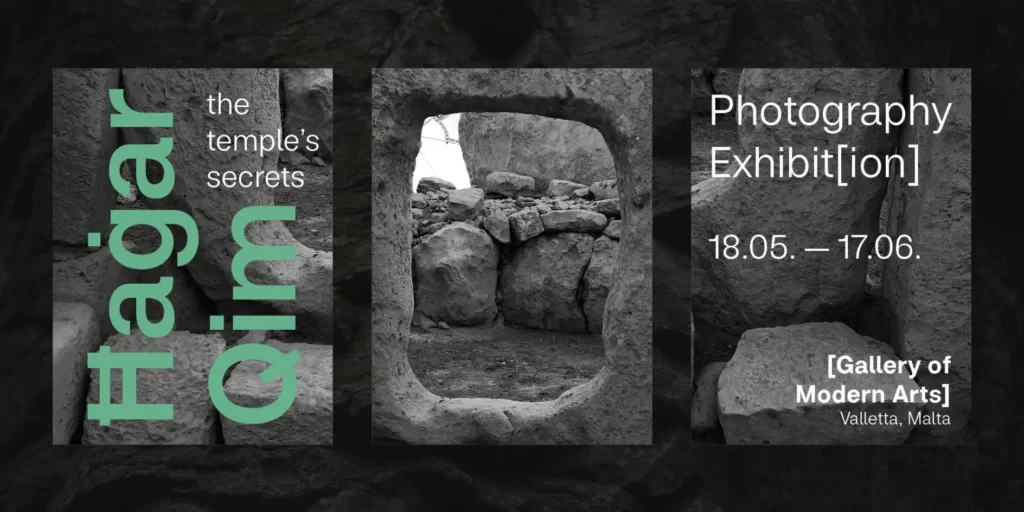
This brand typography collection encompasses 10 weights with corresponding italics, yielding 20 total styles, featuring over 1,410 glyphs per font accommodating 200+ Latin-script languages. Marblis showcases adaptability through comprehensive OpenType functionality and variable font architecture, proving especially valuable for corporate identity systems, editorial design, and wayfinding applications. Available exclusively through Font Cuisine until January 16th; utilize code Marblis50 for 50% savings.
3. Edgar by Tobias Frere-Jones and Nina Stössinger
Frere-Jones Type’s Edgar celebrates Mallory’s decade anniversary, introducing a serif counterpart ten years in development. Primarily conceived by Tobias Frere-Jones with Nina Stössinger’s crucial contributions (particularly italic styles), Edgar represents an oldstyle text collection examining the fusion of intimate and collective narratives.
Bearing Frere-Jones’ great-grandfather Edgar Wallace’s name—a successful crime fiction author—this professional typography solution mines British typographic heritage through William Caslon’s and Alexander Phemister’s legacies. This improbable synthesis of sources spanning nearly 150 years generates creative friction: individual letterforms potentially lacking perfect balance yet coalescing into words with magnetic rhythm.
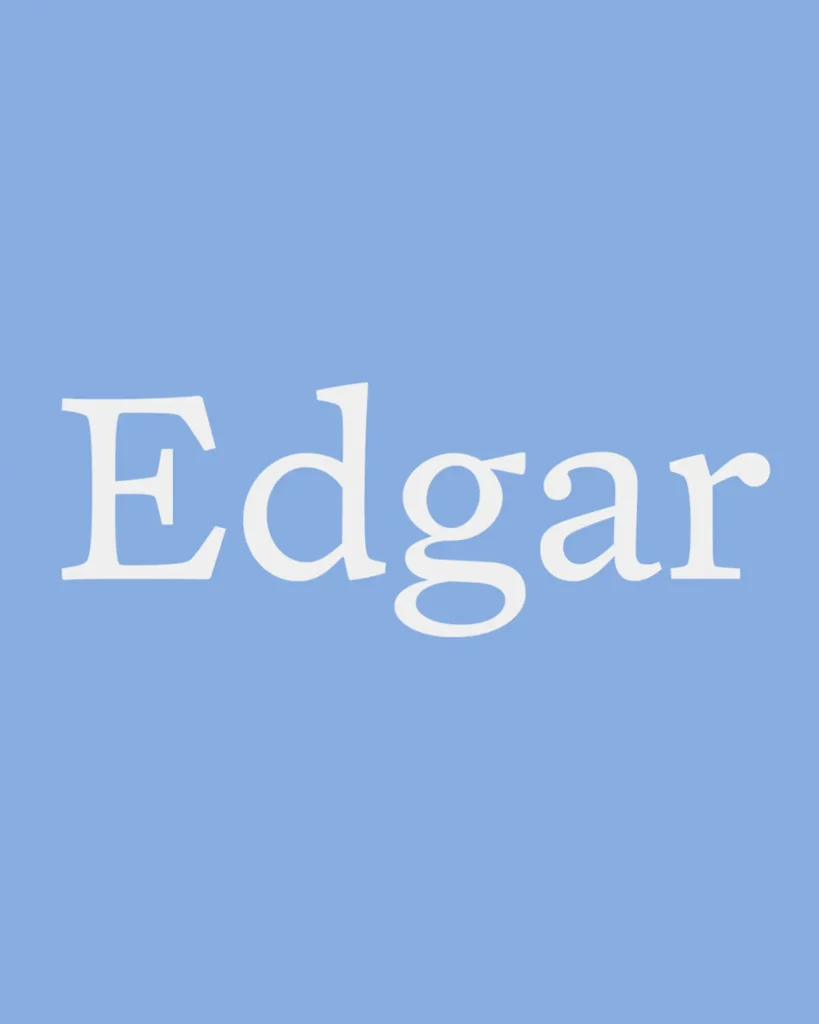
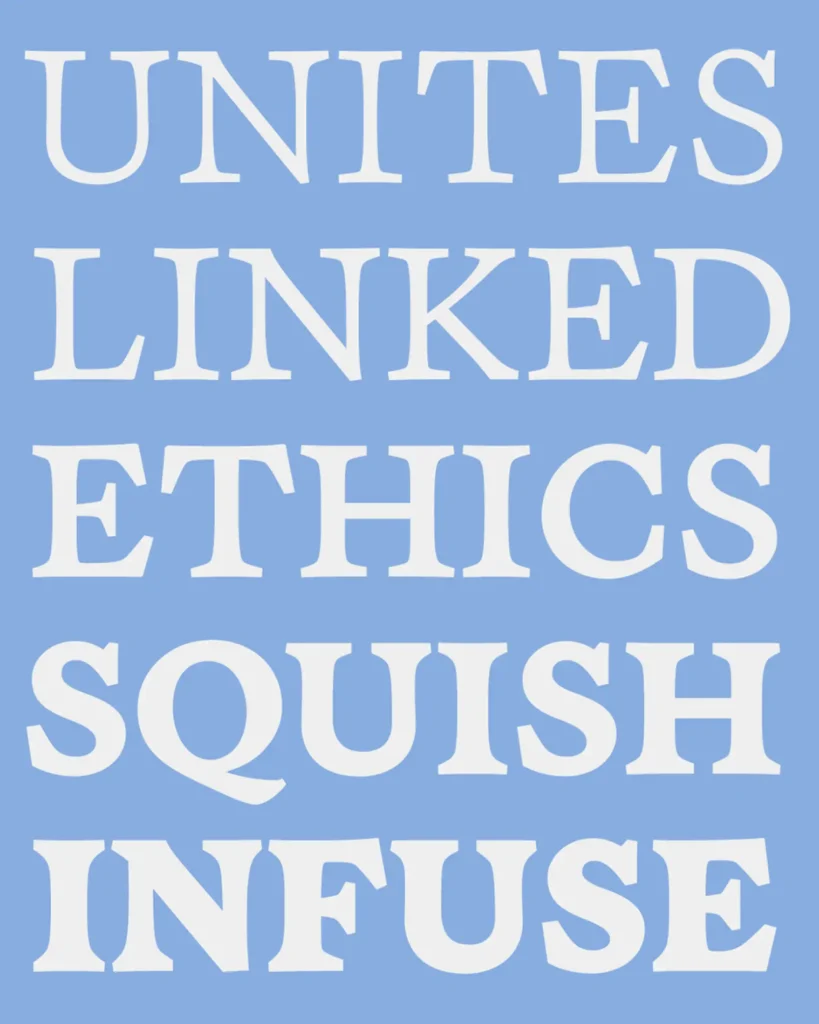
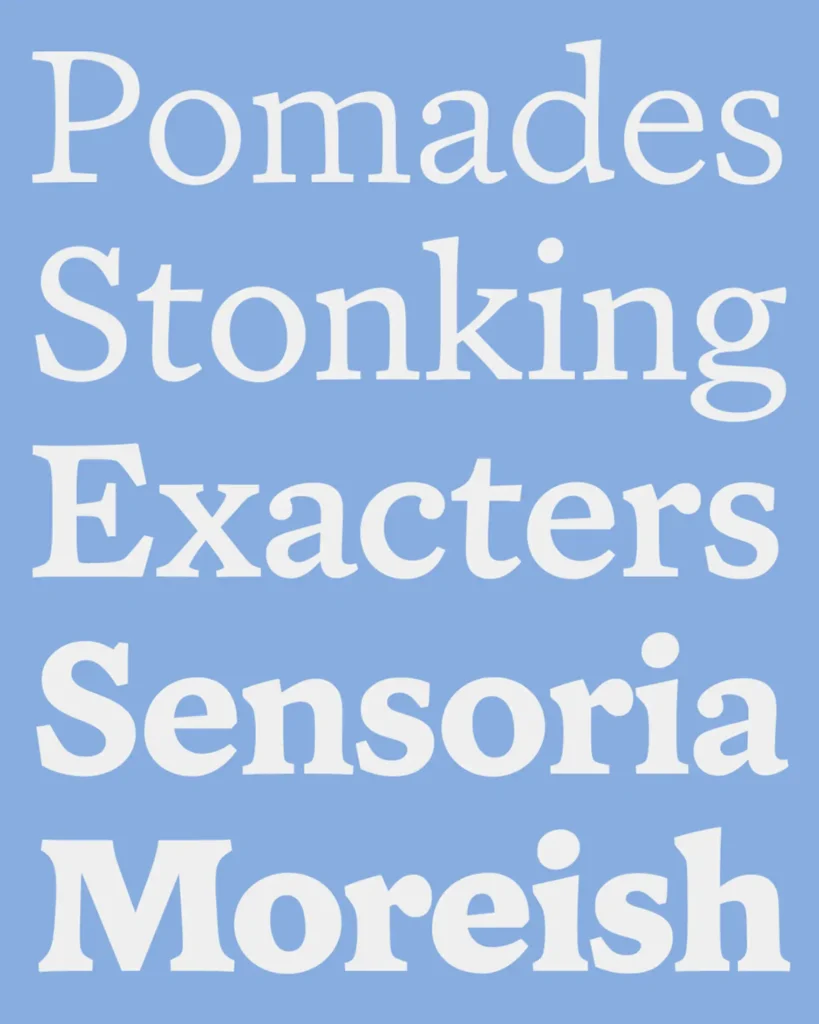
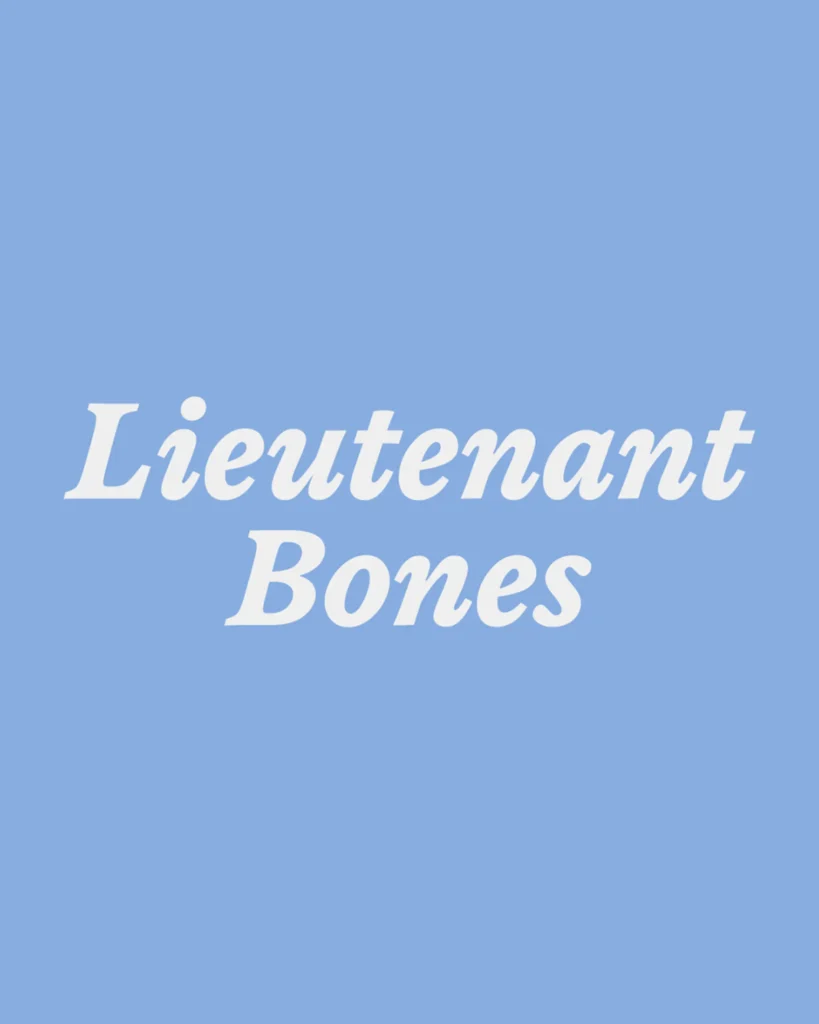
Edgar Wallace’s dialogue-driven, spirited composition approach (characteristically dictated orally versus laboriously handwritten) informed this typeface’s rhythm and texture philosophy. The design replicates that natural cadence through form and spatial relationships, establishing structures supporting prolonged reading while retaining personality preventing generic dissolution. Development collaboration with Hrvoje Živčić on character expansion and language inclusion demonstrates how iterative, cooperative design generates historically conscious yet thoroughly modern solutions.
4. Montreuil by Julien Priez and James Edmondson
Born from transatlantic collaboration between Julien Priez (professionally Boogy Paper) and James Edmondson’s OH no Type Co., Montreuil presents a comprehensive dual-component collection honoring the French town Priez calls home.
Montreuil Play evolved from Julien’s 15-year-old conceptual sketches investigating modular letterforms capable of interlocking for dynamic variations and abstract compositions. Rather than producing another standard sans-serif, he pursued developing an expansive modular alternate system. The goal: inspiring designers toward shape experimentation and personalized compositions, fostering creativity beyond mere typesetting.
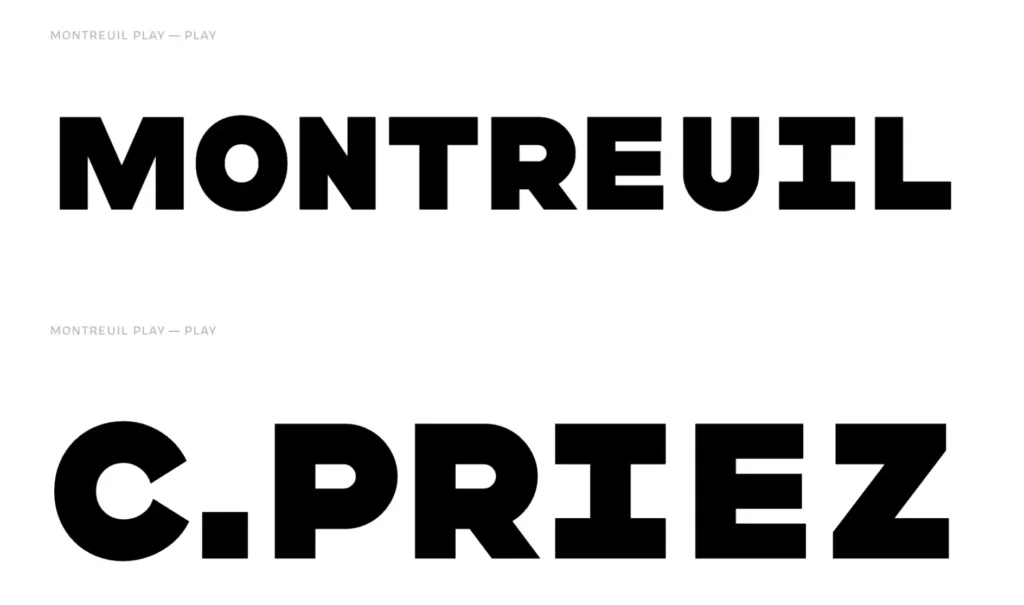
Montreuil Text, developed predominantly by OH no’s team including Colin Ford and Jamie Otelsberg, functions as Montreuil’s utilitarian complement: a refined, proportional collection featuring multiple weights and italics supporting extended text. James’s contributions infused warmth through careful humanist refinements in characters like c, e, and s, achieving functionality-personality equilibrium.
5. Bilzig by Jeanne Saliou
French designer Jeanne Saliou’s creation following Atelier national de recherche typographique (ANRT) research, Bilzig achieves landmark status. Launching in this month, it pioneers typeface engineering explicitly supporting Breton, Gallo, Welsh, French, and additional European languages’ typographic, linguistic, and cultural necessities.
Exceeding comprehensive language accommodation, Bilzig integrates pioneering functionality for Breton consonant mutations and inclusive writing conventions, confronting contemporary linguistic challenges standard typefaces overlook. This technical depth serves broader contemplation regarding identity, geography, and letterforms’ cultural narrative capacity.
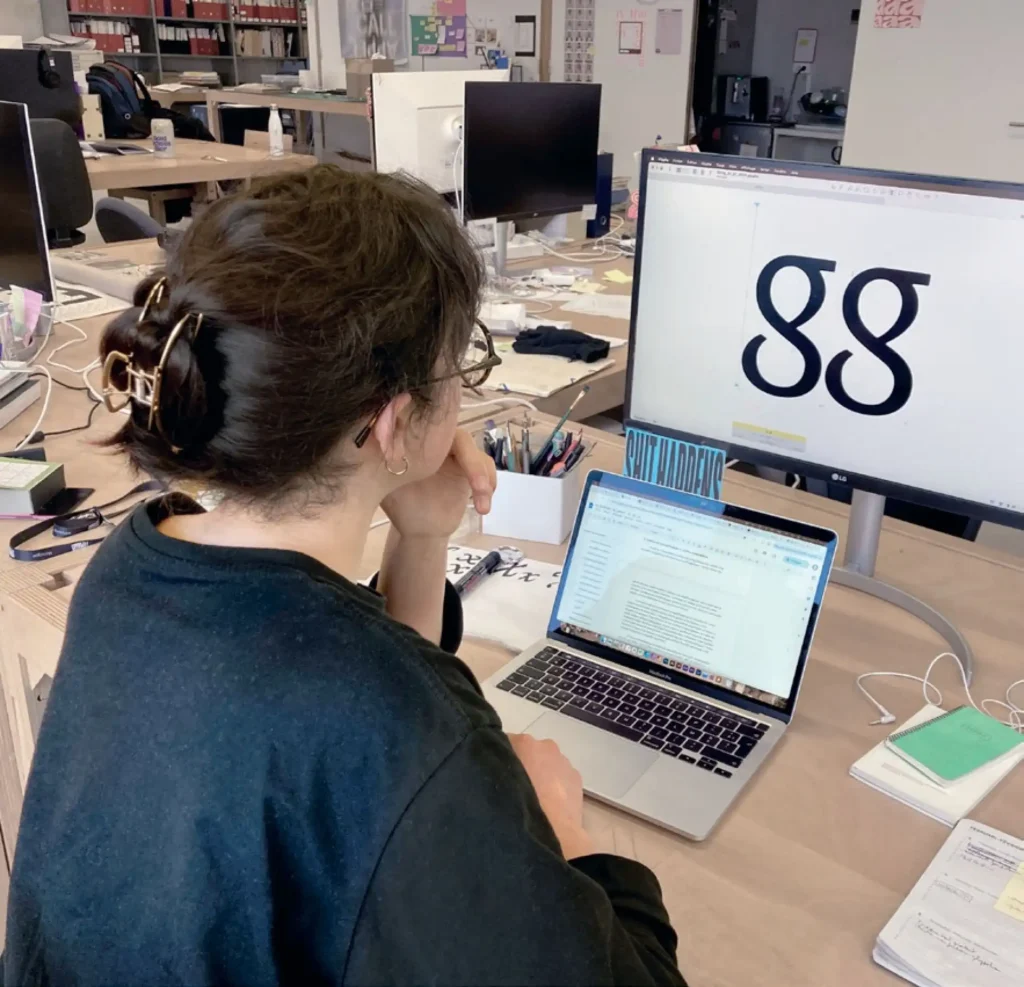
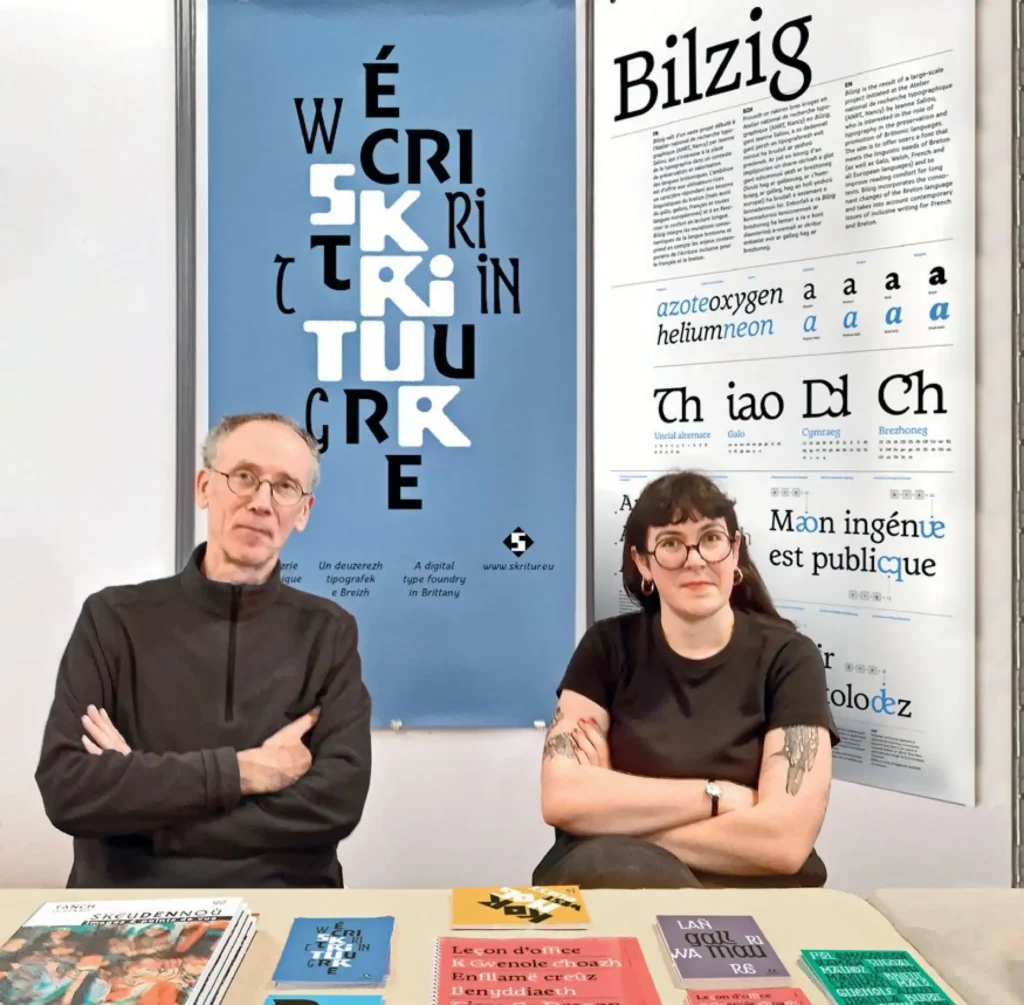
Saliou’s journey from Brest through various French urban centers shaped the project’s core inquiry: “Can letterforms forge connections with birthplaces?” Bilzig affirms this proposition, delivering users a modern font design solution addressing linguistic requirements while prioritizing extended reading comfort. Available in four weights (normal, medium, bold, black) for roman and italic applications.
6. Tapeface by Varada Rege
Tapeface, segment of Varada Rege’s ongoing How to [not] design a typeface initiative, emerged through 27 participants’ workshop collaboration. Each contributor obtained one alphabet sheet and single tape color; every 30-second interval, sheets rotated to subsequent participants, enabling universal contribution to every character. The result: a typeface forged by collective hands—layered, seemingly chaotic, yet unified.
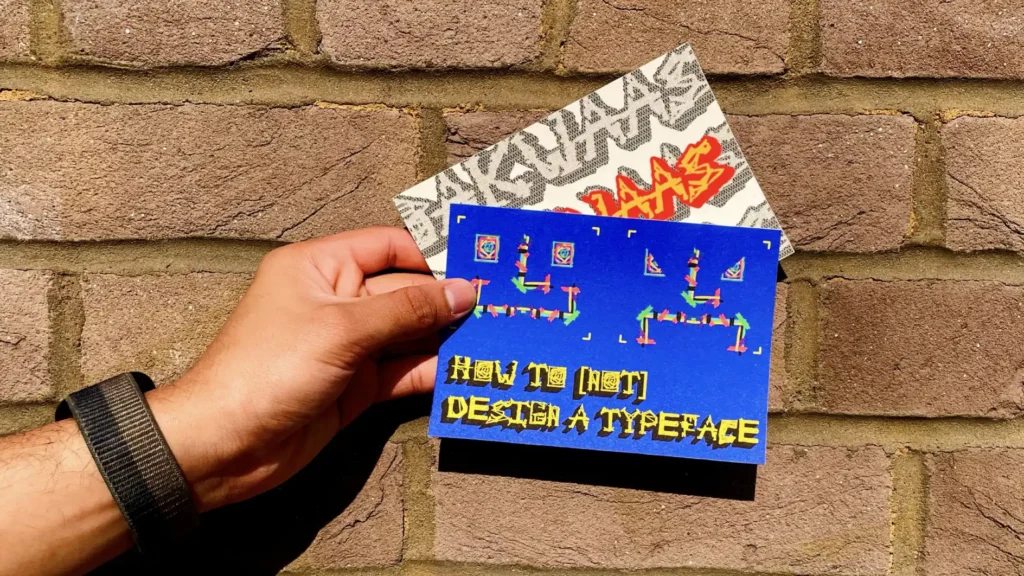
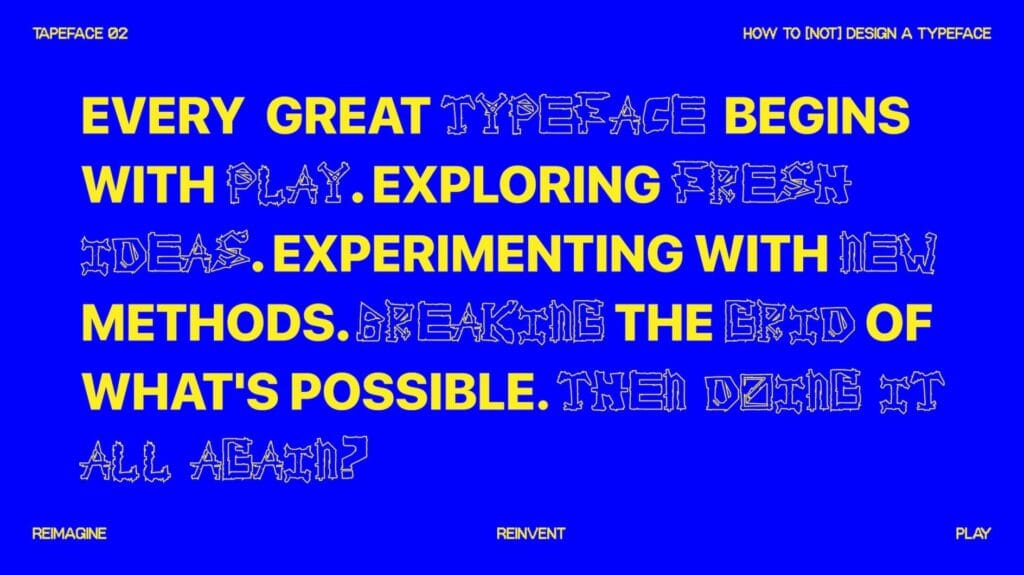
Beyond conventional typefaces featuring fixed final structures, Tapeface operates as living, evolving typography framework; a visual dialect collectively authored versus individually possessed. The project raises fundamental inquiries about authorship, ownership, and outcomes when typeface development prioritizes communal creation over individual perfectionism.
7. Aquavit by Felix Braden
Felix Braden’s Aquavit represents a display typeface fusing high-contrast sans-serif sharpness with vintage design warmth. Drawing inspiration from Art Nouveau movement’s organic structures, flowing contours, and expressive decorations, it balances cool refinement against handcrafted organic appeal.
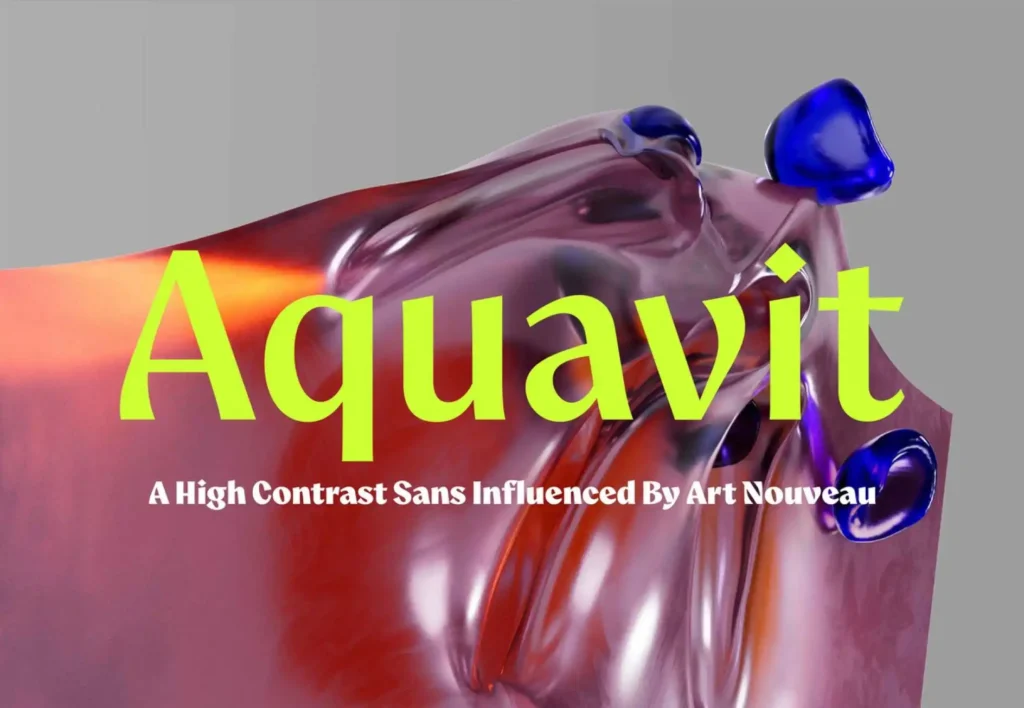
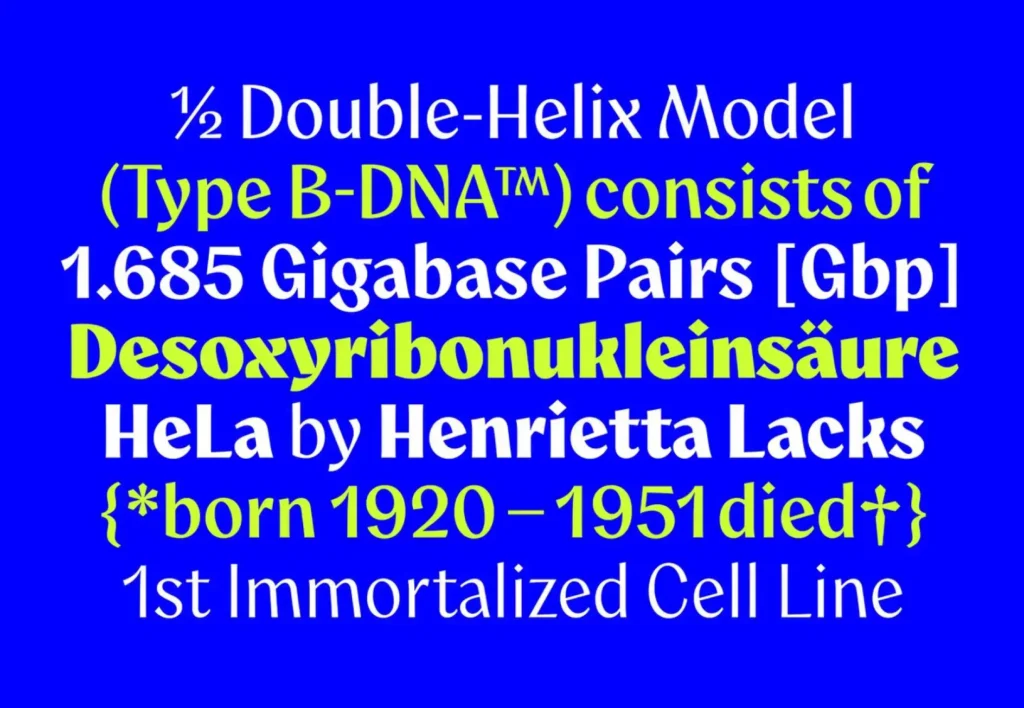
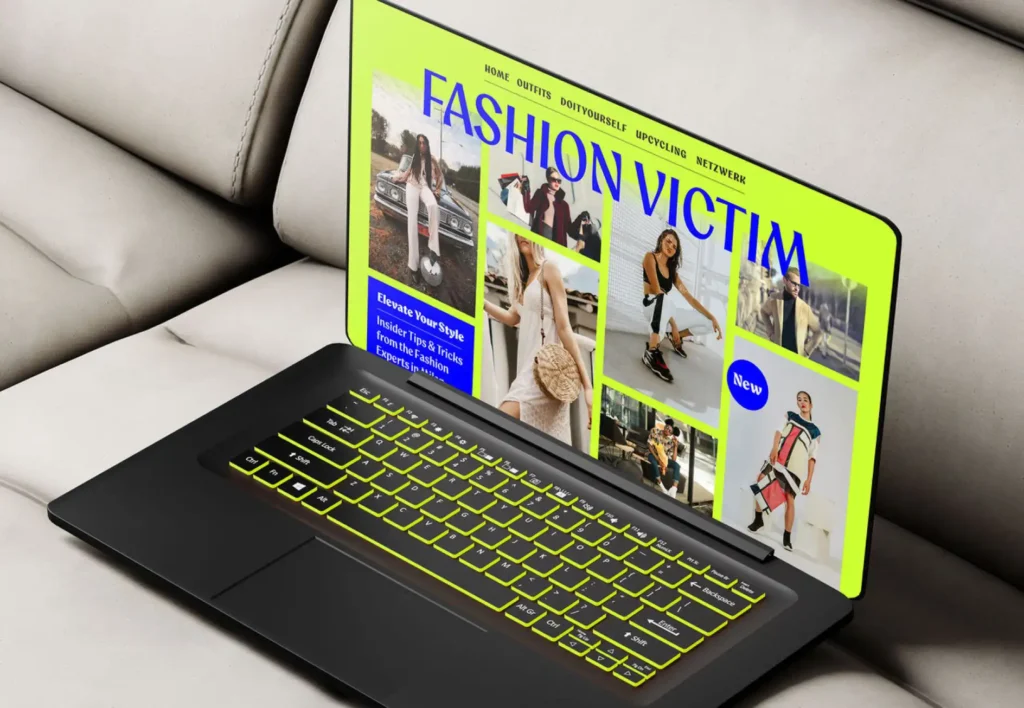
The typeface maintains functionality and readability even at reduced scales. Its marginally top-weighted construction with delicate calligraphic touches projects sophistication and elegance, positioning it as designers’ preferred choice for infusing projects with understated refinement.
Particularly suited for premium lifestyle applications—beauty, jewelry, fashion, music, gastronomy, beverage, interior design—contributing unmistakable authenticity and personality. More broadly, its distinctive non-conformist aesthetic serves alternative brands pursuing market differentiation.
8. Yuni Grotesque by Philipp Neumeyer and TypeMates
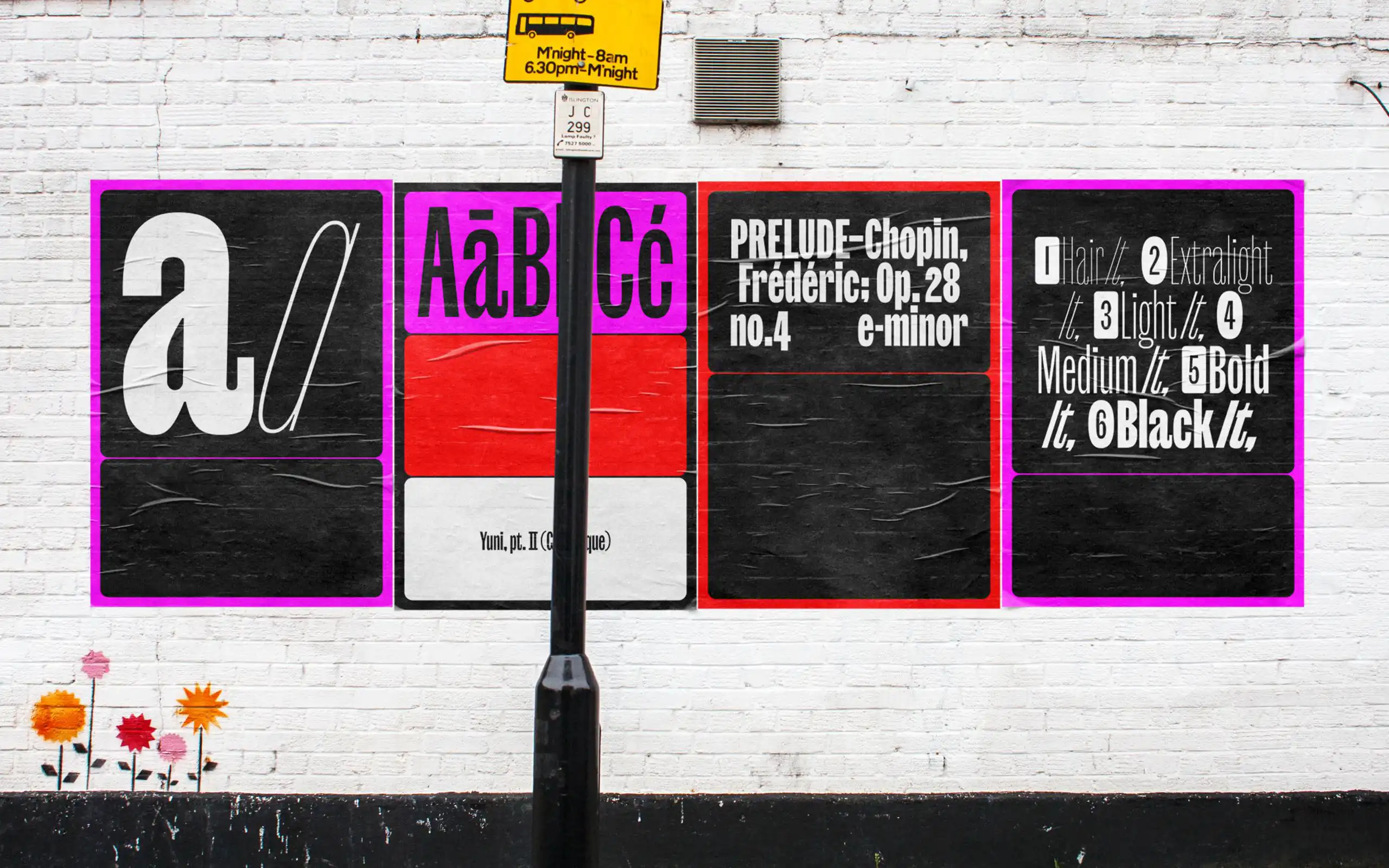
Yuni Collection’s second release, Yuni Grotesque by Philipp Neumeyer and TypeMates, positions beyond mere compressed sans or fragmented Yuni Slab relative. This represents, through their characteristic wit, “narrow sans serifs’ Samsara conclusion”. Curves demonstrate playfulness and suggestiveness. As weight progression transforms counters toward nearly-circular rounds, exterior curves adopt flatter trajectories. This synthesis generates what TypeMates labels “beautiful high-functioning foolishness bouquet”; a typeface balancing practicality with distinction.
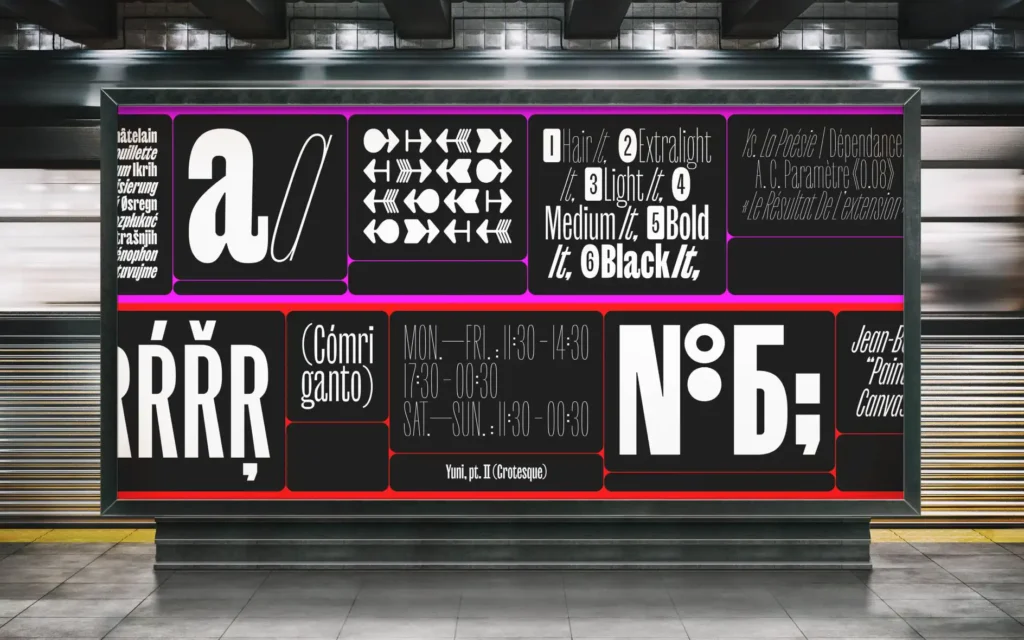
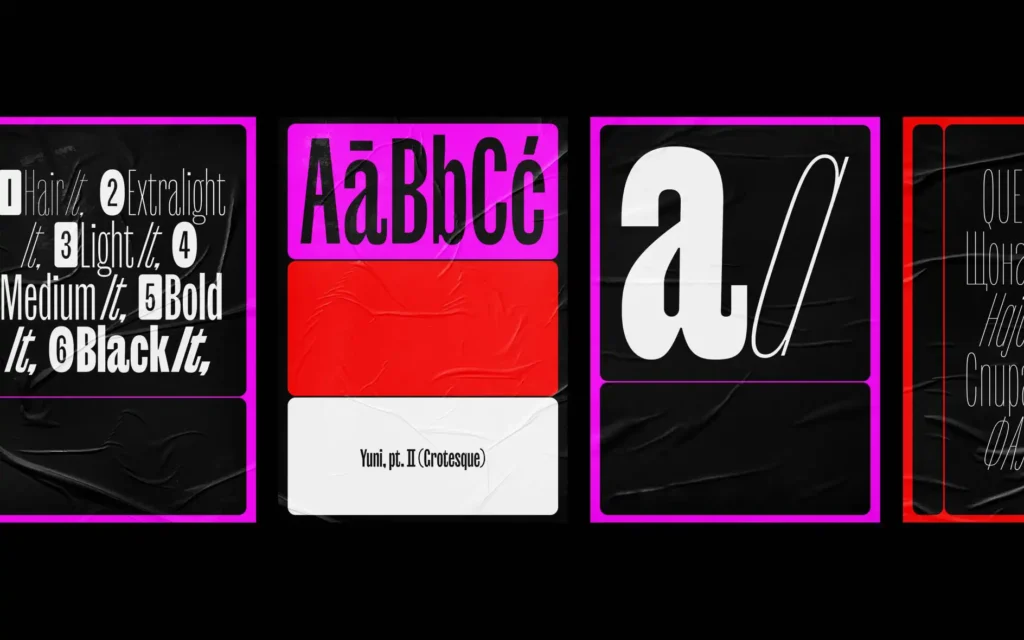
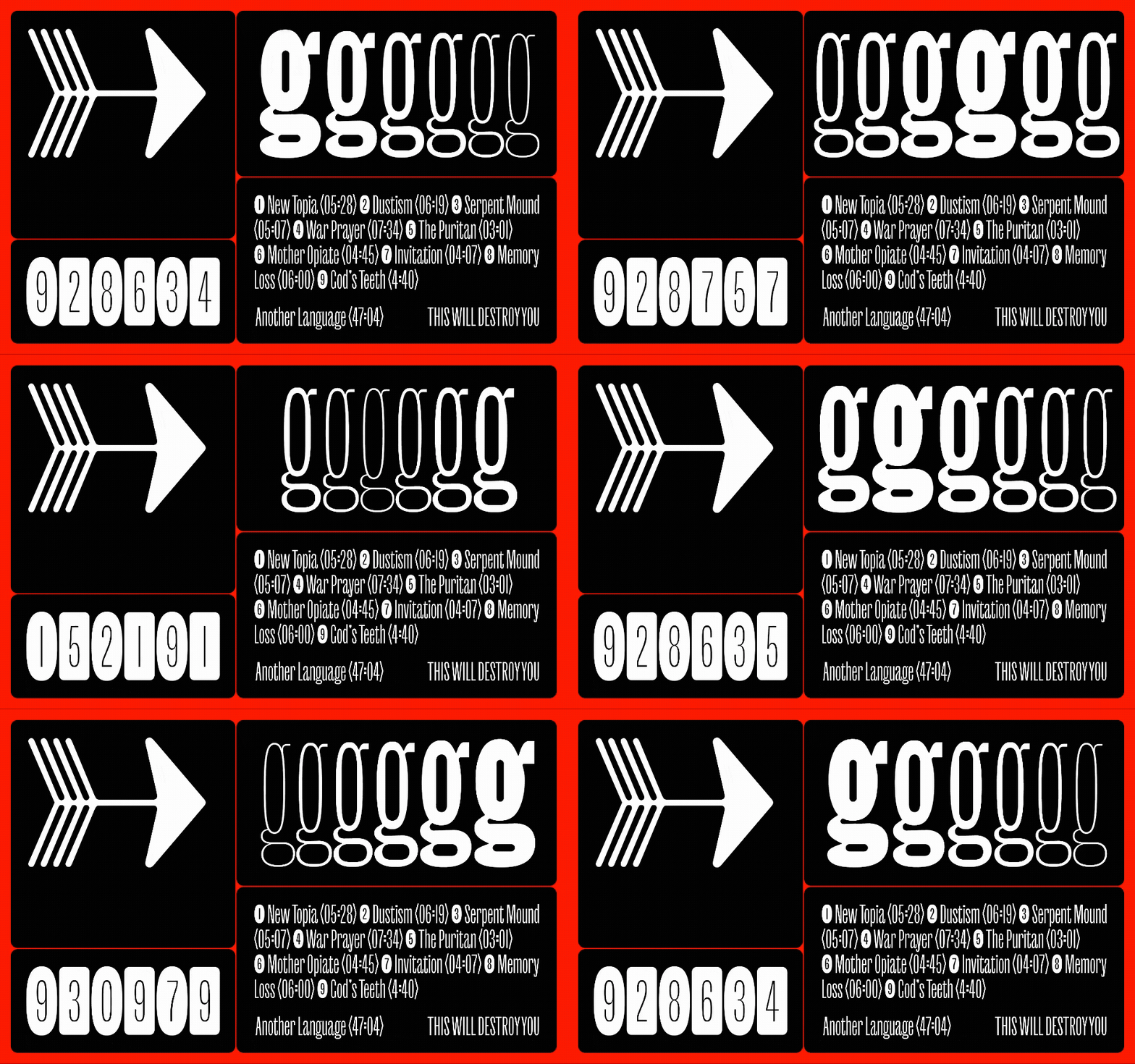
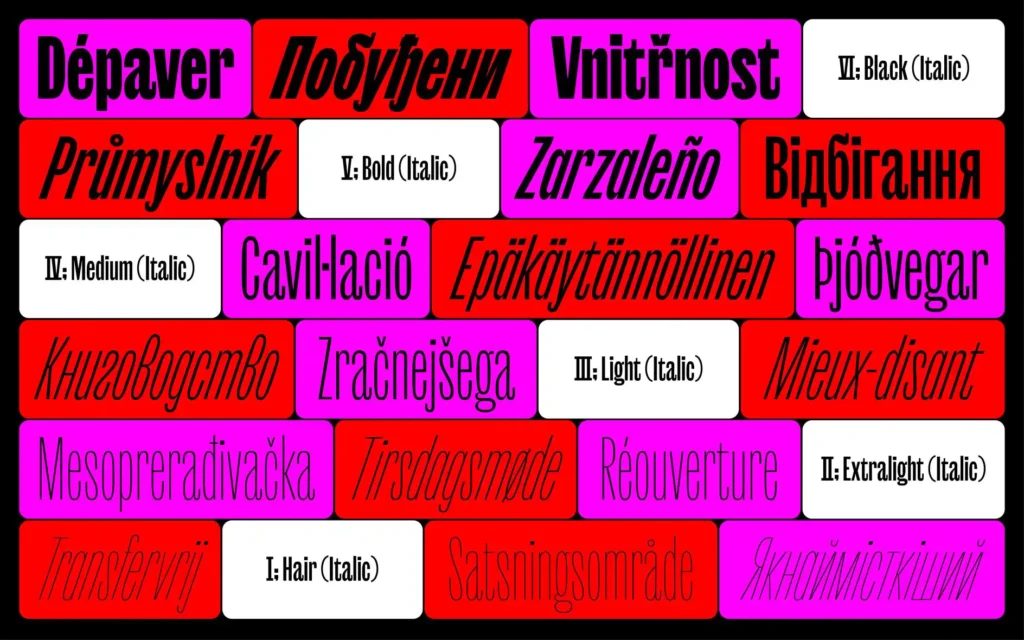
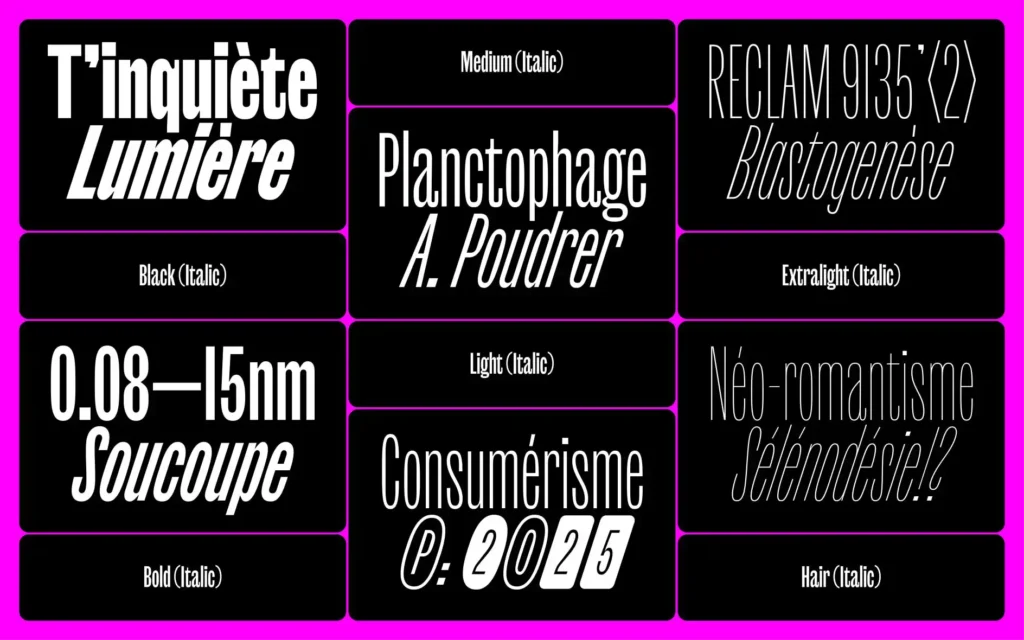
The six-weight progression—from delicate Hair through advantageous Medium to substantial sturdy Black—incorporates italic variants dramatically slanted at expressive 18° angles, conveying momentum and confidence. Exceeding 900 glyphs per style (encompassing native-approved Cyrillic and extensive Latin character collections supporting 270+ languages), Yuni Grotesque delivers dramatic accents, diverse figure sets (including circled variants), arrows, and OpenType capabilities like case-sensitive punctuation and contextual alternatives.
This typography design trends showcase suits anything commanding and substantial: complex branding systems, refined layouts, enormous cinematic titles, or inflatable event signage achieving orbital visibility.
9. Turia by Alberto Molina
Alberto Molina’s Turia examines vertical proportion as variable dimension. Essentially, individual characters expand or contract vertically, enabling type adaptation both visually and conceptually across diverse compositions. This chamfered all-caps typeface celebrates variation, experimentation, and deliberate imperfection through variable technology.
Named for Valencia’s river, the typeface fundamentally represents Molina’s hometown homage. Arriving in three preset heights (Short, Standard, Tall), plus variable version enabling dynamic individual character height manipulation. “I’ve perpetually gravitated toward condensed letterforms, those seemingly adapting to space versus dominating it,” Molina articulates.
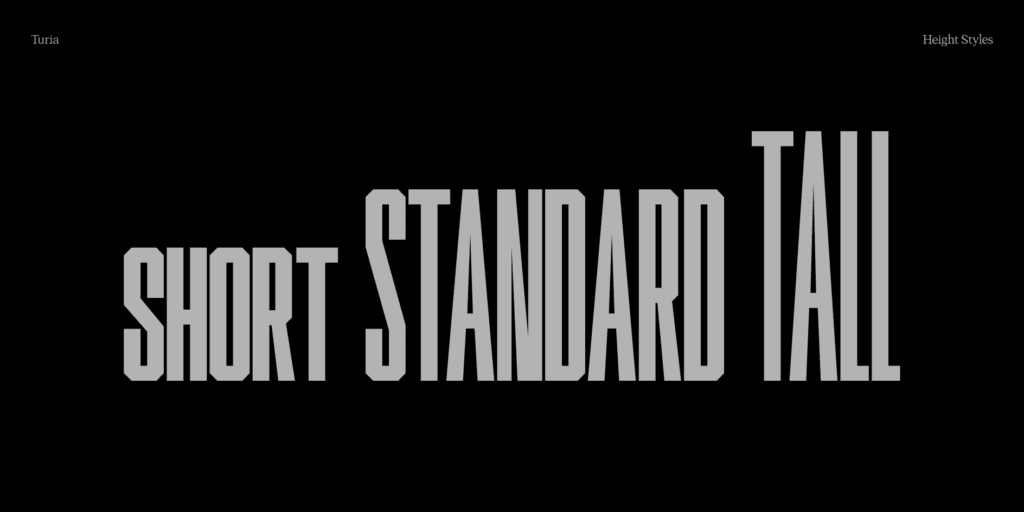
Furthermore, an interactive utility inspired by Talia Cotton’s and Dinamo’s experimental methodologies enables users exploring Turia’s variable characteristics and generating personalized compositions. “What captivates me most,” Molina elaborates, “involves its behavior combining different heights within words—providing text kinetic rhythmic quality.” Through advancing vertical variation toward boundaries, Turia transcends proposing novel visual texture: it invites designers conceptualizing type as movement, rhythm, transformation.
10. Pinokio by Tanguy Vanlaeys
Tanguy Vanlaeys’ creation for French foundry 205TF, Pinokio originated from narratives blending fantasy and reality toward developing hybrid typography; a chimera fusing geometric sans-serif discipline with slab serif structural strength.
Pinokio delivers multiple variants whose harmony reinforces through intentionally elementary construction. The sans version’s vertically sectioned diagonals permit serif emergence expanding progressively across four families: Sans, Petit, Moyen, Grand. This methodical approach generates multilayered typographic storytelling.
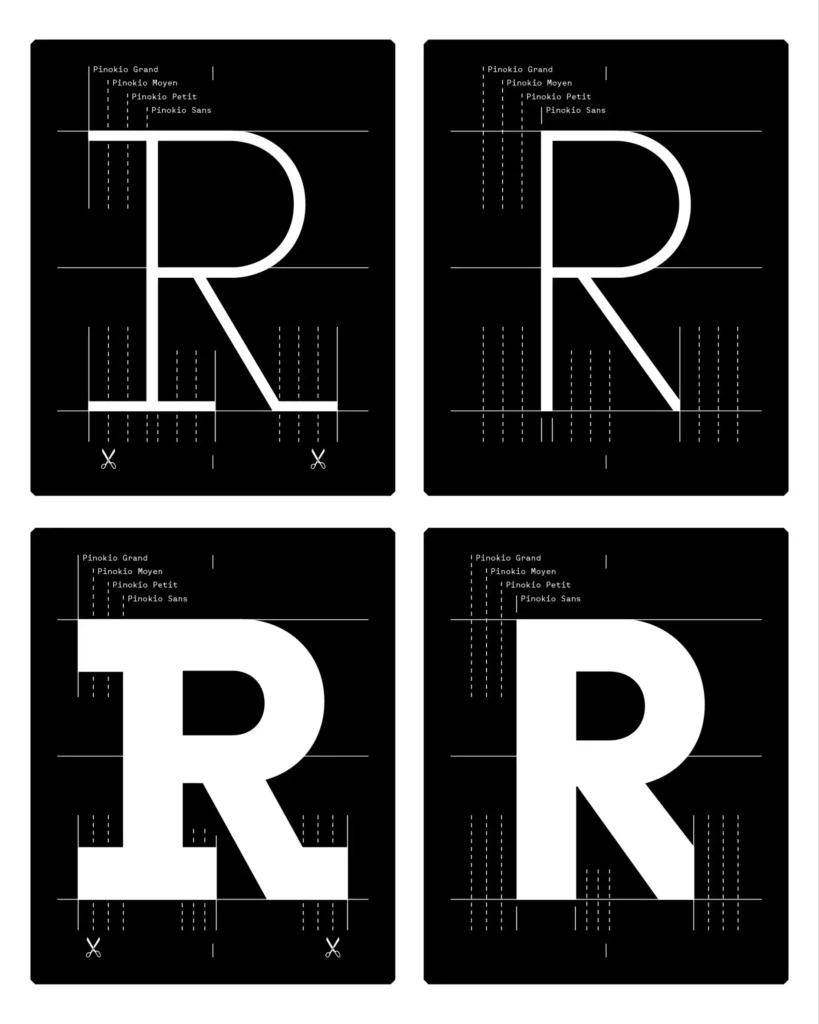
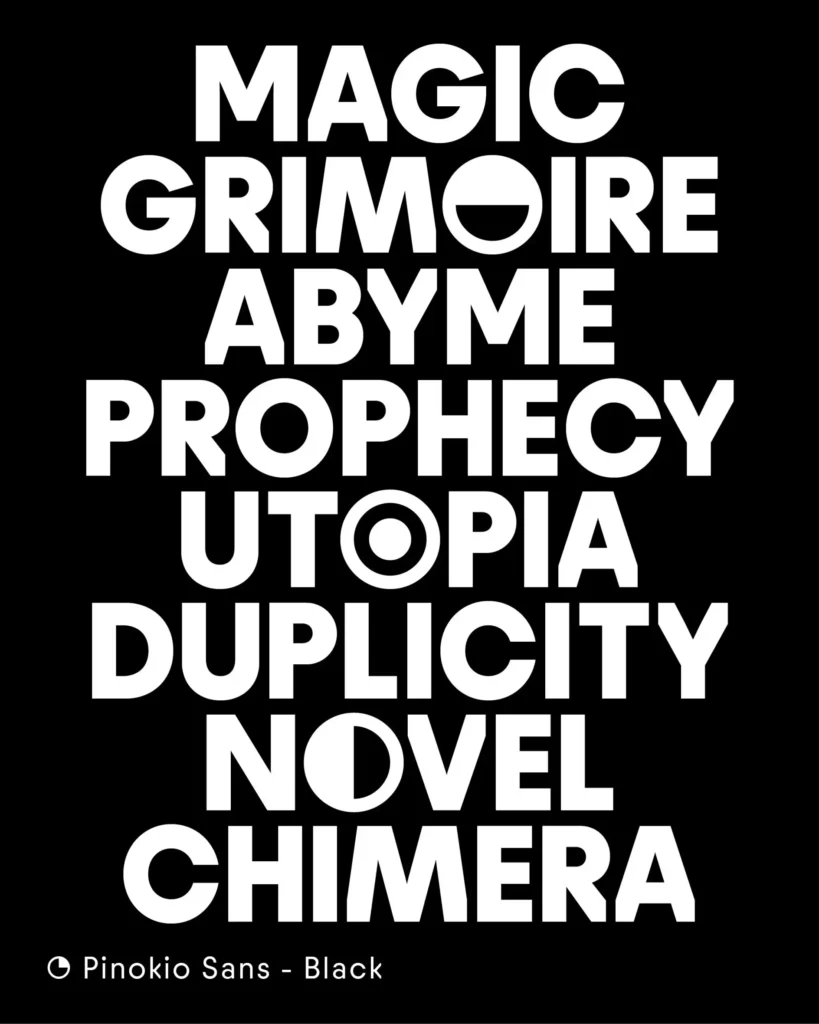
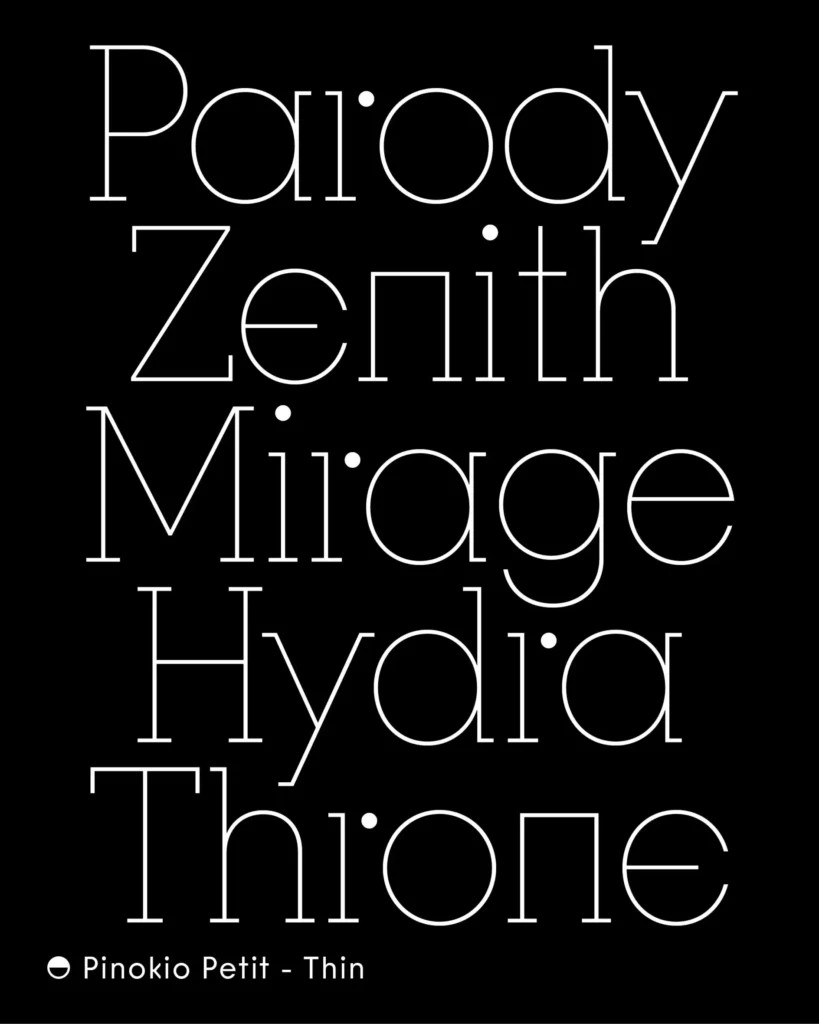
At larger scales, the typeface asserts presence, exposing multiple personalities through abundant stylistic variants. Bold design decisions might initially suggest display-only limitations, yet reduced scales reveal unexpected capacity for extended text setting with comprehensive typographic color spectrum.
11. ALT Erogenous by Eunice Su
Independent type designer Eunice Su’s creation released through ALT.tf, ALT Erogenous represents a bold display serif reconciling sharp contrast with alluring curvature. High-impact letterforms showcase pronounced stroke contrast, sensuous serifs, and powerful foundational structure—collectively generating visual tension and fascination.
The typeface resurrects lettering from Ingrid Bengis’ 1972 Combat in the Erogenous Zone cover; a publication examining female identity, liberation, and emotional complexity. Eunice characterizes Erogenous as “typographic response toward these emotional and societal complexities, methodology for visualizing internal friction and cultural examination through form.”
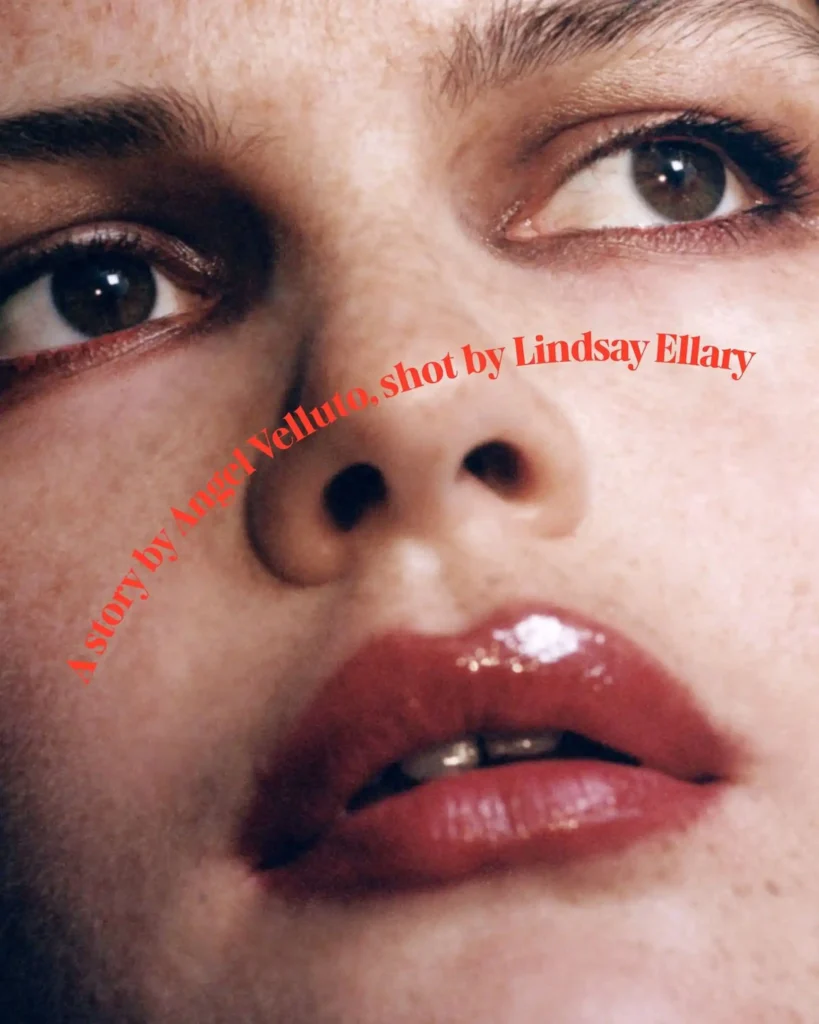
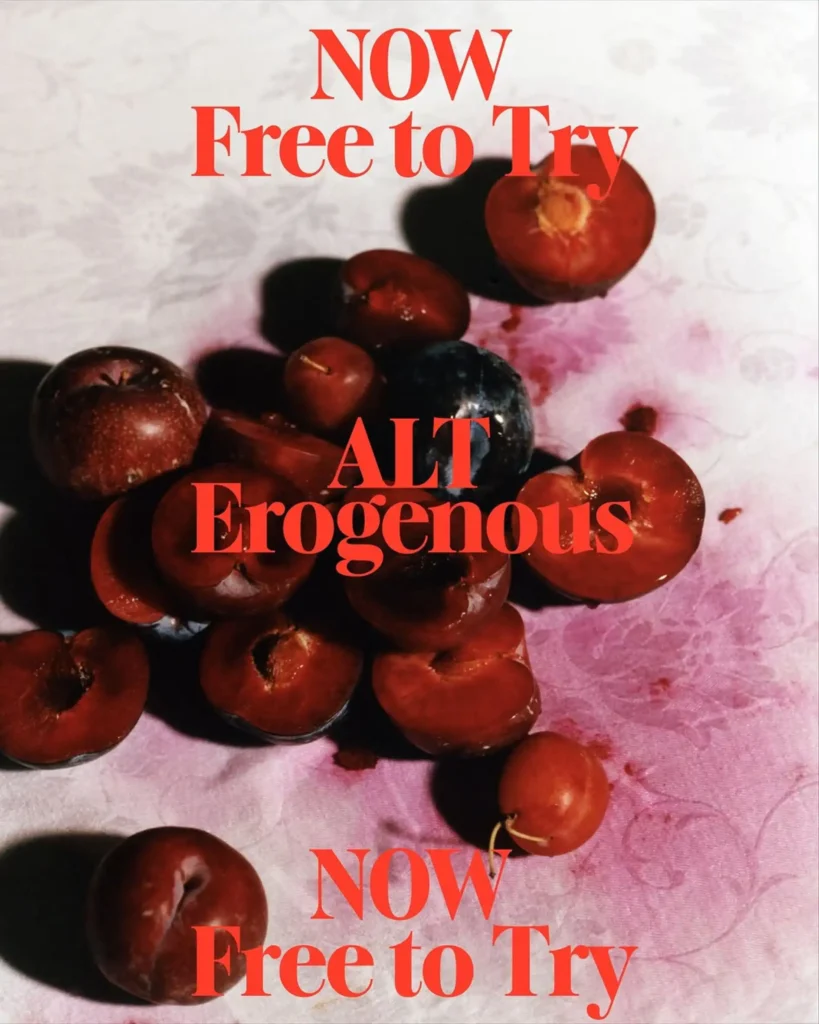
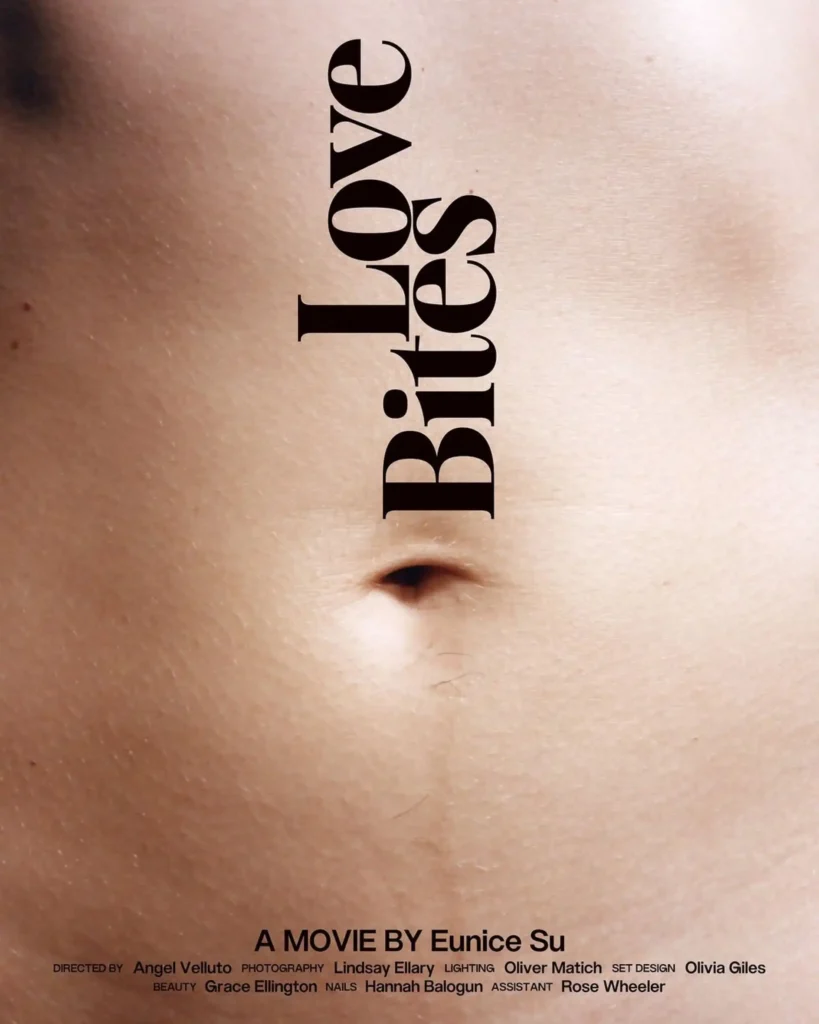
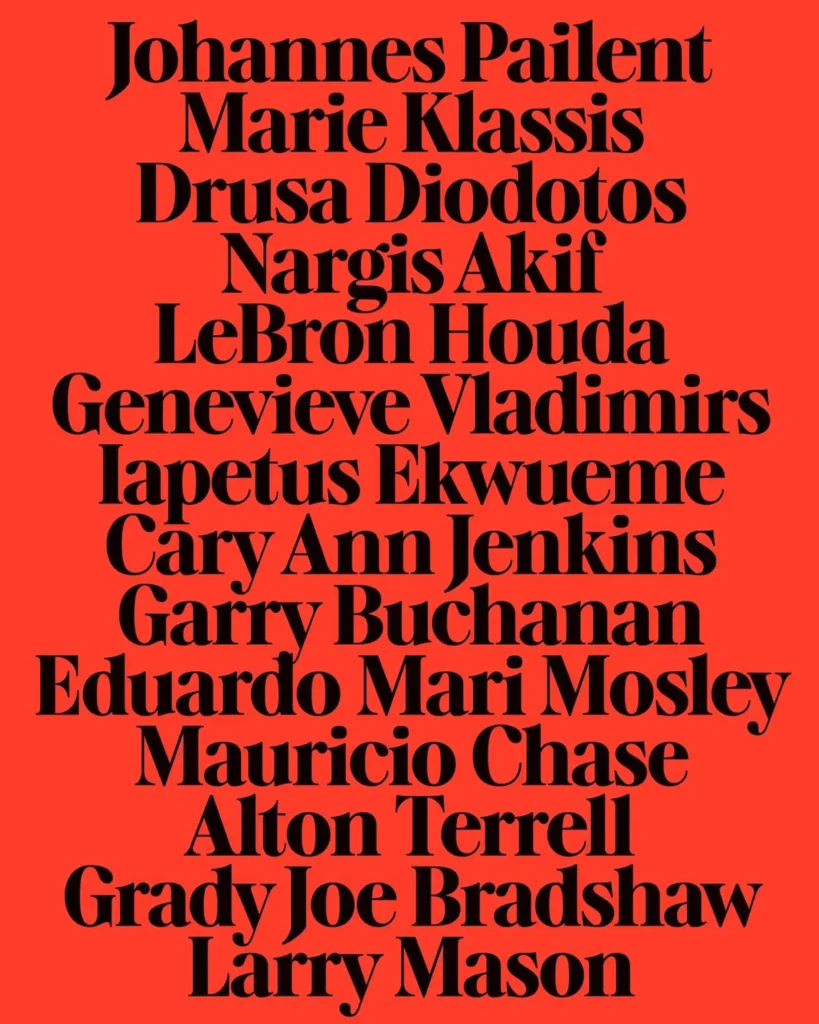
With 484 glyphs supporting 219 Latin languages, including comprehensive Latin 1 & Extended-A coverage plus 95% Latin Plus support, ALT Erogenous demonstrates display typefaces’ capacity carrying conceptual significance while maintaining technical sophistication. The design commands attention through calculated provocation, proving especially appropriate for projects demanding bold visual declarations grounded in cultural discourse.
12. Ramboia by Rui Abreu and Catarina Vaz
From Rui Abreu and Catarina Vaz at R-Typography Type Foundry, Ramboia delivers a spirited, joyful French Old-Style tradition interpretation. Fusing accessibility with sophistication, this five-weight collection constructs entirely from loose, flowing curves excluding angles, generating smooth, relaxed sensation.
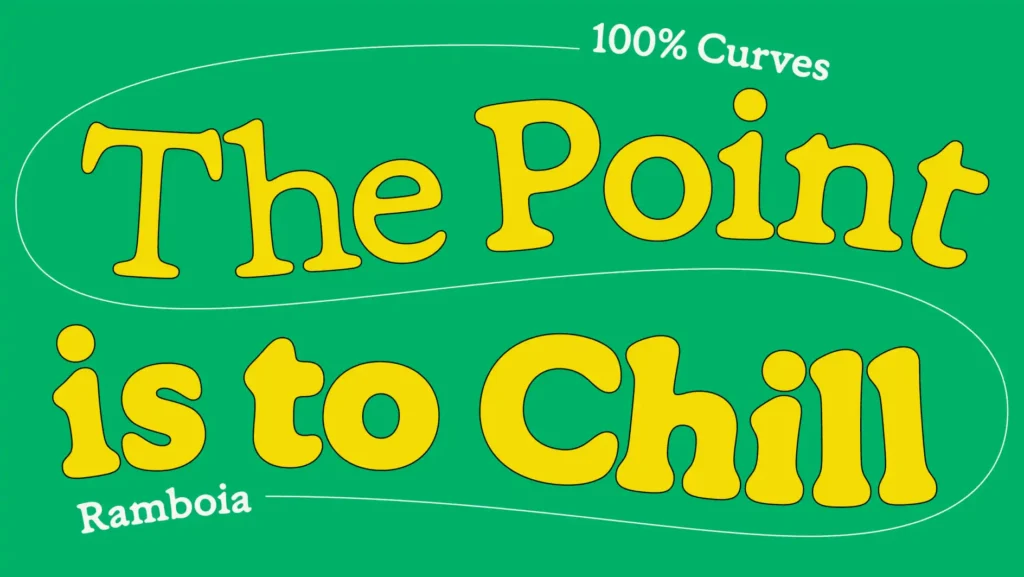
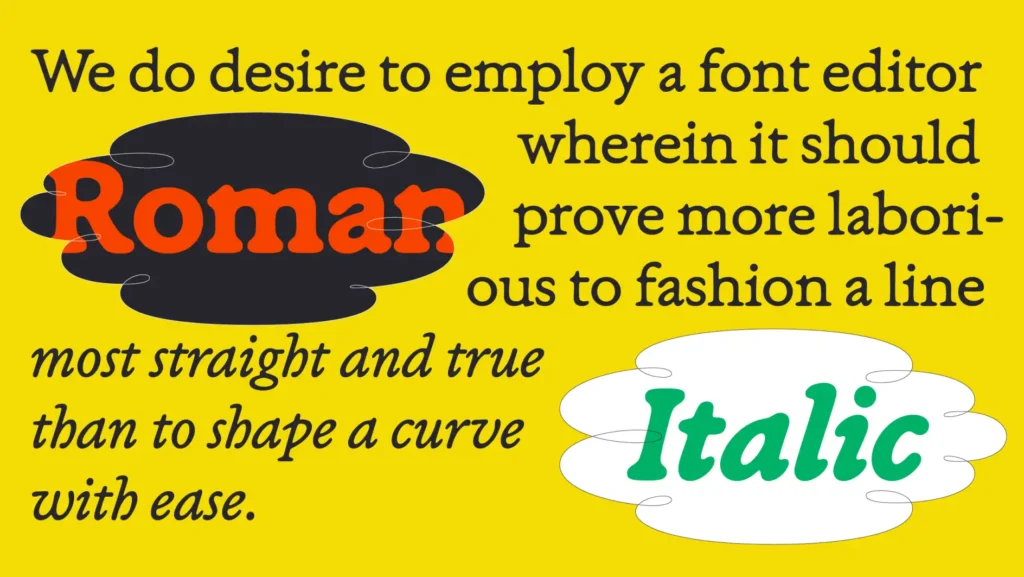
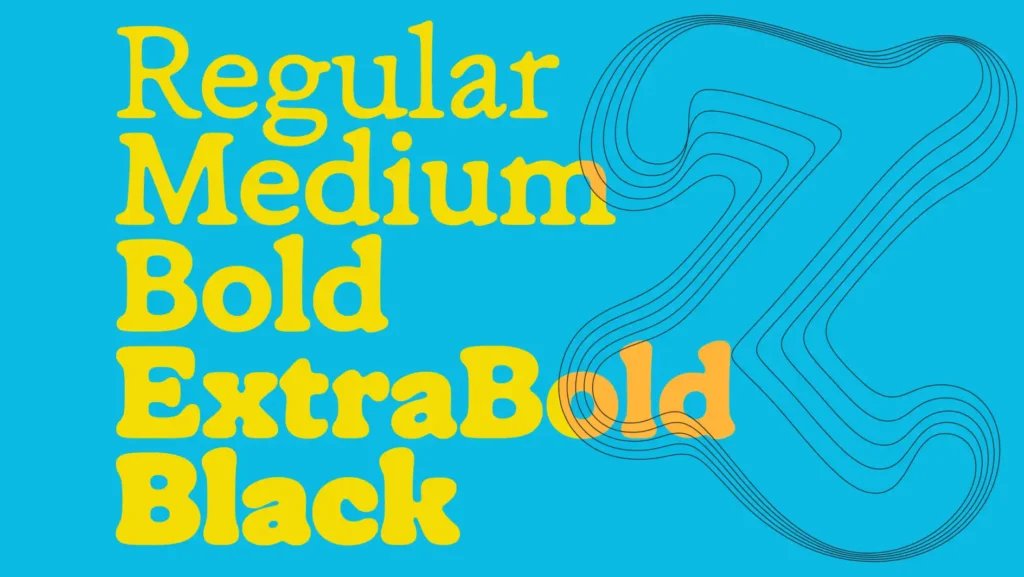
Recently awarded TDC 2025 Certificate of Excellence, Ramboia’s character manifests through angular construction rejection favoring continuous curvature. This grants the typeface organic, approachable quality while preserving oldstyle tradition sophistication expectations. This equilibrium proves especially suited for projects demanding warmth and personality without compromising elegance or legibility.
Conclusion: The Future of Typography Design Trends
December 2025’s releases confirm typography persists as dynamic, evolving discipline. From variable font technical innovations through collective authorship conceptual investigations, these twelve typefaces represent diverse contemporary approaches designers employ advancing letterform design boundaries. Whether pursuing practical corporate branding solutions or experimental creative expression instruments, this month’s releases present abundant possibilities for designers committed toward typographic excellence.
Looking for expert support in branding, design, or packaging? Discover how Brandlic turns creative ideas into powerful brand experiences. Explore our services →