The fonts shaping brand identities this year from timeless workhorses to bold new arrivals.
Typography is one of the most revealing decisions a designer makes. Ask a creative professional which font they admire and you’ll get a thoughtful answer. Ask which one they actually open a new project with, and you’ll learn something far more honest. That distinction between what inspires and what works is exactly what makes type choices so interesting in 2026.
This year’s landscape is not defined by a single trend. There’s a quiet pull in two directions: on one side, the enduring appeal of neutral, reliable grotesques that get out of the way and let the brand do the talking. On the other, a growing appetite for typefaces with genuine personality fonts that carry texture, cultural weight, and a point of view. The 15 typefaces below reflect both tendencies. They’re the ones the design community keeps returning to, project after project.
1. Helvetica
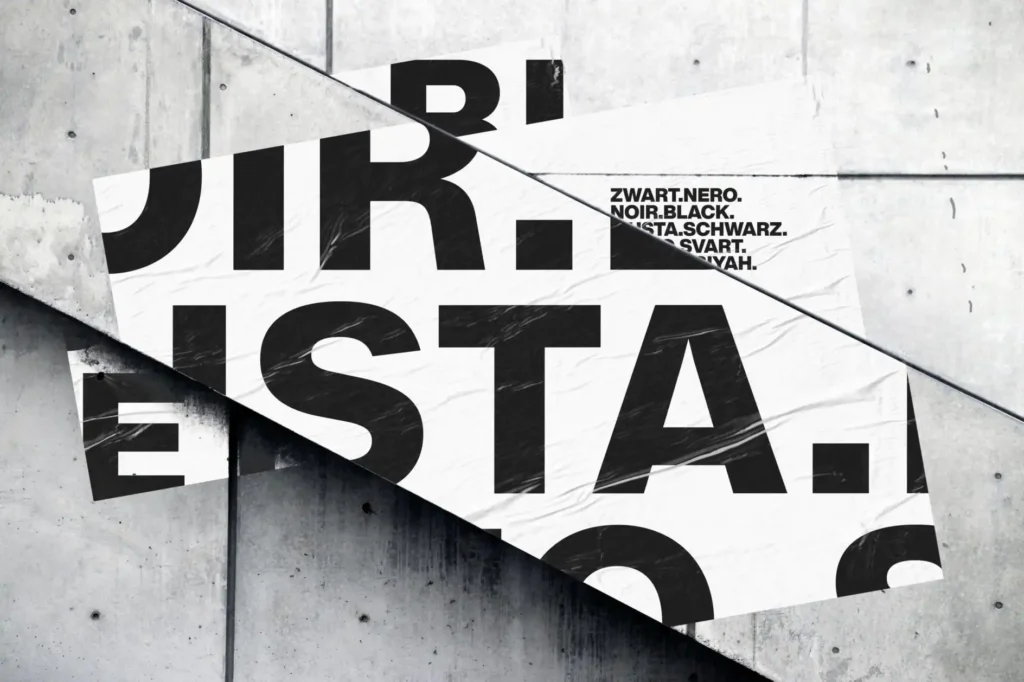
No conversation about the best fonts for branding 2026 begins without this one. Helvetica has topped designer surveys for decades, and its position remains unchallenged. Critics call it safe. Devotees call it smart. Both are right. Its neo-grotesque construction designed in Switzerland in 1957 by Max Miedinger and Eduard Hoffmann strips away personality in favour of pure function. For brands that need to communicate authority without noise, that neutrality is the entire point. Monotype’s updated release introduced optical sizing for micro, text, and display contexts, making it as relevant for digital interfaces today as it was for print decades ago.
2. Poppins
Geometric, generous, and free Poppins has become one of the most downloaded typefaces on Google Fonts for very good reason. Designed by Ninad Kale and Jonny Pinhorn at the Indian Type Foundry, its near-uniform stroke widths and wide proportions give it a warmth that geometric fonts often lack. It spans languages too, supporting both Latin and Devanagari scripts. Whether it’s a fintech app, a lifestyle startup, or a non-profit campaign, Poppins rarely feels out of place. For independent studios and early-stage brands managing budgets carefully, it’s one of the strongest free options available.
3. Futura
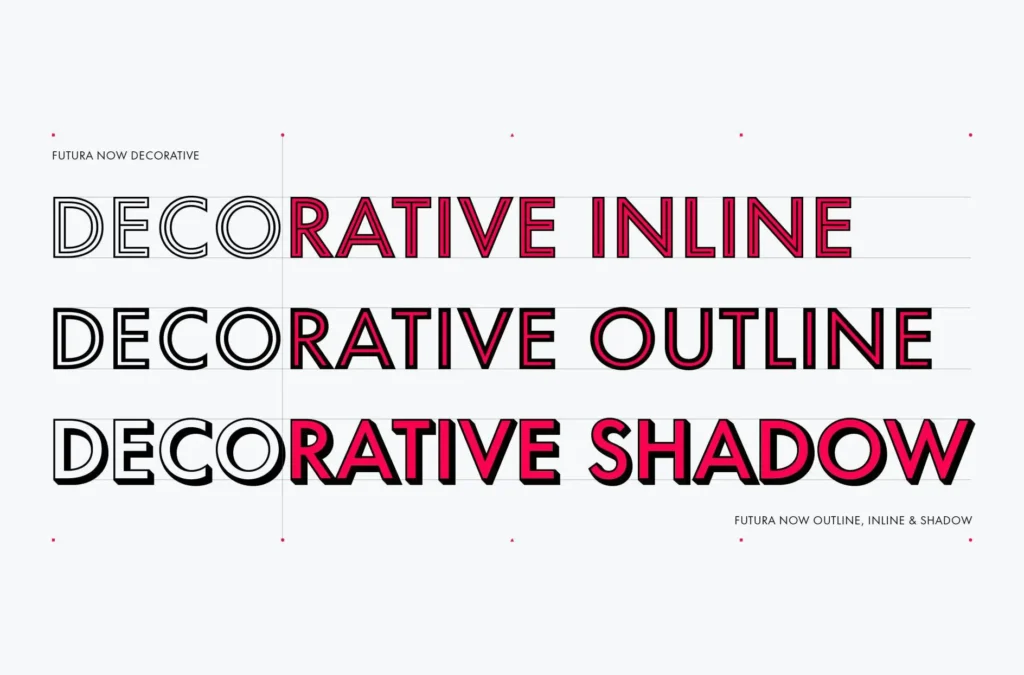
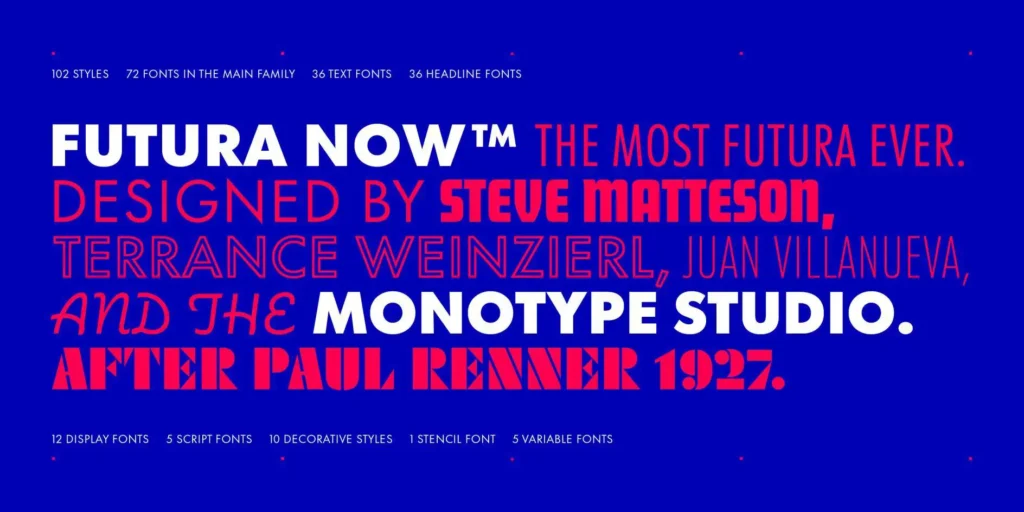
Almost a century old and still one of the most relevant typefaces designers use in 2026. Paul Renner’s 1927 geometric masterpiece was built on the Bauhaus principle that form follows function circles, triangles, and straight lines arranged with mathematical precision. That geometric authority has made it the font of choice for brands ranging from Louis Vuitton to Nike. Its low x-height gives headlines an elegance that few geometric sans serifs can match. Like Helvetica, it has received a modern optical update through Monotype’s Futura Now release, preserving its character while expanding its range.
4. Inter
If there is one typeface that has genuinely earned the label of “modern classic” since its 2017 release, Inter is it. Designed by Rasmus Andersson specifically for screen legibility, it features a tall x-height, open letterforms, and ink traps at small sizes that improve readability in complex UI environments. Available as a variable font and completely free, it consistently ranks among the most-used fonts on Google Fonts globally. Its presence alongside Helvetica and Futura says something significant: Inter has crossed from utility tool to design staple.
5. Inclusive Sans
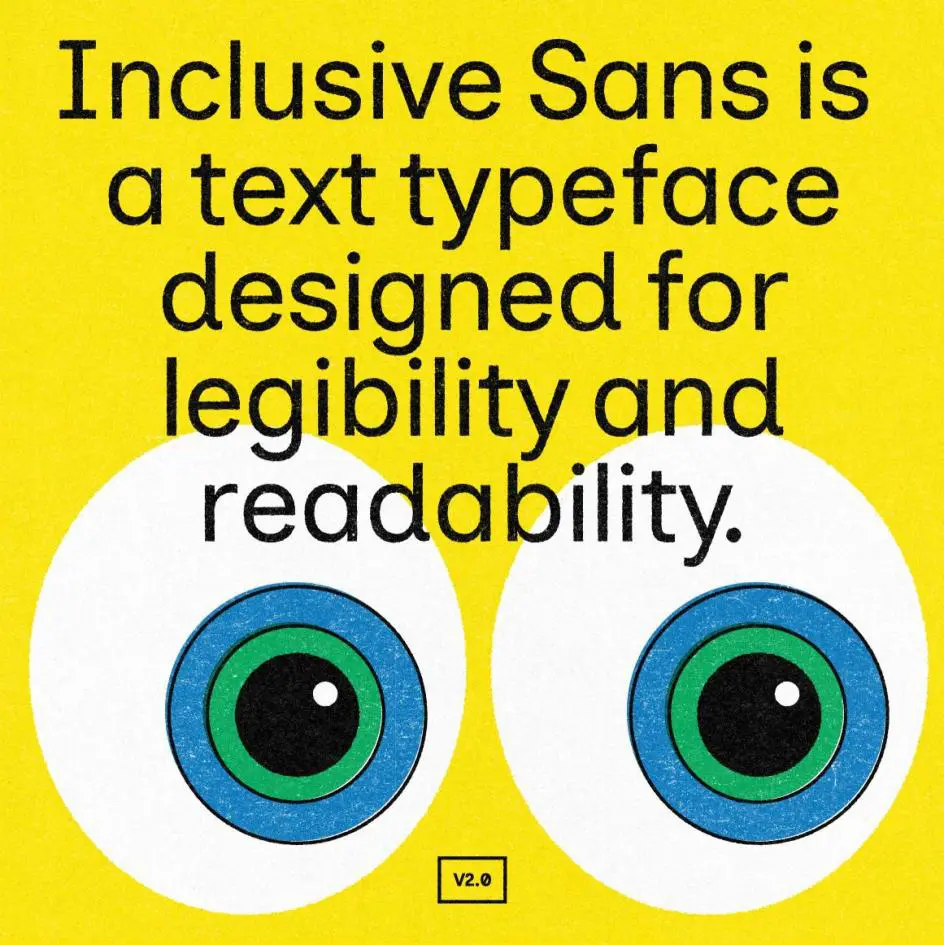
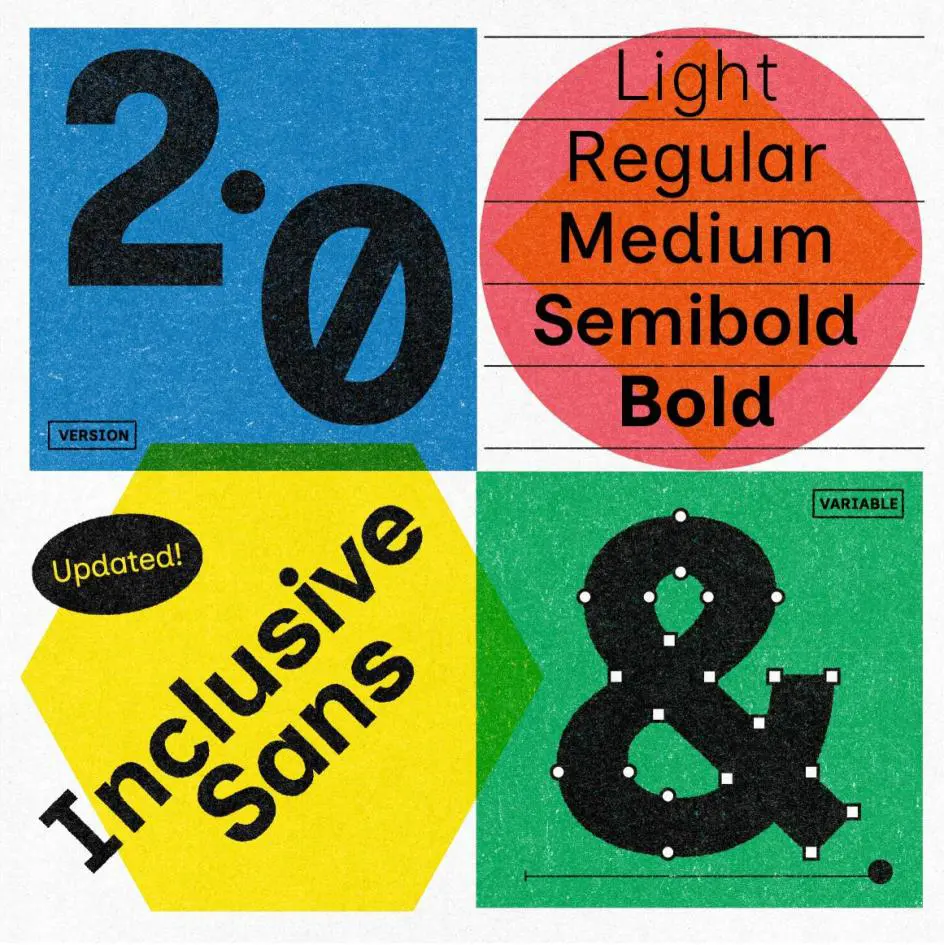
One of the more meaningful entries on this list. Inclusive Sans, designed by Australian type designer Olivia King and released as a fully variable font in 2025, was built around real accessibility research. Its letterforms avoid mirroring that can confuse readers with dyslexia, its counters are wide and open, and its spacing is generous enough to support neurodiverse readers and those with visual impairments. What makes it notable for brand typography specifically is that it achieves all of this without looking like a compromise. It reads as a confident, contemporary neo-grotesque one that happens to be designed for everyone.
6. Avenir
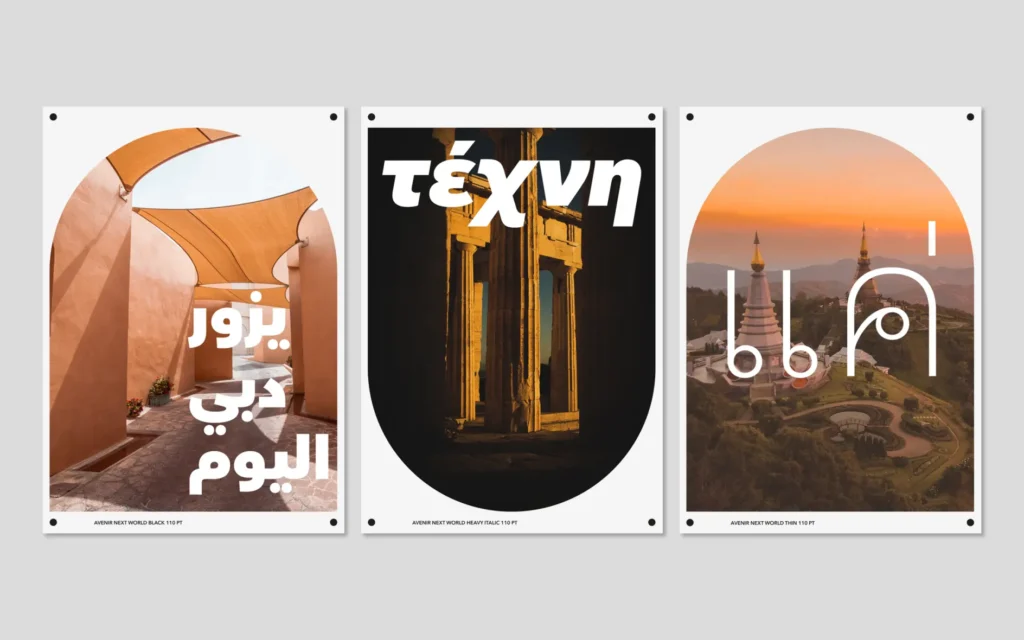
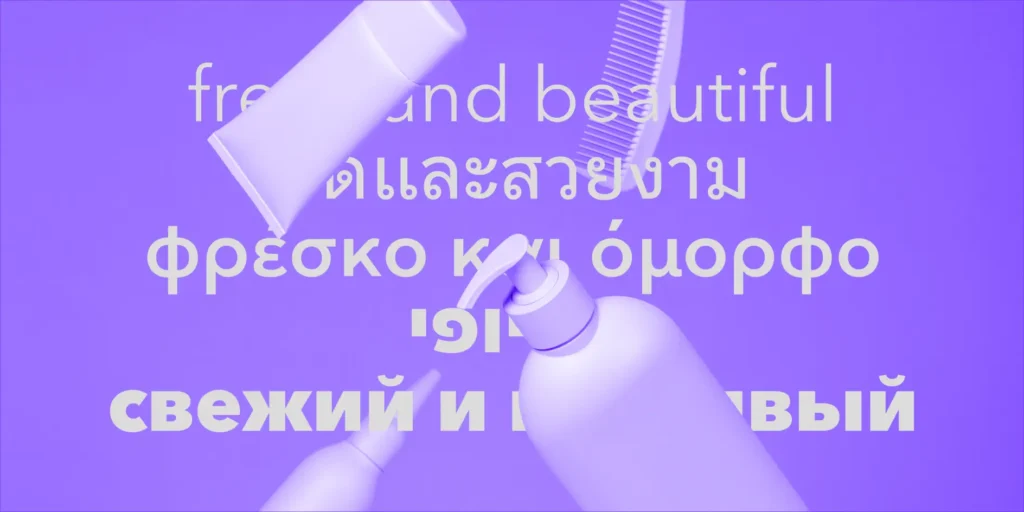
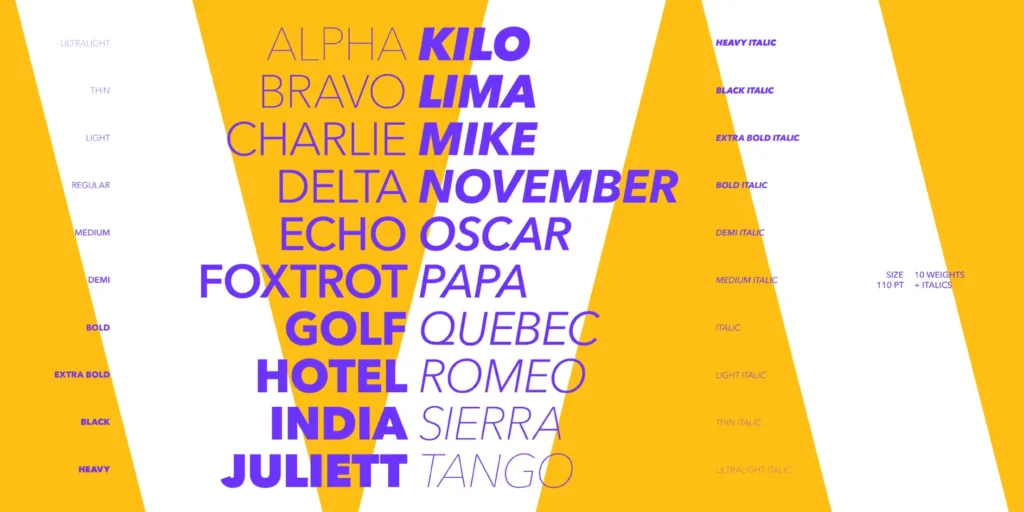
Adrian Frutiger considered this his finest work, and the design community has largely agreed for nearly four decades. Avenir takes the circular foundations of Futura but introduces subtle humanist corrections slightly thickened strokes, more varied proportions that make it noticeably warmer and more comfortable across longer text. It has been embedded in Apple’s operating systems since 2012, has served as Amsterdam’s corporate typeface, and sits at the core of identities for Disney+, Bloomberg, and Snapchat. The 2025 Avenir Next World expansion added support for over 150 languages and scripts, making it one of the most internationally capable typefaces available.
7. Open Sans
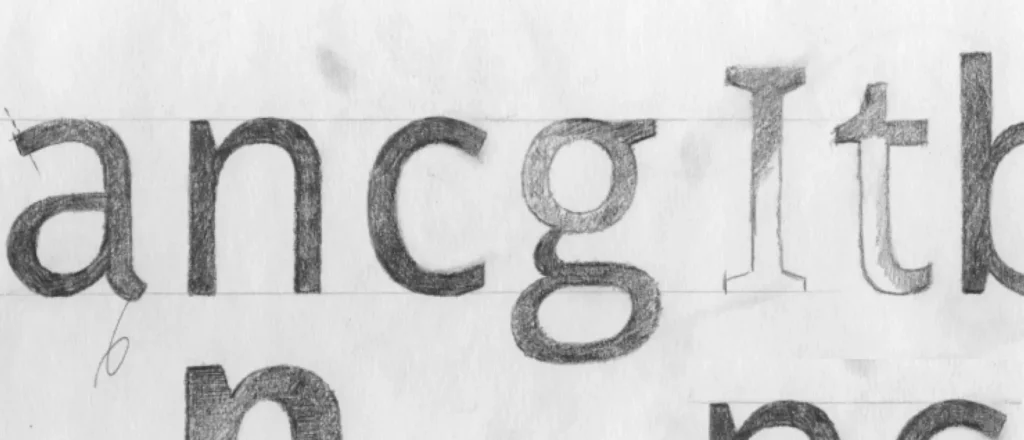
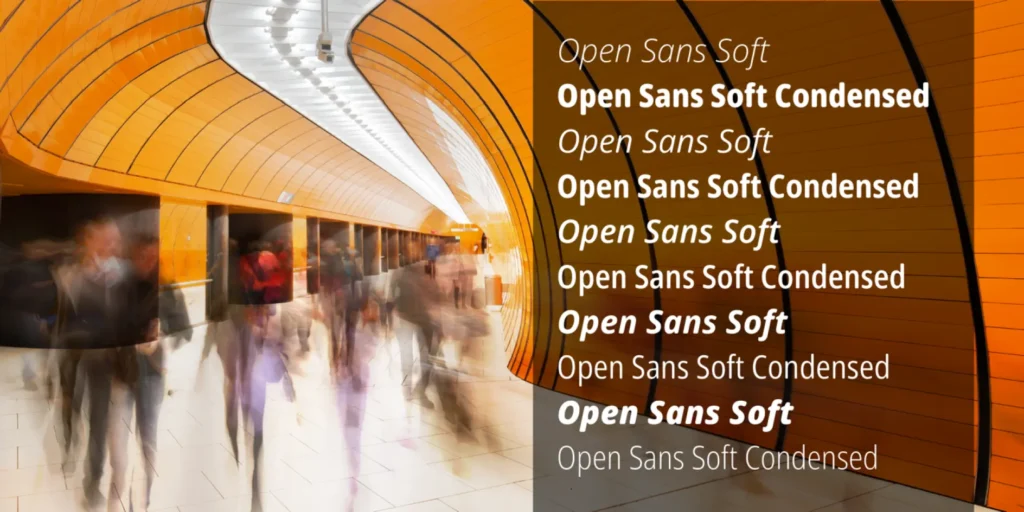
Over a decade after its release, Steve Matteson’s humanist sans-serif continues to be one of the most widely deployed typefaces on the internet. It lacks the design prestige of some entries on this list, but that has never been the point. Open Sans succeeds because it is reliably clear, broadly compatible, and genuinely neutral without being cold. Its wide apertures and large x-height make it an excellent body typeface for web interfaces the kind of font that keeps readers comfortable without drawing attention to itself.
8. Druk
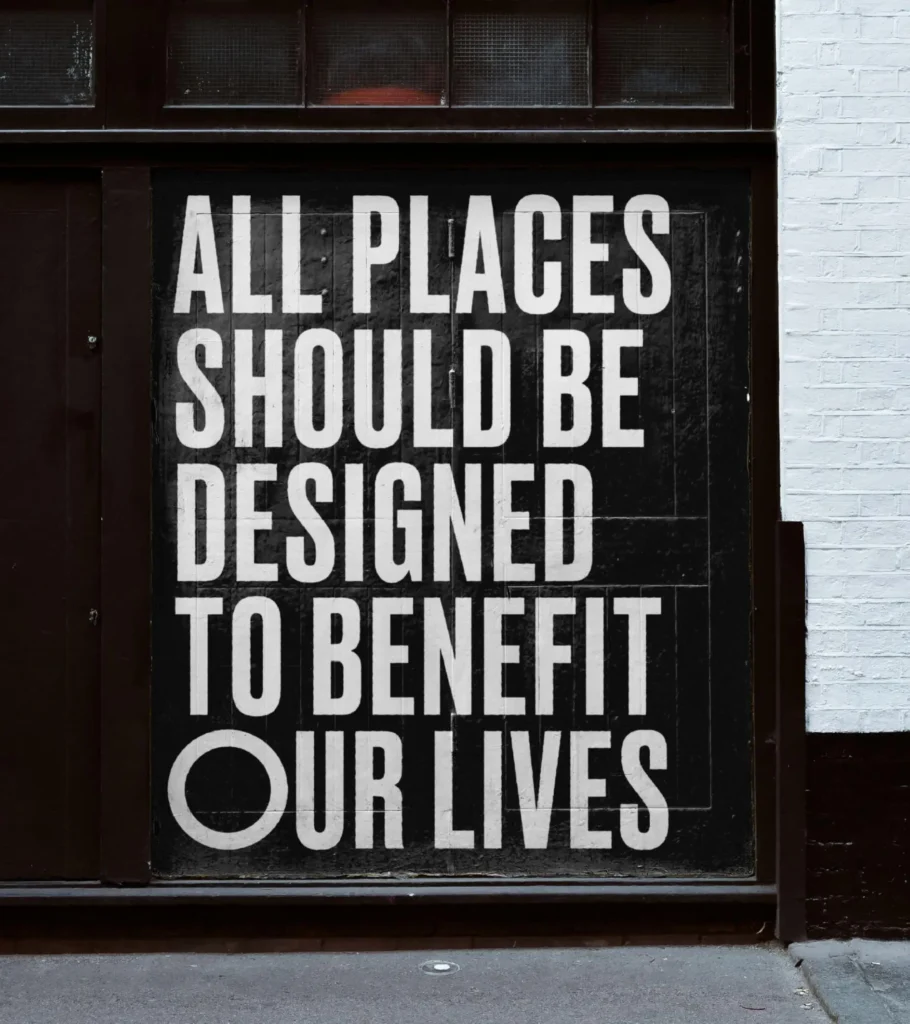
Berton Hasebe’s ultra-condensed display family sits at the opposite end of the design spectrum from Open Sans. Originally developed for Bloomberg Businessweek, Druk was built to occupy space aggressively it starts at Medium weight and only goes heavier from there. Inspired by the graphic power of Barbara Kruger’s typographic work and the tight headline culture of mid-century editorial design, it has become one of the most recognisable display typefaces in editorial and brand design. In a sea of restrained grotesques, its blunt graphic presence still cuts through instantly.
9. Cooper Black
This rounded, deeply warm display face from 1922 is about as far from mechanical minimalism as typography gets and that is precisely why it keeps appearing in contemporary branding. Oswald Bruce Cooper designed it with soft, swelling curves that feel tactile and analogue in a way that modern geometric fonts rarely achieve. In an era dominated by clean, polished visual systems, brands choosing Cooper Black are making a deliberate statement: that warmth, approachability, and a degree of irreverence are brand values worth communicating through type.
10. Roboto
Google’s default neo-grotesque has a ubiquity that borders on invisibility which, for a body typeface, might actually be a strength. Designed by Christian Robertson and launched with Android 4.0, Roboto combines a mechanical structure with deliberately open, friendly curves. Its nominations here reflect less about designers choosing it as a creative statement and more about how deeply embedded it has become in daily design life powering Google Maps, YouTube, and Android interfaces worldwide. It is a typeface that most people have encountered thousands of times without realising it.
11. Bricolage Grotesque
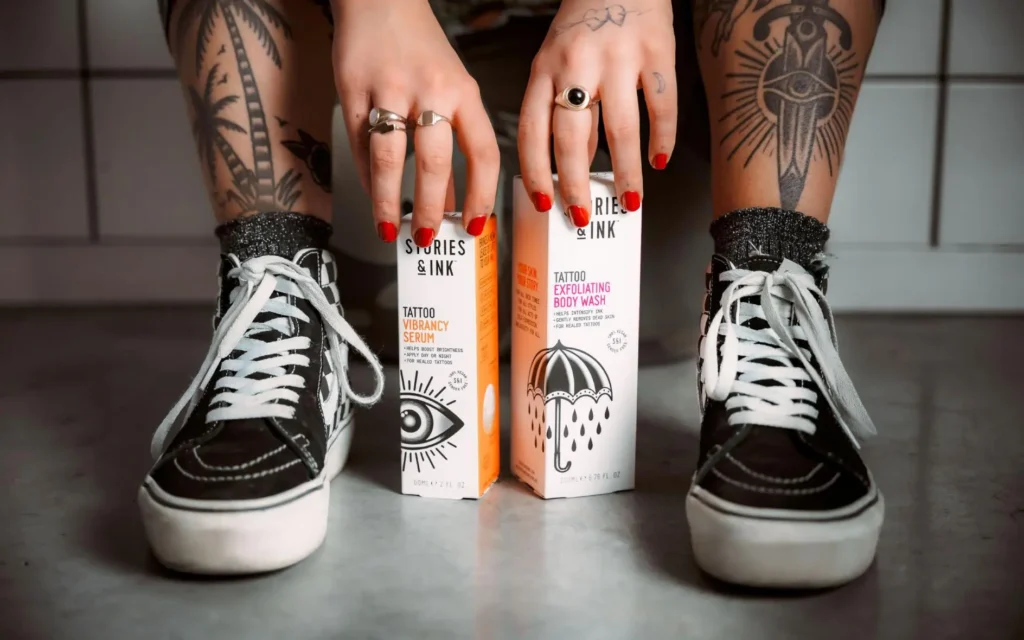
One of the more characterful entries on this list, Bricolage Grotesque by Mathieu Triay draws from the compressed energy of early grotesque typefaces and adds exaggerated ink traps that become expressive details at display sizes. Available free through Google Fonts, it sits in an interesting space: technically a grotesque, but one with enough texture and personality to function almost as a display face. For brands that want the structural reliability of a grotesque without the visual blandness, it offers a compelling middle ground.
12. Degular
James Edmondson of OH no Type Co set out to design something deliberately unremarkable a grotesque as quietly competent as the hand-lettered signage outside a local restaurant. The irony, which Edmondson himself acknowledges, is that removing personality from a typeface requires so many considered decisions that personality inevitably creeps back in. Degular is the result: a quality grotesque with none of Helvetica’s cultural baggage and all of a well-made workhorse’s reliability. For studios building professional brand typography systems that need to feel current without feeling trend-chasing, it is a strong option.
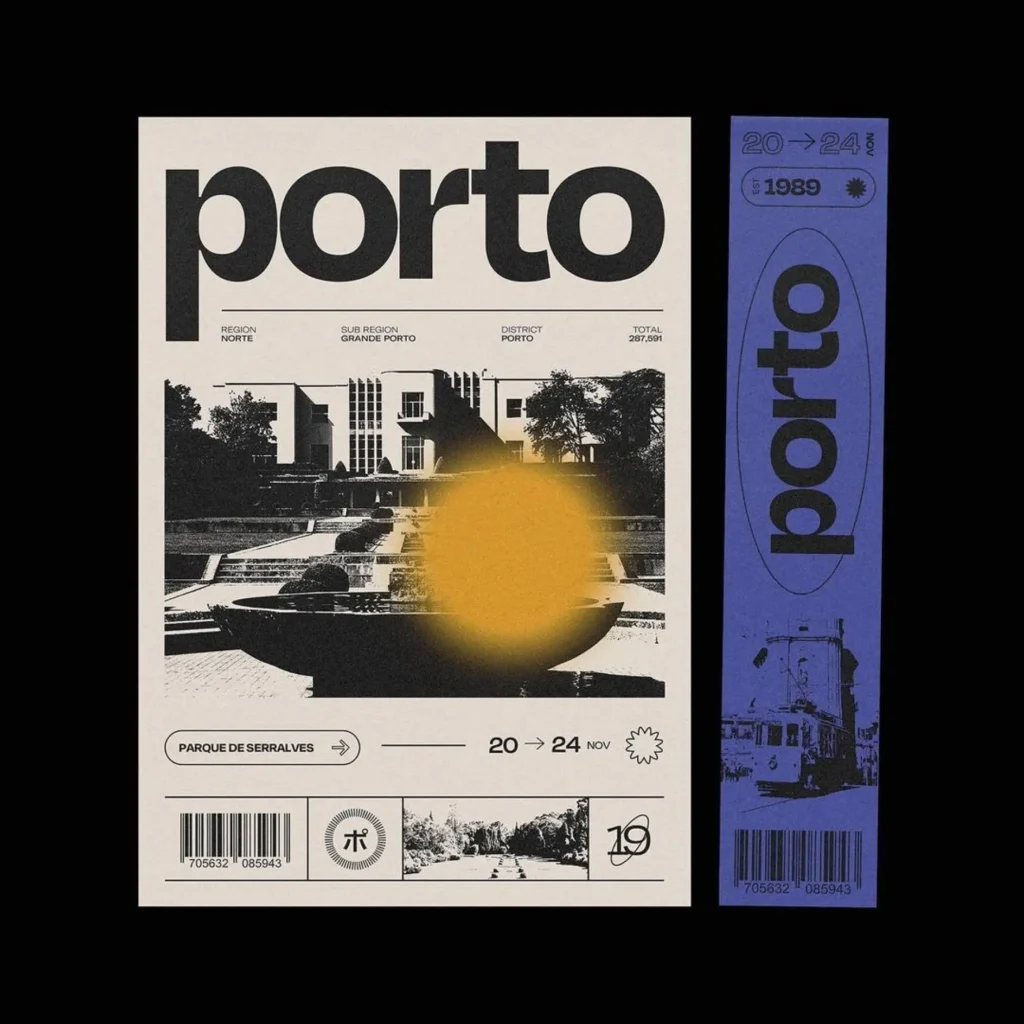
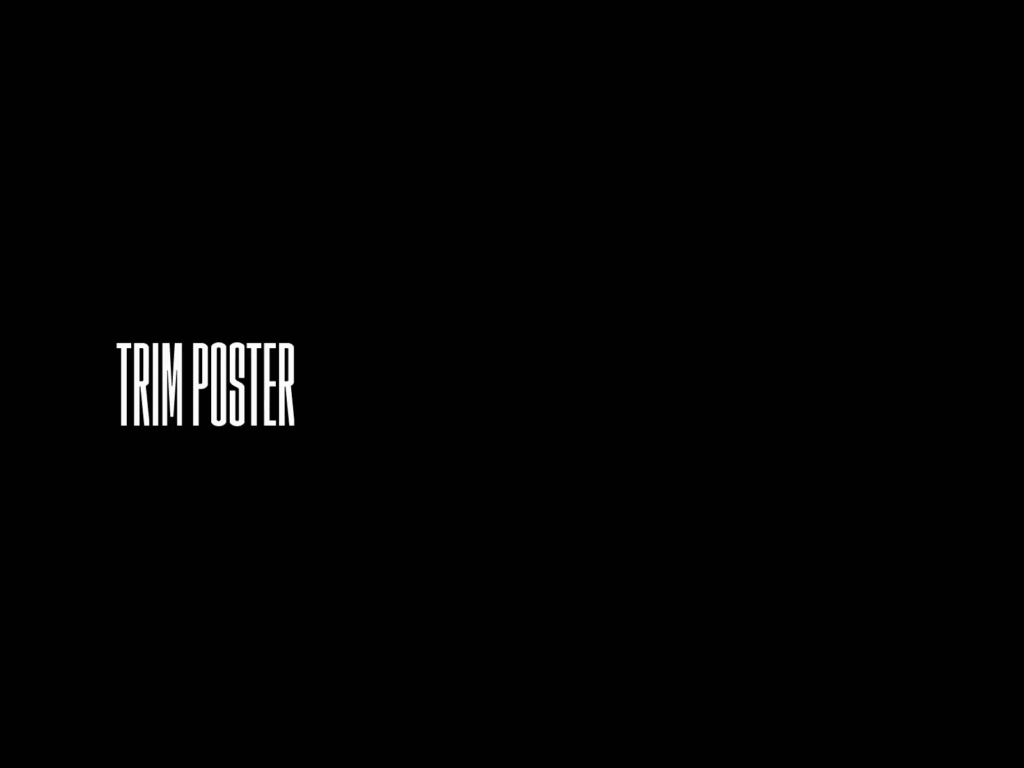
13. Trim Poster
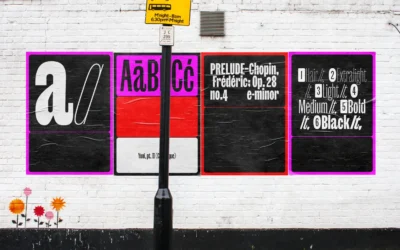
Designed by Letters from Sweden, Trim Poster was built to solve a specific typographic problem that larger-market fonts often ignore: condensed display headlines with diacritics. In Swedish, German, and French typography, tight leading causes accent marks and umlauts to collide visually. Trim Poster addresses this structurally, with stylistic sets for different diacritic treatments across its eight weights. The result is a typeface that is technically purposeful and visually striking a pairing that rarely happens by accident.
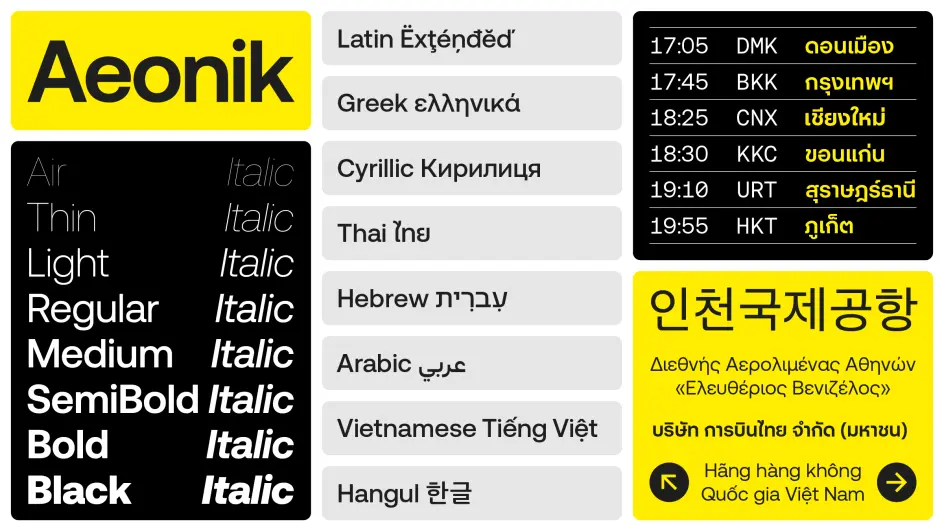
14. Aeonik
Released by CoType Foundry in 2019, Aeonik is a neo-grotesque with a geometric skeleton and strictly perpendicular terminals that give it a precise, almost technical quality. Rounded bowls soften that precision just enough to prevent it from feeling cold. It has built genuine momentum through placements with Revolut, Eurosport, and Virgin Hyperloop, and a 2025 expansion added support for Arabic, Hebrew, Thai, and Hangul across more than 340 languages. For brands operating internationally particularly in contexts where Latin and non-Latin scripts need to coexist within a single identity Aeonik is one of the most capable options currently available.
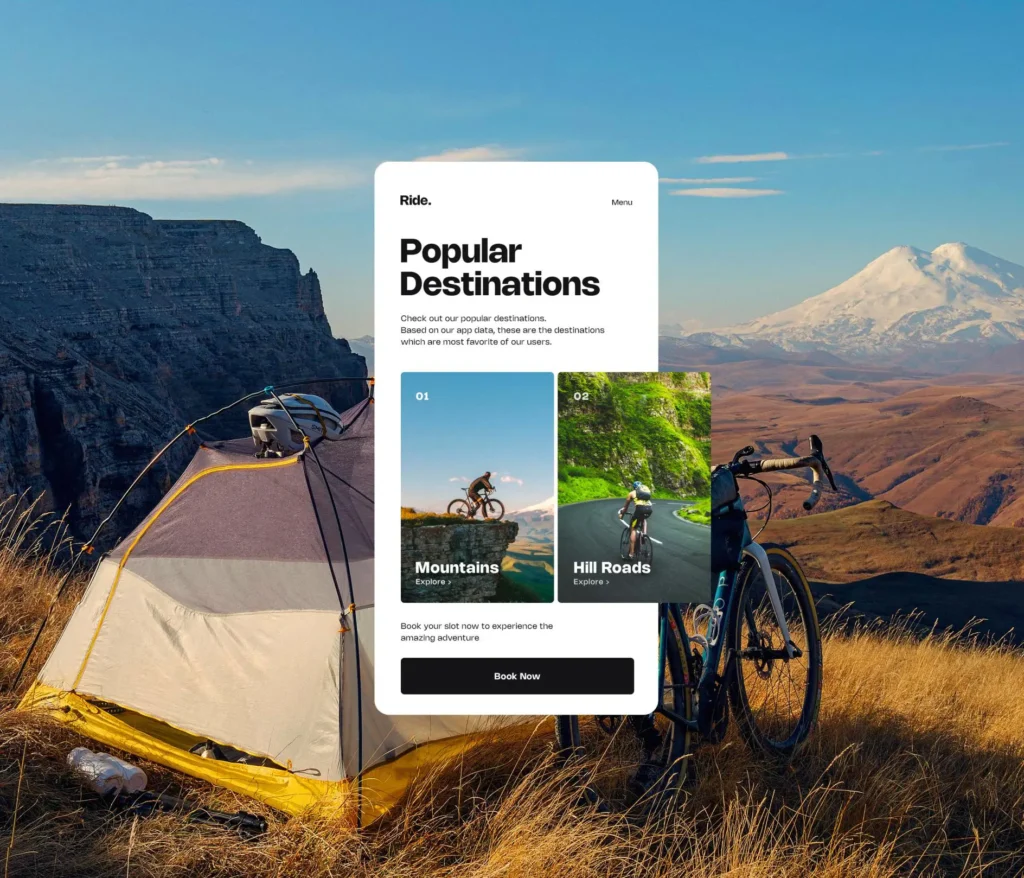
15. Nohemi
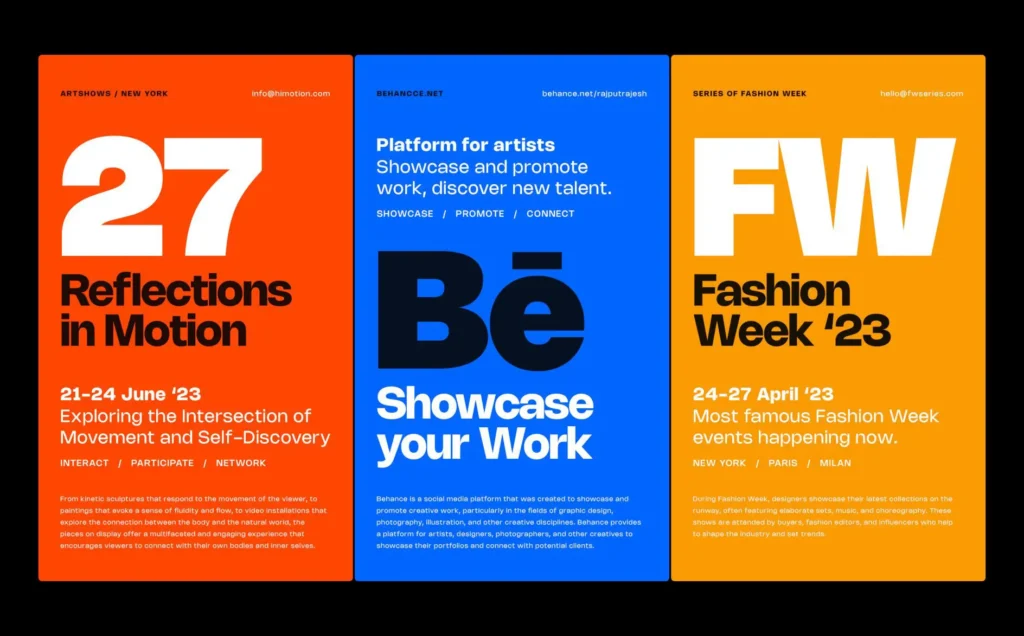
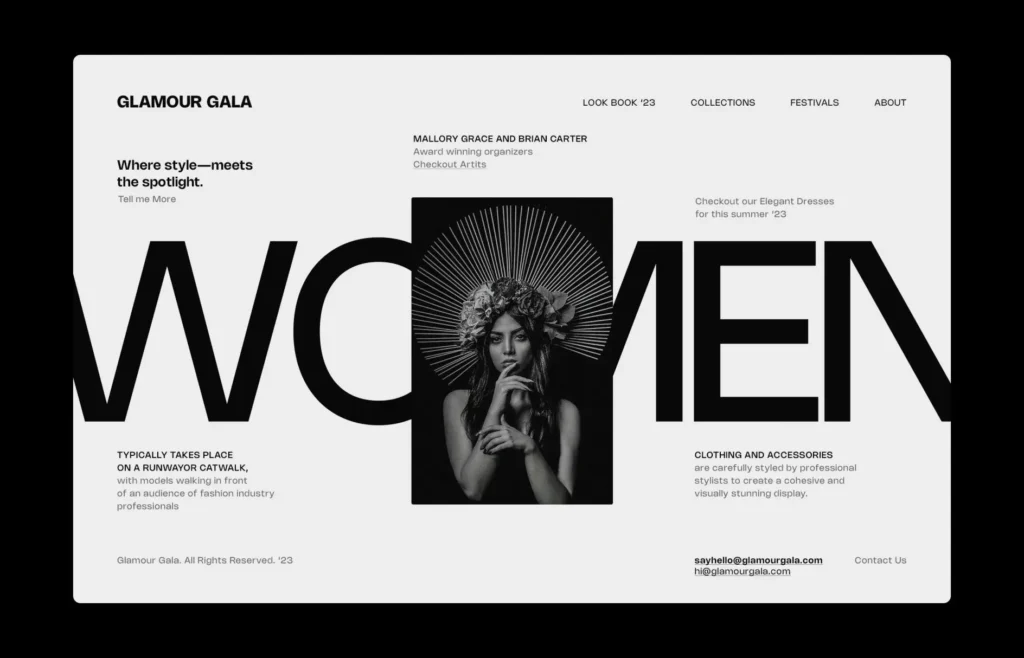
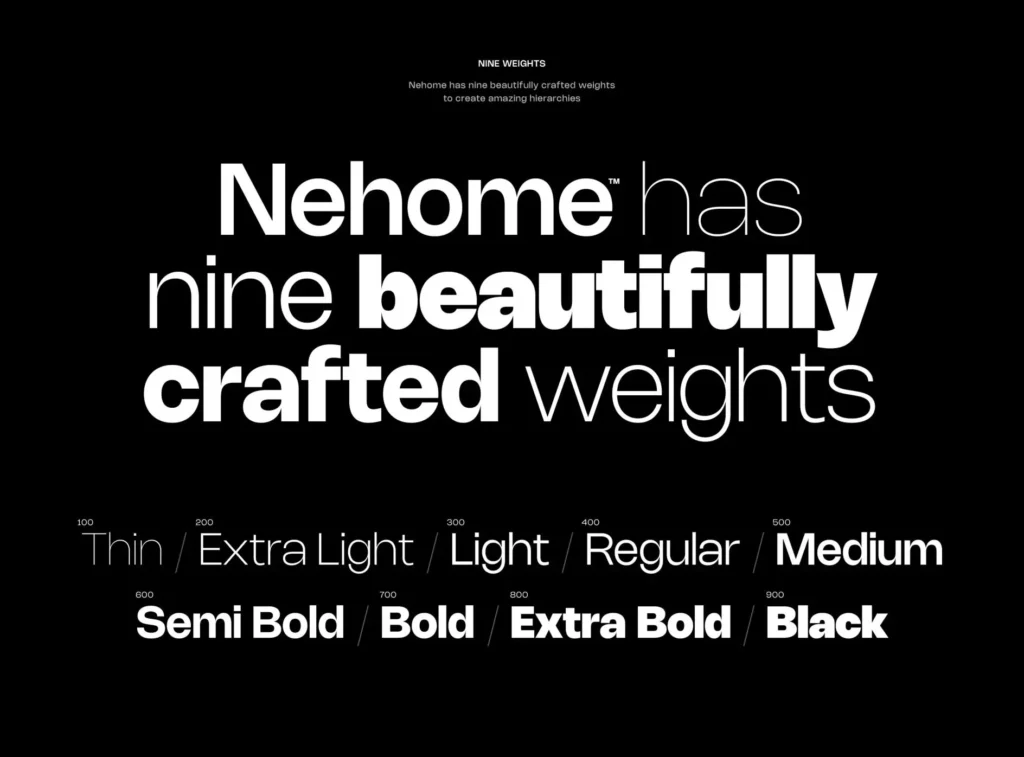
A free variable neo-grotesque designed by Rajesh Rajput, Nohemi has been quietly gaining traction among independent designers and small studios who need clean, modern type without licensing overhead. Its neutral character makes it adaptable across branding, editorial layouts, and product interfaces, and its variable font format gives designers precise control over weight without managing multiple font files. It is not trying to make a statement it is simply trying to work well. In 2026, that turns out to be a statement in itself.
What These Typefaces Tell Us About Branding in 2026
Looking across these 15 choices, a few themes emerge clearly.
Reliability still wins. The top of this list Helvetica, Futura, Inter, Poppins are all typefaces that designers have used for years. Their continued presence reflects a preference for type that solves problems predictably. Brand identity work, in particular, benefits from this: a typeface that has proven its flexibility across contexts carries less risk than an untested newcomer.
Personality is back, but carefully. The lower half of the list Bricolage Grotesque, Druk, Cooper Black, Aeonik reflects a growing appetite for type with texture and character. Brands are increasingly aware that neutral sans-serif choices can make identities feel interchangeable. The right display typeface, used with intention, can become a core component of visual recognition.
Accessibility is no longer optional. The inclusion of Inclusive Sans reflects a genuine shift in how brands think about typography. Designing for readability across cognitive and visual differences is increasingly understood not as a compromise but as a demonstration of brand values. Typefaces built around accessibility research are entering mainstream design consideration.
At Brandlic, we make type decisions as part of a broader visual identity strategy selecting typefaces that communicate brand values, support legibility across touchpoints, and hold up consistently from packaging to digital. If you’re working through those decisions for your own brand, we’re happy to help.
Want to explore how typography fits into your brand identity? Get in touch with the Brandlic team.